
LODWAR, Kenya — In a landmark move for inclusive governance, the Turkana County Assembly has officially amended its Standing Orders to allow refugees to formally petition the local legislature regarding service delivery.
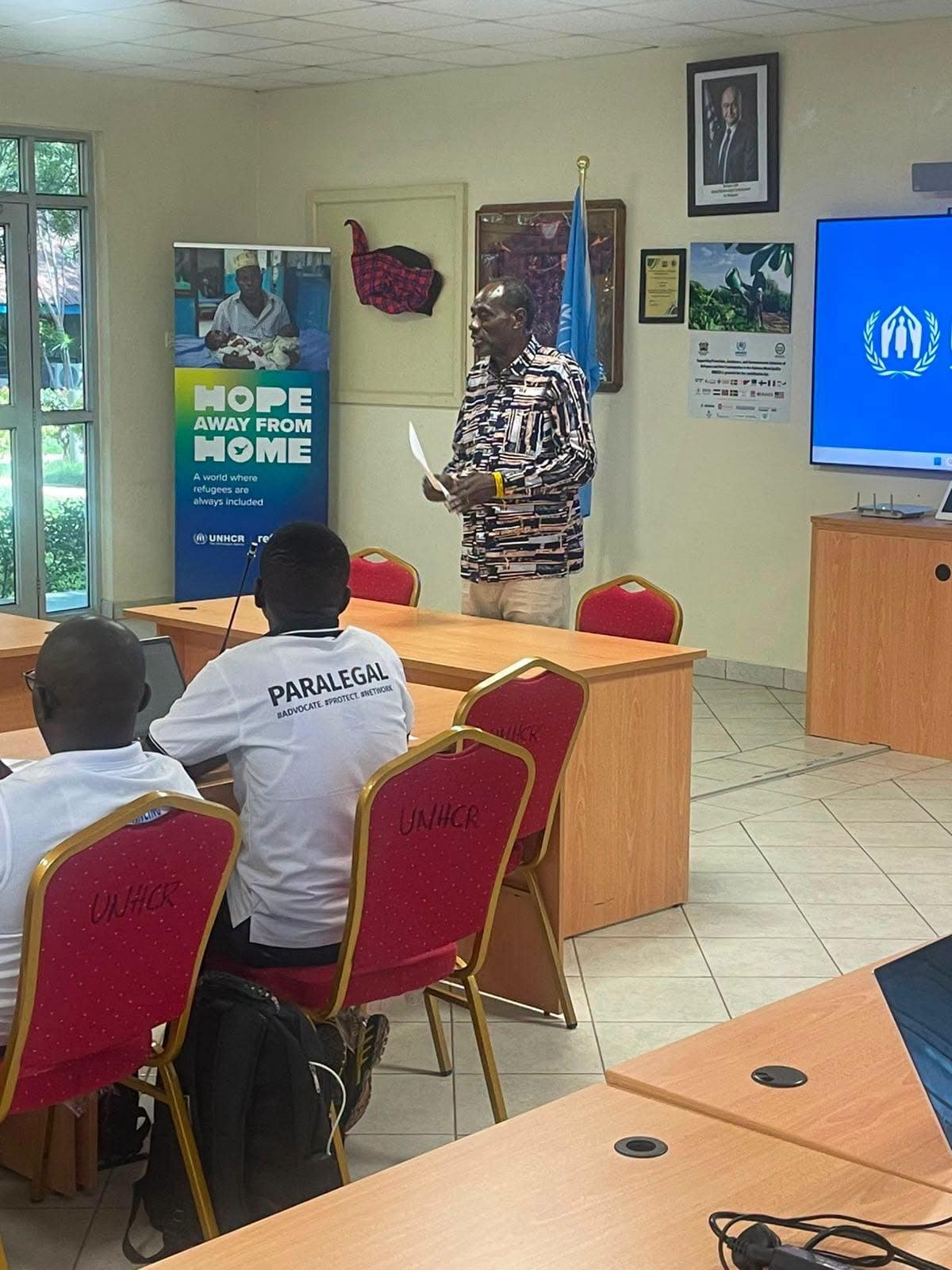
To unpack the implications of these progressive legislative changes, the County Assembly Technical team is currently conducting a three-day public sensitization and training programme.
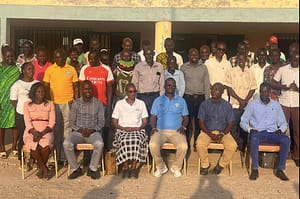
The high-level sessions have drawn a diverse coalition of stakeholders, including development partners, refugee-led organizations, community-based groups, and leaders representing both the refugee and host communities.
Officially opening the forum, Turkana County Assembly Speaker Rt. Hon. Charles Lokioto reaffirmed the institution’s commitment to building a more accessible and responsive government.
He emphasized that public participation remains a fundamental constitutional right and a non-negotiable cornerstone of effective devolution, while extending his gratitude to the United Nations High Commissioner for Refugees (UNHCR) and the Refugee Consortium of Kenya (RCK) for backing the initiative.
LEES OOK:
- Turkana County Launches 9.4-Km Urum-Moruling’a Road Project
- Tucheze Tustawi Project: Integrating Play-Based Care in Turkana & Nairobi
The policy shift has drawn widespread praise from humanitarian and legal advocates who view the integration of displaced populations into local governance as a critical step toward equitable resource distribution.
Mitchel Ambasu of the RCK commended the County Assembly for embracing participatory approaches, noting that incorporating refugees into the formal Standing Orders will directly strengthen frontline service delivery and foster a more just society.
Echoing these sentiments, UNHCR Head of Sub-Office Sateesh Nanduri lauded the Assembly for legally paving the way for refugee petitions and thanked the grassroots organizations in attendance for their active engagement.
Adding to the discourse, UNHCR Senior Protection Officer Janet Pima underscored the necessity of giving both host communities and refugees a seat at the decision-making table.
She noted that their collective voices are essential to ensuring legislative outcomes are meaningful and responsive to the realities on the ground. Describing the three-day programme as a vital educational platform, Pima encouraged participants to use the sessions to deepen their understanding of the constitutional foundations of Kenya’s devolved government, the distinct oversight roles of the County Executive and the Assembly, and the mechanisms through which ordinary residents can demand accountable governance.