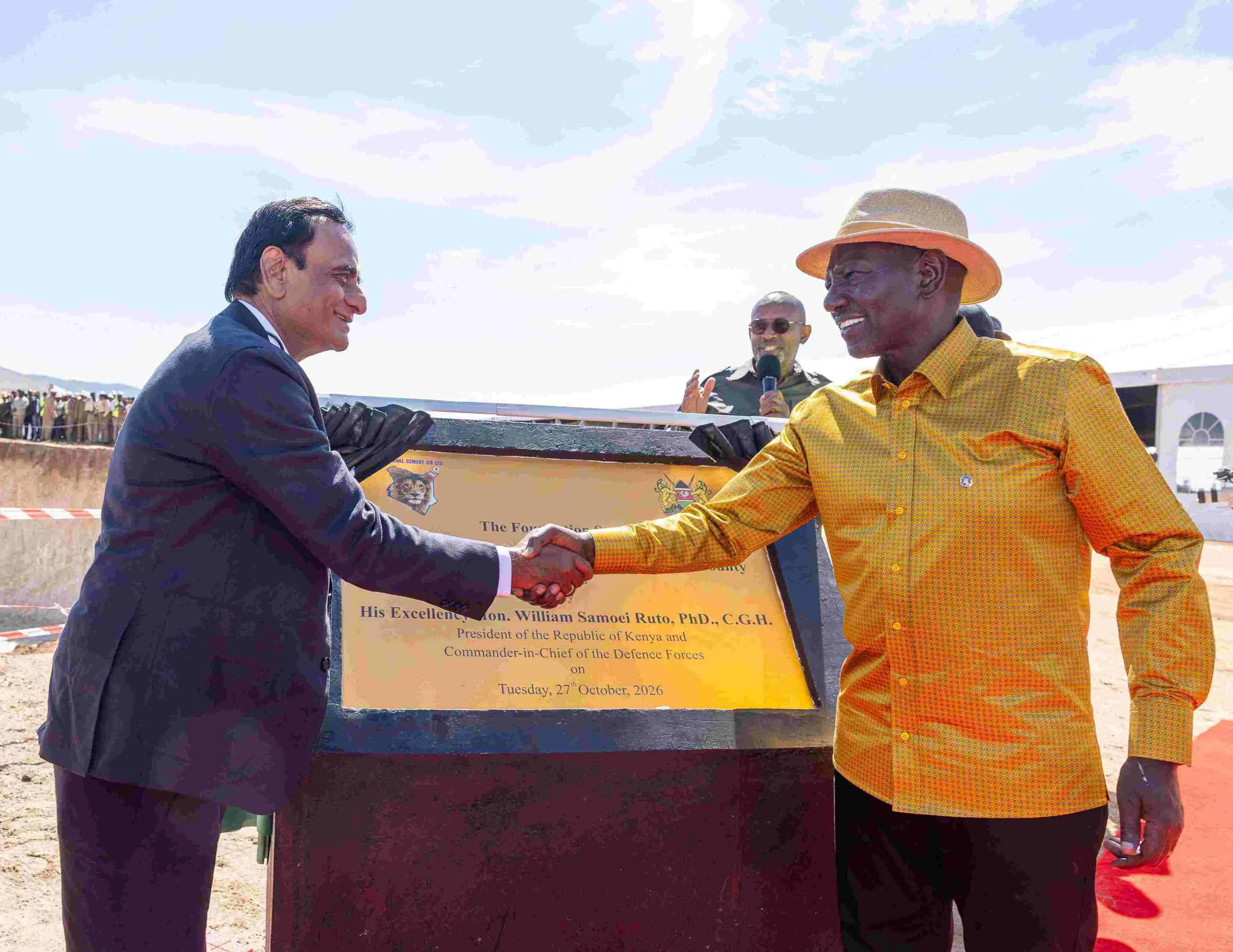
President William Ruto has broken ground for a KSh70 billion clinker and cement manufacturing plant in Ngaaie, Mwingi North, Kitui County, in a project expected to expand Kenya’s domestic cement production and create employment opportunities.
The proposed facility will be Kitui County’s first cement plant, according to the information provided. It is expected to utilise the area’s limestone deposits, turning the locally available mineral resource into an opportunity for industrial development.
Speaking during the groundbreaking ceremony on Tuesday, October 27, 2026, Ruto said local clinker production would reduce reliance on imports, create jobs and strengthen Kenya’s industrial capacity.
“By producing clinker locally, we retain more value within our economy, create skilled jobs, build technical expertise, strengthen our industrial capacity, and create wealth in Kenya,” the President said.
ALSO READ
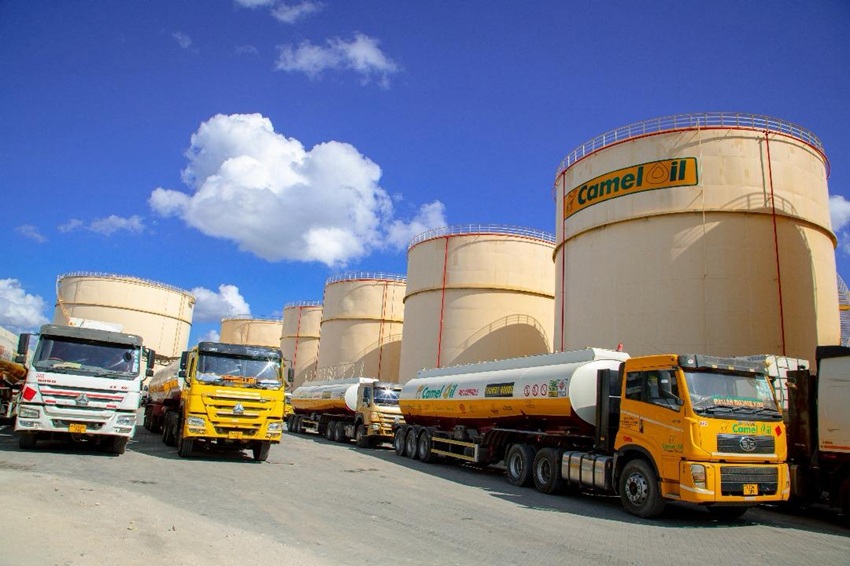
Clinker is a key intermediate material used in cement manufacturing. Producing it locally could help reduce the need for imports and retain more value within the domestic manufacturing sector.
Devki Group Executive Chairman Narendra Raval said the company had considered establishing the plant for about a decade, with the limestone deposits in Ngaaie being a major factor in selecting the location.
“We started dreaming of putting up this plant about 10 years ago. This was tried before by cabro and cement companies to establish a cement plant in Ngaaie because of the deposits we have of limestone in Ngaaie,” Raval said.
He also recalled visiting the area when it had limited road infrastructure and was largely covered by bush.
“I used to come here when it was totally msituni. Nilikuwa natembea na mguu, hata hakuna barabara,” he said.
His remarks highlighted the changes the company hopes the proposed investment will bring to the area through industrial activity and supporting infrastructure.
The KSh70 billion investment is expected to create employment opportunities during construction and operations, while supporting demand for services and businesses linked to cement production.
The plant could also increase the use of locally available limestone and strengthen domestic manufacturing capacity.
For residents of Ngaaie and the wider Mwingi North area, the proposed development represents an opportunity for increased economic activity. However, the scale of employment and the project's implementation timeline will depend on the development and operation of the facility.
The groundbreaking marks the start of the project, with the proposed plant expected to contribute to Kenya’s cement and clinker production once operational.