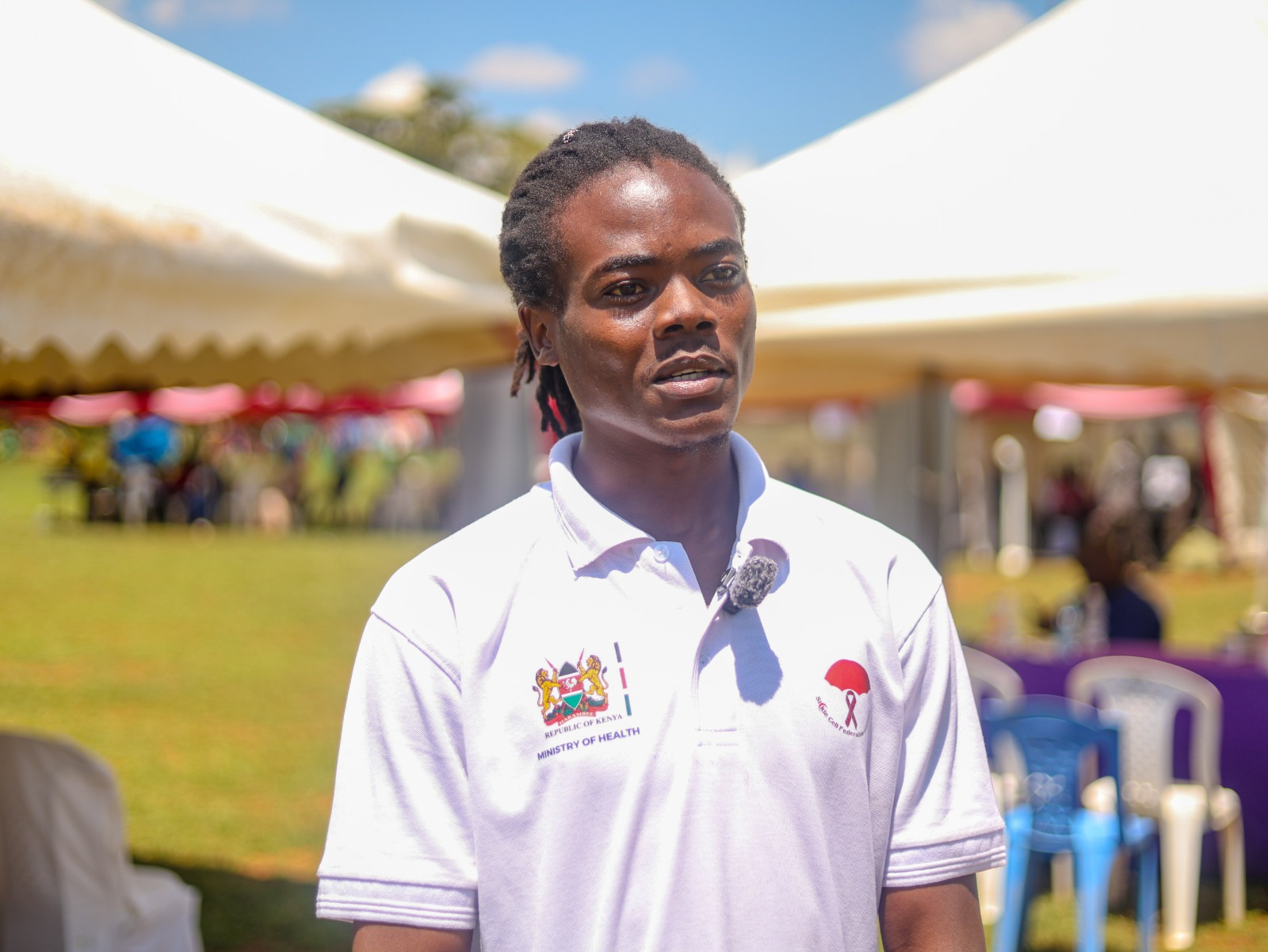
Bungoma County has reported approximately 1,600 sickle cell cases, prompting health experts and patient advocates to call for increased screening, early diagnosis, improved access to essential medicines and greater investment in treatment services.
The campaign comes as health stakeholders push for better integration of non-communicable diseases (NCDs) into county health planning and budgetary allocations.
Sickle cell warriors and caregivers are also calling for improved access to medication and specialised care, including at Level Three health facilities.
Speaking to the press in Bungoma after a meeting involving patients, caregivers and other stakeholders, Absolom Simiyu, chairperson of the Bungoma Non-Communicable Disease Advocacy Chapter, said the organisation was established to raise awareness about NCDs and advocate for the rights of affected patients.
ALSO READ
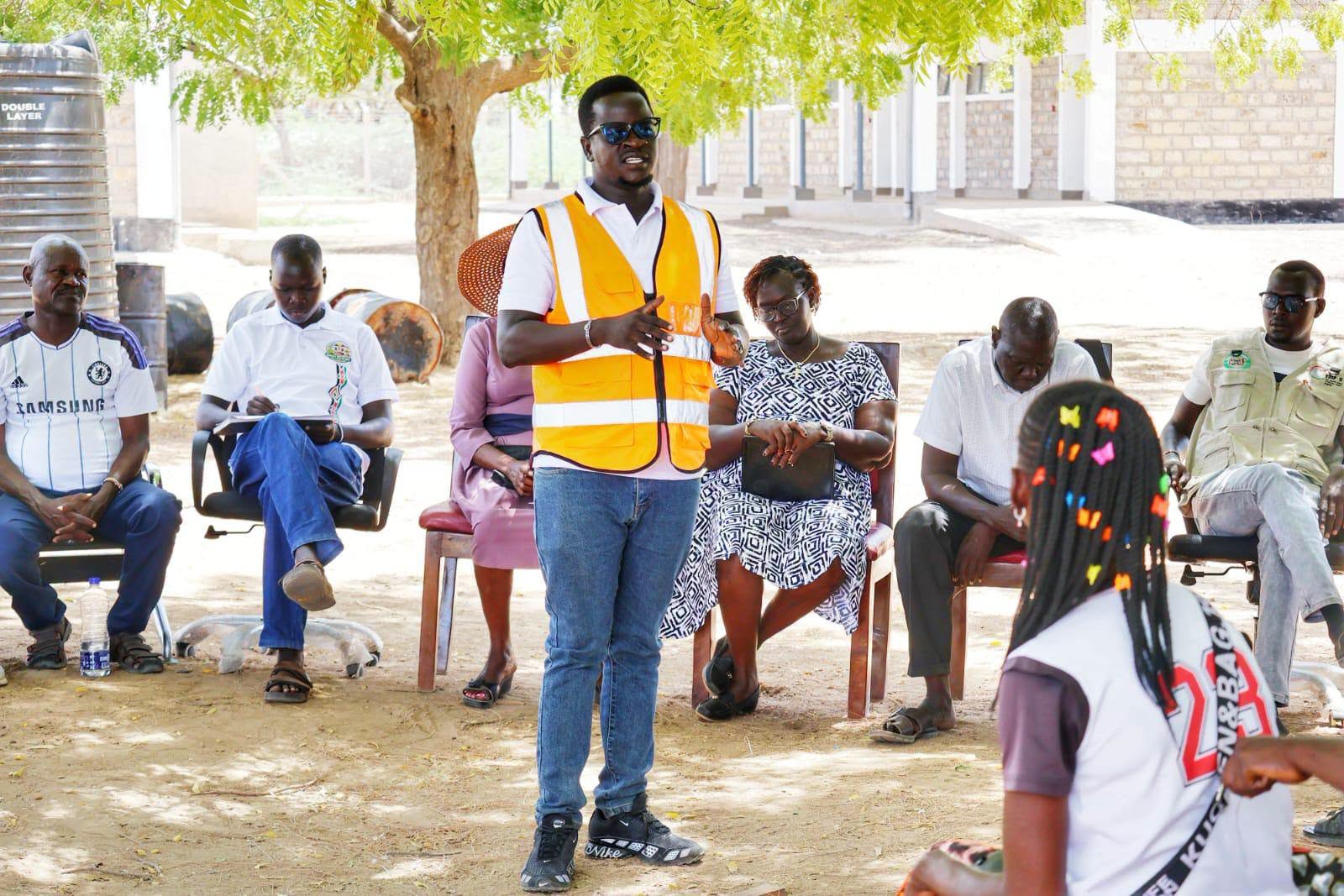
Simiyu said the meeting brought together health experts, members of the county health technical working group and members of the Bungoma County Assembly to discuss challenges facing patients and identify ways to secure adequate resources for prevention and treatment.
“We had a fruitful meeting with stakeholders and discussed how sickle cell warriors can access advanced medication, including at Level three health facilities,” Simiyu said.
He noted that access to appropriate treatment remained a major concern, particularly for patients who require regular medication and specialised care to manage complications associated with sickle cell disease.
Simiyu called for stronger commitment from both the national and county governments, saying gaps in policies, legislation and implementation continued to affect efforts to improve care for people living with NCDs.
He also urged the county health department to prioritise NCDs during the budget-making process, arguing that adequate funding would improve service delivery and ease the burden on patients and their caregivers.
Bungoma County's deputy NCD coordinator, John Werembe, acknowledged that the county continued to record a significant number of sickle cell cases.
Werembe urged couples planning to marry or have children to undergo screening and understand their haemoglobin genotype status.
He said health facilities across the county had been making efforts to expand screening for non-communicable diseases but stressed the need for greater public participation in knowing one's health status and seeking appropriate medical advice.
Understanding both partners' haemoglobin genotypes, alongside professional genetic counselling, can help couples understand the likelihood of having a child with sickle cell disease.
Sickle cell disease is an inherited blood disorder that can occur when a child inherits disease-causing haemoglobin variants from both parents. People living with the condition may experience severe pain episodes, anaemia, infections and other potentially serious complications.
Early diagnosis, appropriate medication and timely emergency care are important in managing the condition and reducing the risk of complications.
Joan Kirong, a member of the Bungoma County Assembly's Health and Sanitation Committee, affirmed the assembly's commitment to supporting efforts to address non-communicable diseases through appropriate resource allocation.
Kirong said sustained investment in the health sector was necessary to improve access to essential medicines, strengthen healthcare infrastructure and ensure patients received timely treatment.
The engagement provided an opportunity for patients, advocacy groups, health experts and policymakers to discuss gaps in care and propose practical measures to improve services.
Stakeholders are calling for continued collaboration between county health officials, the national government and patient organisations to strengthen prevention, screening, treatment and emergency care for people living with sickle cell disease and other non-communicable conditions.