
Residents of Turkana County have called on the national government and Gulf Energy to compensate affected landowners and guarantee greater community benefits before planned oil exploration activities commence, warning that the project should not forward until longstanding grievances are addressed.
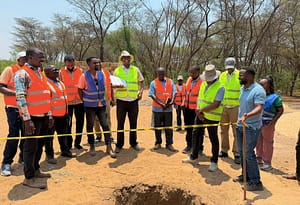
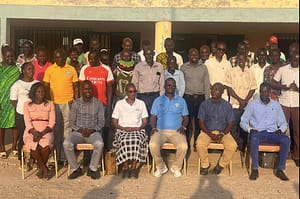
Speaking during a community sensitisation forum, residents said families expected to surrender land for the oil project were still waiting for compensation promised by the government. They argued that land acquisition should only proceed after all affected households receive fair and timely compensation.
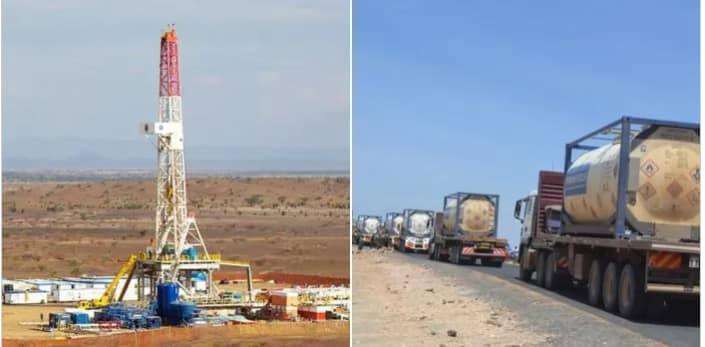
The concerns come as preparations for renewed oil exploration gather momentum in Turkana, home to Kenya’s commercially viable crude oil discoveries.
According to GreenFaith Kenya, the Ministry of Energy issued a Gazette Notice in October last year to facilitate the compulsory acquisition of land required for the project. The organisation noted that the National Land Commission (NLC) is expected to oversee the legal land acquisition process and ensure that all affected landowners receive adequate compensation before the land is used for petroleum production.
GreenFaith Kenya, which has been conducting civic education on climate change, environmental protection and public health, also accused Turkana leaders of failing to adequately safeguard the interests of local communities as the oil project advances.
Residents further demanded a greater share of the benefits expected from oil production, insisting that communities living in the resource-rich region deserve a fair return from the exploitation of their natural resources.
“The oil belongs to both us and the government. We must continue demanding what we lack so that we can be provided with it. We are also still waiting for the five per cent we have been asking for because it will help our people,” one resident said.
The renewed calls come as the Kenyan government intensifies efforts to revive the country’s petroleum sector. In recent weeks, senior government officials held discussions with India on strengthening cooperation in oil exploration, drilling technology and investment to unlock Turkana’s oil potential.
The talks also focused on expanding partnerships in liquefied petroleum gas (LPG) infrastructure and supply as Kenya seeks to attract additional investment into its upstream petroleum industry.
Meanwhile, the government has proposed stricter financial regulations for future petroleum projects under the Draft Petroleum (Upstream Petroleum Cost Management) Regulations, 2026. The proposed rules would require oil and gas developers to maintain a maximum debt-to-equity ration of 70:30, limiting excessive borrowing and promoting financially sustainable investments.
Companies that fail to comply with the proposed regulations could face penalties of up to KSh20 million.
Turkana remains central to Kenya’s ambitions of becoming an oil-producing nation. Despite the discovery of commercially viable oil reserves several years ago, efforts to commercialise production have repeatedly stalled due to financing challenges, infrastructure gaps and unresolved community concerns over compensation and benefit-sharing.