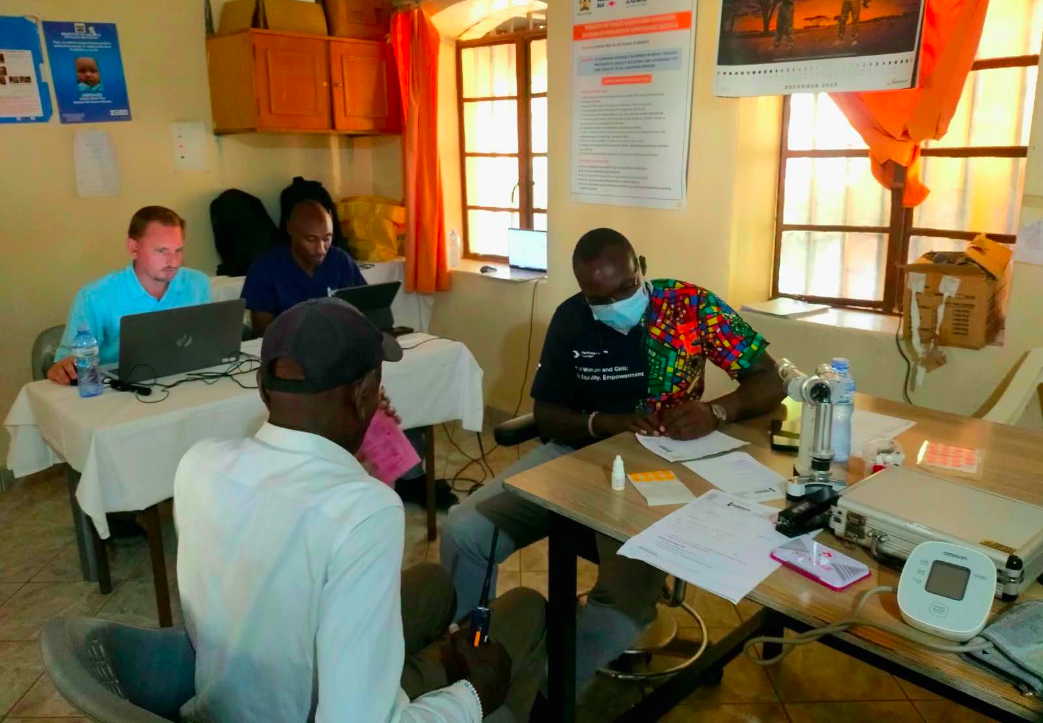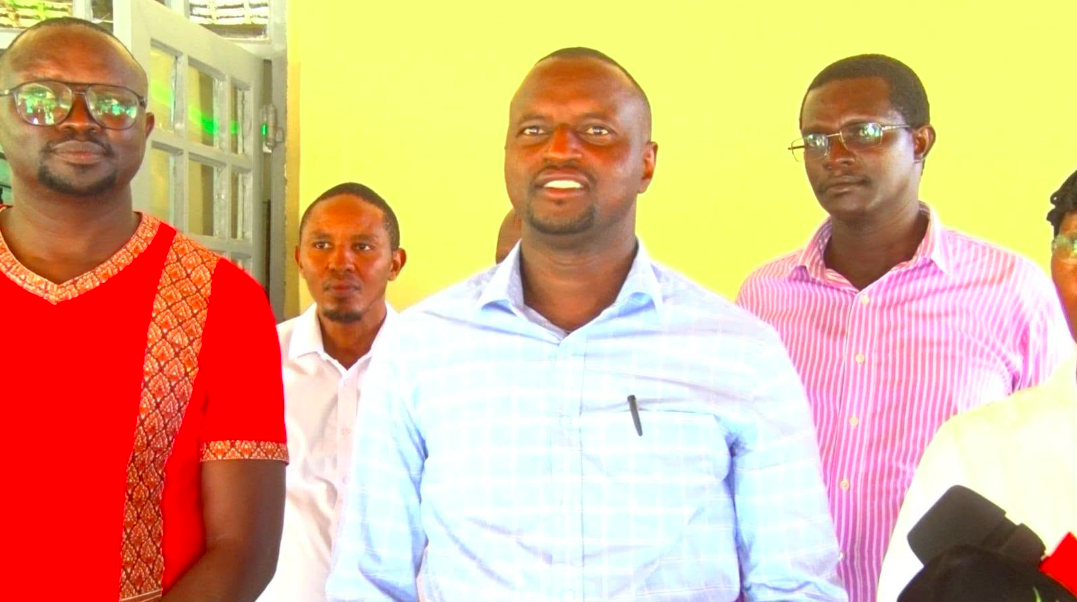
Turkana County is stepping up efforts to combat malaria as changing climate patterns, flooding and population movements contribute to a growing disease burden across the region.
The County Government, in partnership with the National Malaria Control Programme (NMCP), held a high-level stakeholder forum in Lodwar on September 30, 2026, ahead of the launch of Kenya’s National Seasonal Malaria Chemoprevention (SMC) Guidelines.
The meeting brought together national and county health officials, researchers and development partners to review Turkana’s malaria experience and strengthen preparedness for periods of increased transmission.
Health officials said malaria is increasingly presenting as an endemic public health challenge in Turkana rather than a disease concentrated only around seasonal rainfall.
Among the factors identified as influencing the changing malaria situation were climate variability, flooding, population movements, irrigation and refugee influxes.
Representing the Office of the Principal Secretary in the State Department for Public Health, Dr Joseph Kamario Lenai said evidence generated through Turkana’s SMC pilot had helped inform development of the national guidelines.
“We are moving from policy to implementation. Our malaria response must be increasingly data-driven, geographically targeted, seasonally informed and community-centred,” Dr Lenai said.
He stressed that SMC would complement existing malaria interventions, including insecticide-treated mosquito nets, vector control, surveillance, diagnosis and treatment.
Turkana reports higher malaria incidence
Turkana County Executive Committee Member for Health and Sanitation Services, Dr Epem Esekon, said research continues to show the scale and changing nature of malaria in the county.
According to Dr Esekon, Turkana is recording an average malaria incidence of 484 cases per 1,000 people, compared with a national average of about 170 cases per 1,000.
He said the figures demonstrate the need for interventions based on evidence generated within the county.
“Research gives us ways to come up with interventions best suited to eliminate and prevent malaria, and that is why we welcome research, especially on health,” Dr Esekon said.
The figures were presented during the stakeholder meeting and should be interpreted in the context of the surveillance and population data used by the county health authorities.
Turkana pilot informs national SMC programme
Turkana became the first county to pilot Seasonal Malaria Chemoprevention in Kenya in 2024, according to Daniel Esimit, Director of Preventive and Promotive Health Services.
Esimit said evidence from the pilot showed a 71% reduction in malaria transmission among the target population during the implementation round.
“We are proud to influence the national strategy in malaria control,” he said, adding that the national guidelines would allow SMC to be extended to other counties with similar climatic conditions.
The SMC approach involves providing eligible children with antimalarial medicines at specified times during periods when the risk of malaria transmission is high.
Health officials emphasised that the intervention is not intended to replace other malaria-control measures.
Research and hard-to-reach communities
Researchers from Moi University and Duke University have been conducting malaria studies in Turkana since 2017.
Prof Diana Menya said the research had generated evidence on malaria prevalence and the need to adapt interventions to the lifestyles, movements and livelihoods of communities in different parts of the county.
This is particularly important in Turkana, where some populations are mobile and many communities live far from conventional health facilities.
Participants also cited the Kimormor One Health approach as a potential model for reaching mobile and hard-to-reach populations and informing malaria programming in Turkana and other counties with similar characteristics.
The Catholic Relief Services-supported SMC pilot was also recognised for providing implementation experience that contributed to the development of the national guidelines.
CRS Health Sector Lead Dr Edwin Mbugua said emerging research had demonstrated the need for greater investment in malaria elimination.
Turkana develops malaria implementation roadmap
Stakeholders at the Lodwar forum also developed the Turkana Malaria Implementation Roadmap, a planning tool intended to guide the county's malaria response.
The roadmap will identify malaria hotspots, populations considered most at risk, major transmission drivers and priority interventions.
It will also provide a framework for resource mobilisation, deployment of interventions, monitoring indicators and corrective action where progress falls short of expectations.
County Chief Officer for Medical Services Dr Gilchrist Lokoel said partnerships with organisations working in the health sector would remain important in addressing the county's malaria burden.
“Partnerships should be perceived as a means to eliminating malaria in Turkana,” Dr Lokoel said.
The forum was attended by representatives from UNHCR, Amref Health Africa, Kenya Red Cross, International Rescue Committee, Catholic Relief Services, Moi/Duke University and the Malaria Kenya Coordination Mechanism, among other partners.
As Kenya moves towards implementation of the national SMC guidelines, Turkana's experience is expected to provide lessons on delivering malaria interventions to communities living in areas affected by mobility, difficult terrain and changing transmission patterns.