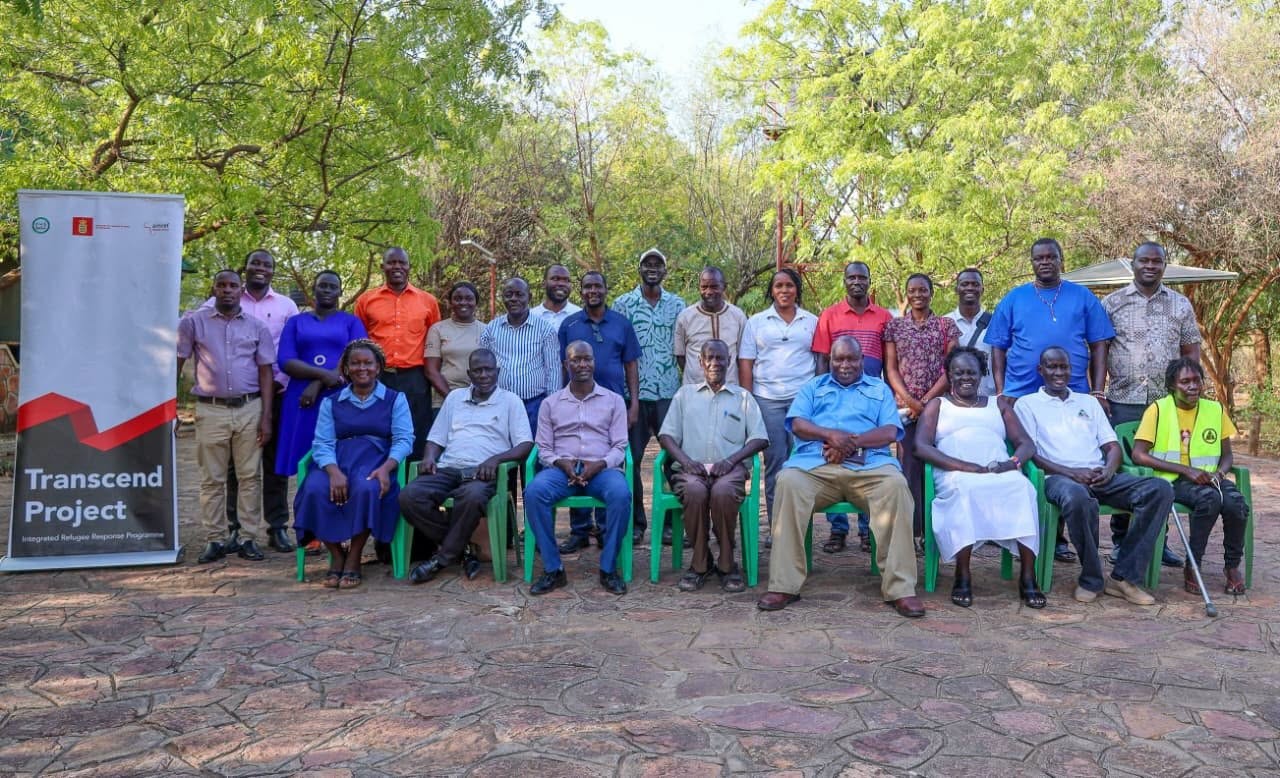
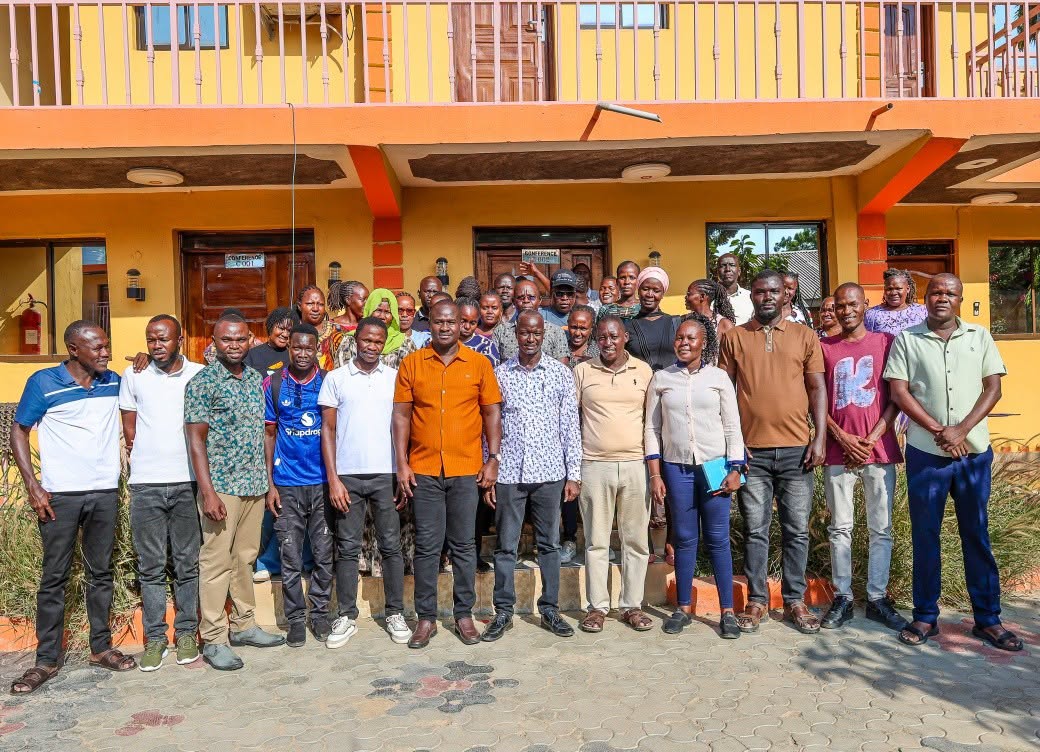
The second phase of the Social Health Authority (SHA) enrolment drive in Lokichoggio, Turkana West, has concluded with renewed calls for stronger stakeholder coordination to address registration barriers and reach underserved pastoralist communities.
The engagement brought together county officials, national government administrators, health workers and development partners to discuss ways of improving SHA registration and access to healthcare, particularly among residents who face challenges obtaining the documents required for enrolment.
Speaking during the session, Agnes Mana, Chief Officer for Preventive and Promotive Health Services, called for stronger collaboration among stakeholders, particularly agencies responsible for civil registration, to help residents acquire the necessary documentation for SHA enrolment.
She said community awareness, mobilisation and sensitisation were critical to ensuring that residents were not left behind, noting that SHA registration was necessary for seamless access to healthcare services.
ALSO READ
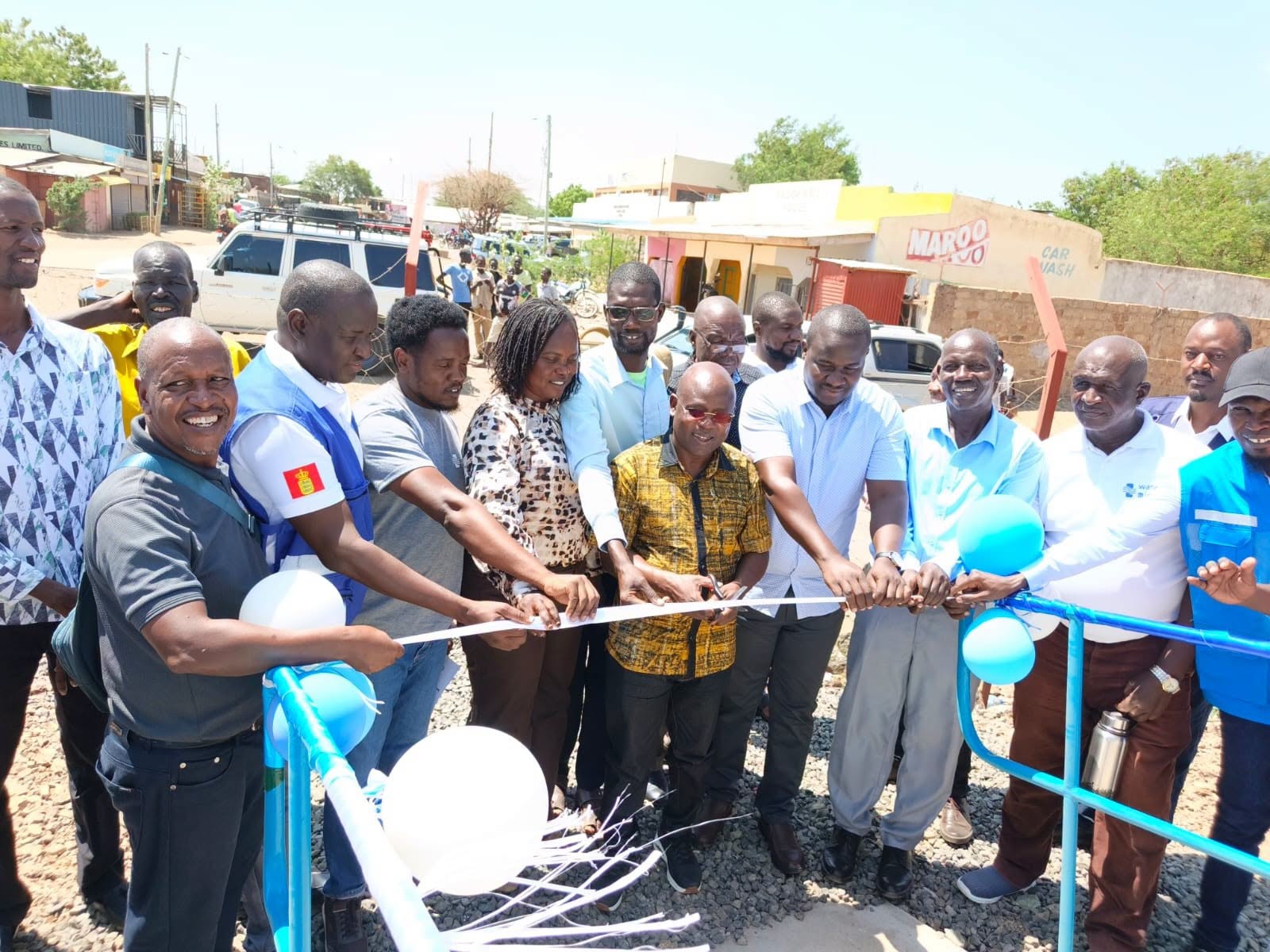

Chief Officer Mana commended local leadership for supporting the initiative, citing approximately KSh 4 million allocated by the Office of the Lokichoggio Member of the County Assembly (MCA) to support indigent residents in accessing SHA services.
Pastoral mobility presents enrolment challenge
Lokichoggio Deputy County Commissioner Paul Kemei identified pastoral mobility as a major obstacle to registration, revealing that more than 50,000 pastoralists from the region move away in search of pasture.
He said the anticipated return of pastoralist families with the rains, alongside scheduled Huduma Mashinani initiatives, would provide an important opportunity to reach more residents and increase enrolment.
Leading the discussions, Sylvesters Eoko, the Primary Healthcare Coordinator, linked the initiative to the county's development agenda on universal healthcare, emphasising the importance of equitable access to quality health services without financial hardship.
Officials highlight use of facility-generated revenue
On the utilisation of health facility funds, James Lobokan, Director of Policy, Planning, Research, Monitoring and Evaluation, highlighted the Facility Improvement Financing Act, 2023, which provides a framework for managing and utilising revenue generated by public health facilities to strengthen service delivery.
Daniel Lokiriama, Turkana South Medical Officer of Health, cited Lokichar Sub-County, where more than KSh 850,000 in facility-generated revenue had supported the acquisition of medical equipment.
He said such resources could also help finance interventions targeting indigent populations.
Ameyan Peter, Medical Superintendent at Lopiding Dispensary, said revenue generated by the facility had supplemented the salaries of casual staff and supported its digital transformation through the acquisition of computers and network equipment.
He said the investments had improved referrals and continuity of healthcare services.
Lokichoggio Sub-County Public Health Nurse Tilda Adiir said health facilities were adopting integrated approaches to SHA enrolment while exploring ways to address challenges associated with missing registration documents and improve access to registration services.
Amref backs community-led health initiatives
Representing Amref Health Africa, Dennis Erot, Community Health Services Lead for the Danida Transcend Project, reaffirmed the organisation's commitment to improving access to and utilisation of quality healthcare services while strengthening health systems.
He said the project's interventions were adaptive, government-led and community-driven, with a focus on capacity building and stakeholder engagement for sensitisation, knowledge-sharing and learning.
The engagement concluded with commitments to intensify community awareness through social media platforms, outreach activities and advocacy.
The planned interventions are expected to strengthen enrolment efforts among mobile and underserved populations and support Turkana County's broader goal of expanding access to quality healthcare.