
Somalia’s Supreme Court has declared the removal of Chief Justice Baashe Yusuf Ahmed null and void, ruling that the decision was unconstitutional and an attempt to interfere with a constitutional case pending before the court.
In a statement issued on Thursday, the Supreme Court said the announcement of the Chief Justice’s removal, which was published on the Presidency’s Facebook page, had no legal basis. It further argued that the move was intended to prevent the court from determining a constitutional petition filed by former President Sheikh Sharif Sheikh Ahmed.
The petition challenges the constitutionality of amendments to Somalia’s Constitution and questions the terms of office of President Hassan Sheikh Mohamud, the Federal Government and both chambers of the Federal Parliament, arguing that their mandates have expired.
ALSO READ
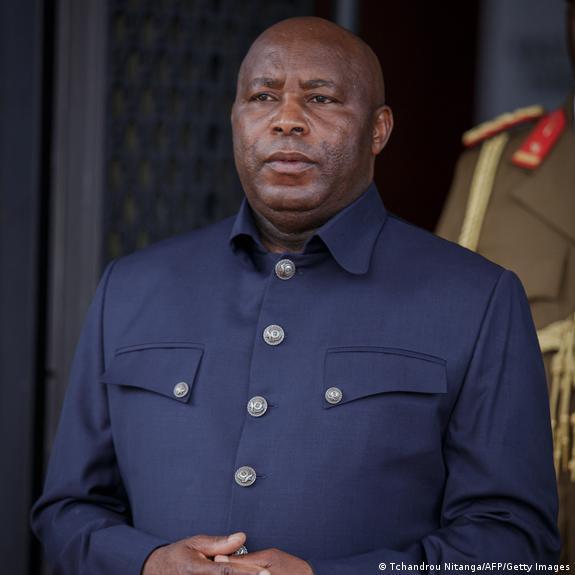
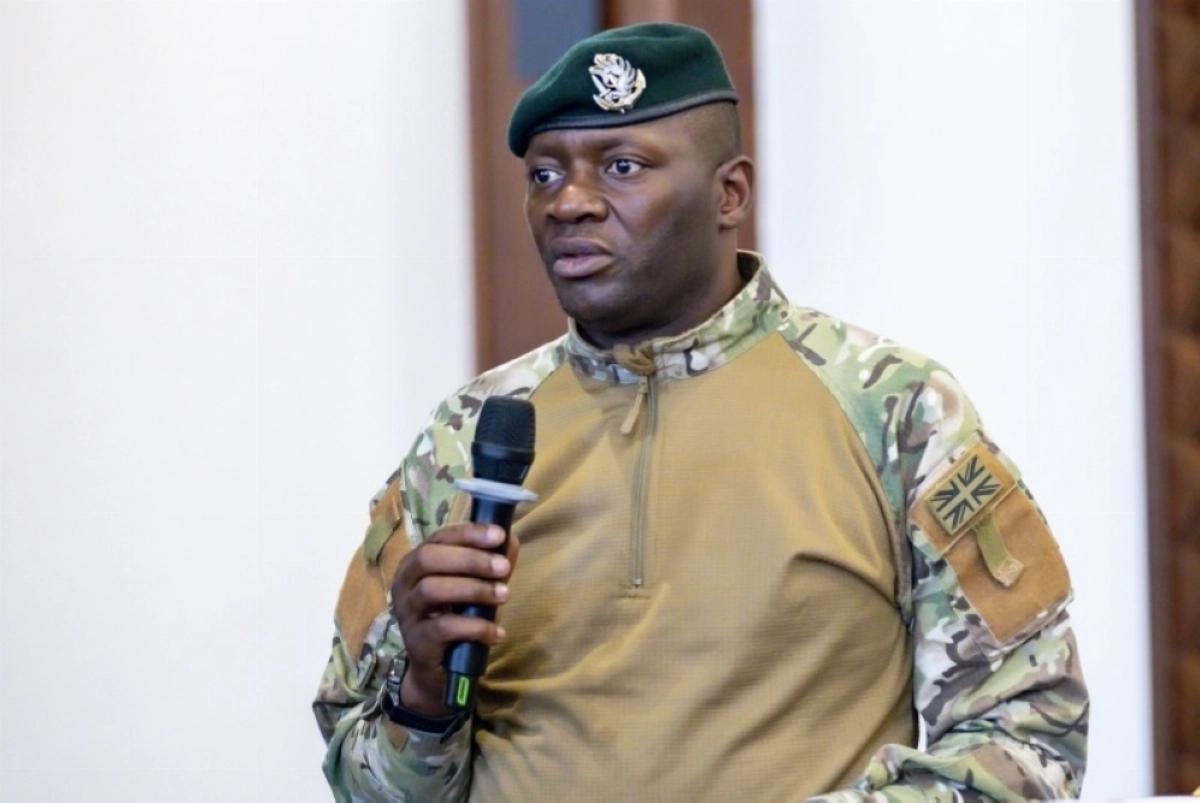

The Supreme Court maintained that the President lacked the constitutional authority to dismiss the Chief Justice, noting that the Constitution provides specific procedures for appointing and removing the head of the judiciary.
“The dismissal announced in the statement published on the Presidency's Facebook page is null and void,” the Supreme Court said in its ruling.
The court cited Article 135 of the 2026 Constitution, which requires the appointment of the Chief Justice to be proposed by the Supreme Judicial Council, approved by a majority of members of both chambers of Parliament and formalised through a presidential decree.
It also referred to Article 138(4), which stipulates that the removal of the Chief Justice must be proposed by the Supreme Judicial Council and approved by a two-thirds majority at a joint sitting of the Federal Parliament.
According to the court, the President’s decision violated constitutional safeguards designed to protect the separation of powers, judicial independence and the rule of law.
The Supreme Court also dismissed claims that judges had raised complaints against the Chief Justice, maintaining that his leadership had focused on improving the administration of justice, promoting transparency and fighting corruption.
In defending Baashe Yusuf’s record, the court cited his professionalism, integrity and commitment to upholding the rule of law.
In its final directives, the Supreme Court called on the President to respect the Constitution, protect judicial independence and uphold the rule of law.
“The court calls upon the President to respect the Constitution, safeguard the independence of the judiciary and uphold the rule of law,” the statement said.