Women affected by female genital fistula are receiving free surgical treatment at Marafa Sub-County Hospital in Kilifi County as health partners step up efforts to prevent and treat the condition.
The surgical camp, organised by the M-Pesa Foundation in partnership with the County First Ladies Association (CFLA), the County Government of Kilifi, the Flying Doctors’ Society of Africa (FDSA) and Amref Health Africa, began on October 2 and is expected to run until October 9.
The initiative is giving women an opportunity to access treatment while addressing the stigma and social isolation often associated with fistula.
First Ladies Visit Fistula Treatment Camp
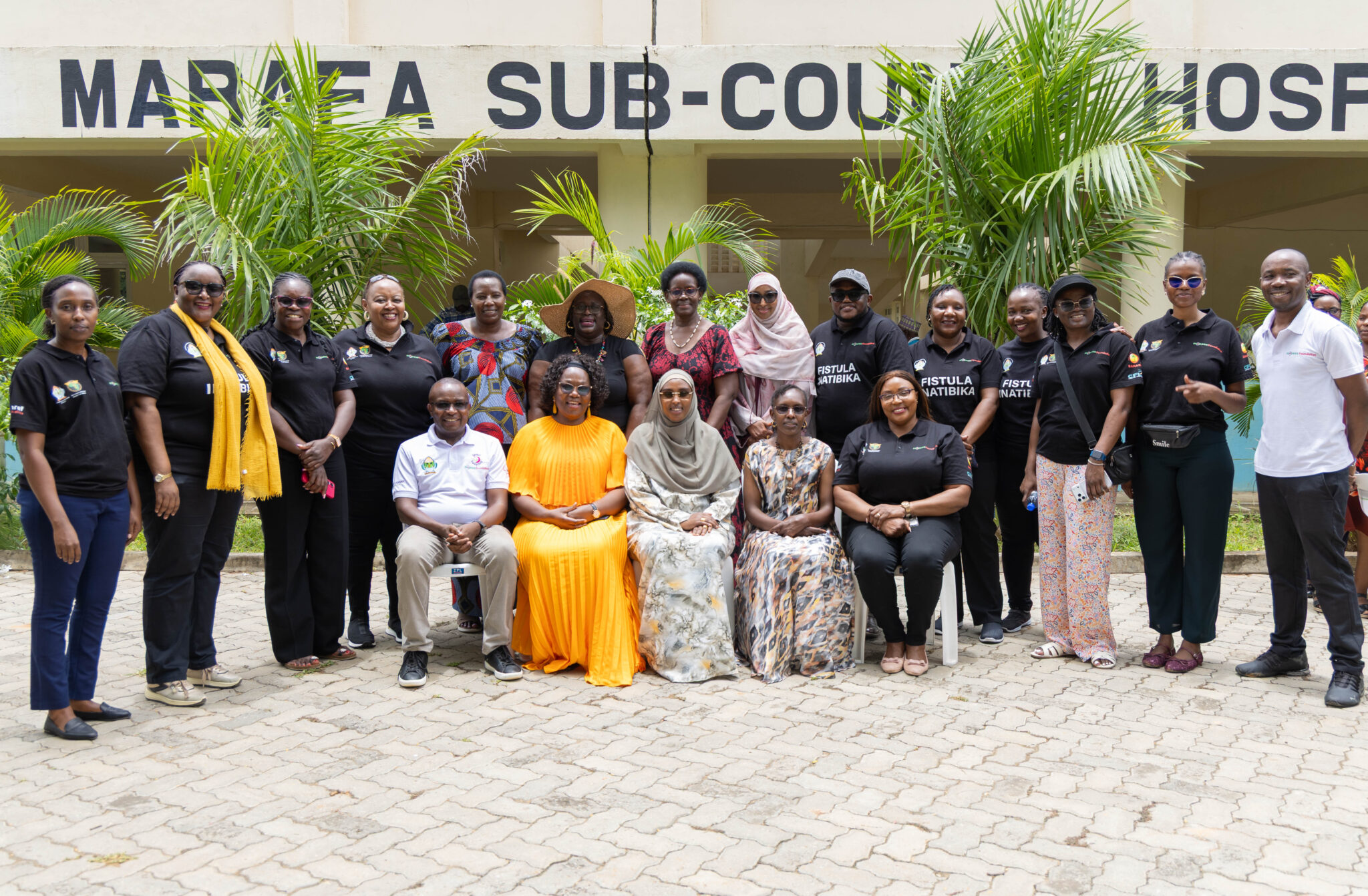
County First Ladies visited the camp on October 7, where they met women undergoing treatment, interacted with health workers and observed the work being carried out to support women affected by fistula.
First Lady of Marsabit County and CFLA Chairperson Alamitu Guyo Jattani said fistula required sustained attention beyond individual surgical camps.
“Fistula is a condition affecting many women in Kenya and needs to be taken care of every day, not just when a camp takes place,” Jattani said.
She said the condition was also a concern in Northern Kenya, where she linked some cases to the prevalence of female genital mutilation (FGM), adding that stigma and shame could lead women to hide the condition.
She called for wider efforts to ensure women across the country can access prevention, treatment and support services.
More Than 100 Women Screened in Kilifi
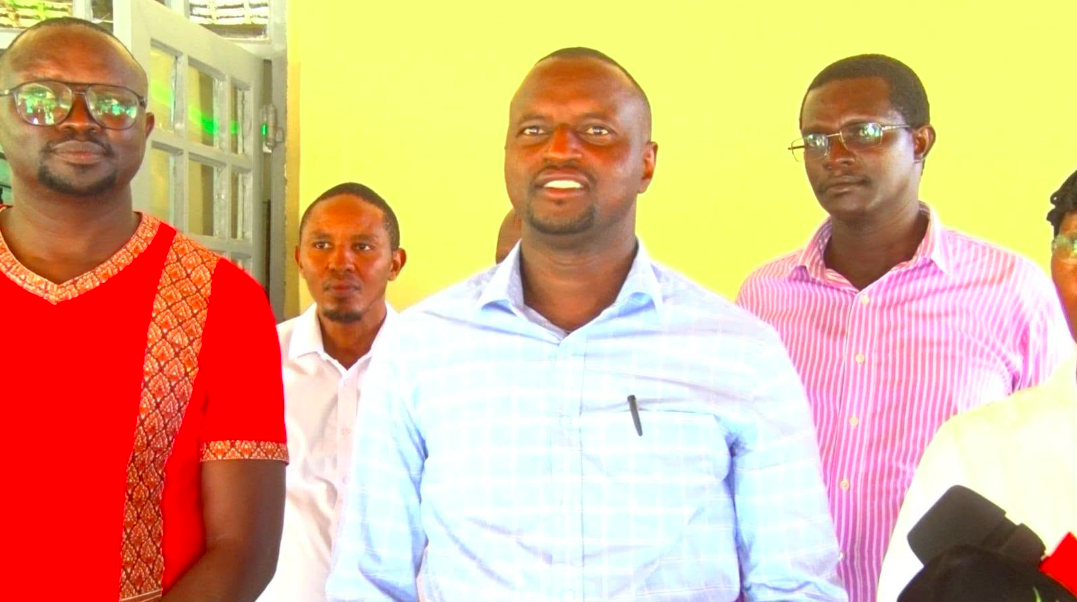
Dr Henry Kilonzo, Senior Manager of Foundations Programmes at the M-Pesa Foundation, said the organisation had committed to supporting thousands of fistula surgeries across Kenya.
He said the trustees of the M-Pesa Foundation committed in 2025 to supporting 2,200 surgeries across all 47 counties by 2028.
The Kilifi outreach forms part of that commitment.
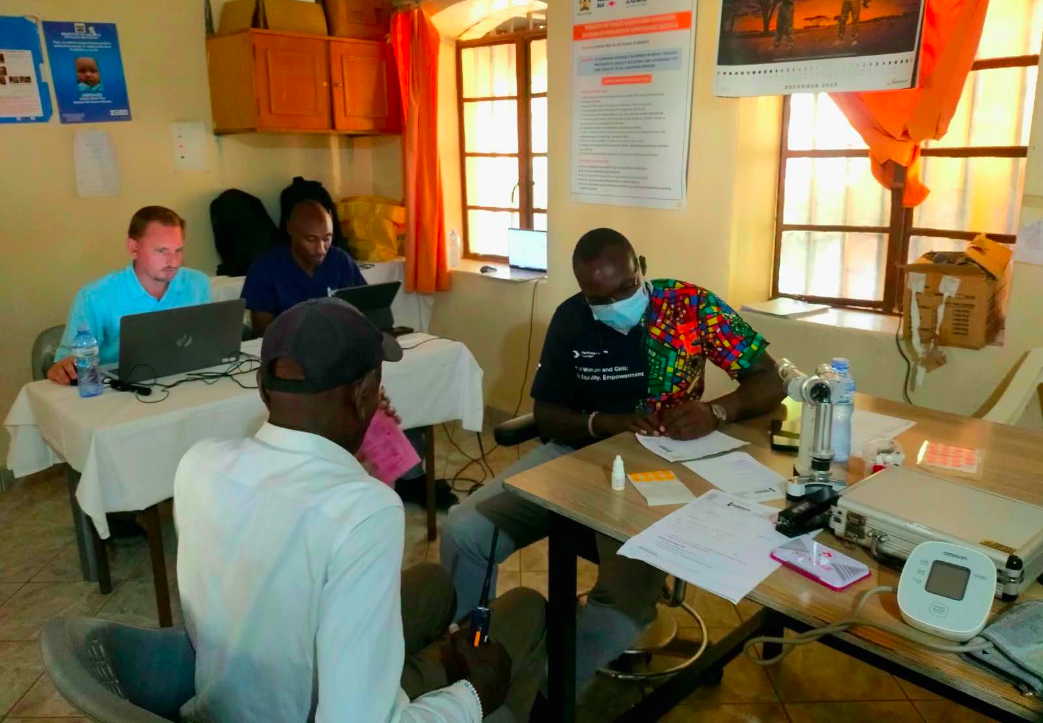
According to Kilonzo, more than 100 women had been screened in the community, with 29 admitted and 12 surgeries successfully conducted at the time of the visit.
He said the foundation had been supporting fistula interventions for more than a decade and had seen the impact treatment could have on women affected by the condition.
Kilonzo also called on more private-sector organisations to join efforts to prevent and treat fistula.
Partners Seek Long-Term Fistula Care
The Kilifi outreach is also being used to strengthen the connection between emergency or outreach treatment and routine healthcare services.
Earlier in the week, partners held a strategic leadership engagement and surgical outreach in Kilifi, bringing together county leaders, health workers and development partners.
The discussions focused on strengthening the response to fistula beyond the current surgical camp.
The aim is to ensure women can access prevention, treatment and follow-up services through routine healthcare systems.
Fistula Can Cause Long-Term Health and Social Challenges
Female genital fistula is a serious condition that can develop following prolonged or obstructed labour.
It can leave women with continuous leakage of urine or stool, with significant consequences for their health and quality of life.
The source estimates that one to two women develop fistula for every 1,000 deliveries in Kenya, translating to approximately 3,000 new cases each year.
Beyond the physical effects, women living with fistula can experience stigma, isolation and depression.
The condition can also affect their ability to work, participate in community life and support their families.
Campaign Seeks to Restore Women's Dignity
The campaign is being implemented under the theme “Fistula Inatibika – Restoring Dignity of Women and Girls in Kenya.”
The campaign seeks to challenge stigma surrounding fistula and encourage women living with the condition to seek treatment.
The partners are also using the programme to promote awareness that fistula can be treated, while strengthening systems for prevention and follow-up care.
Programme Targets Fistula Elimination
The integrated fistula programme began in September 2025 and is currently in its second phase.
It combines prevention, treatment and health-system strengthening as part of wider efforts to eventually eliminate fistula in Kenya.
The Kilifi surgical camp is therefore being positioned not only as a treatment intervention, but also as part of a longer-term effort to ensure women affected by fistula can access care without facing stigma or discrimination.