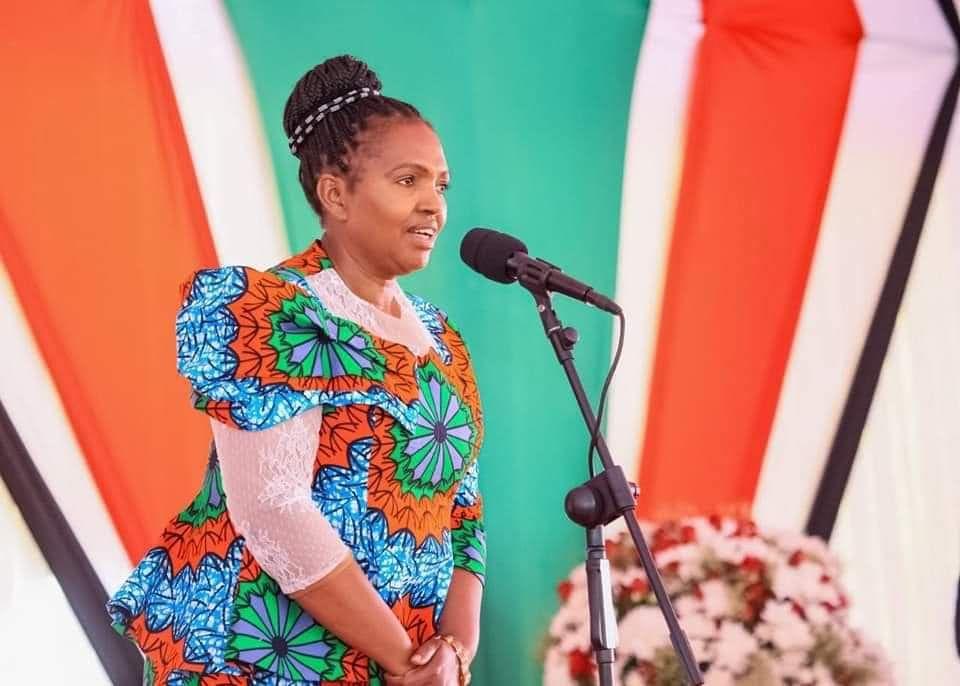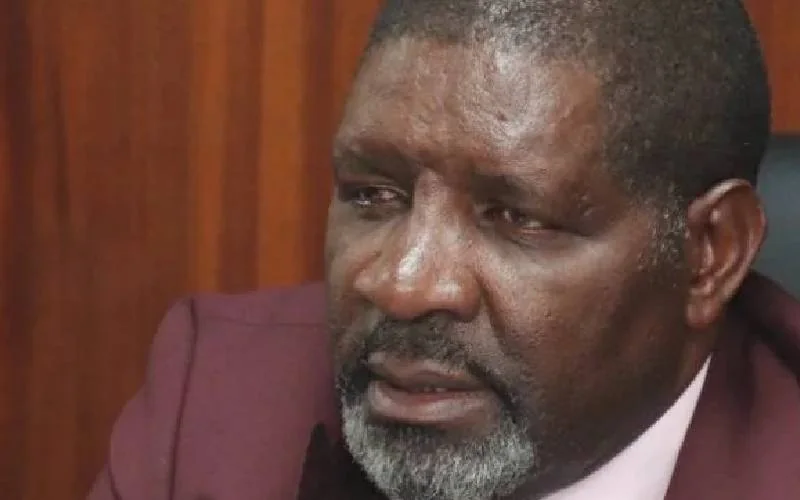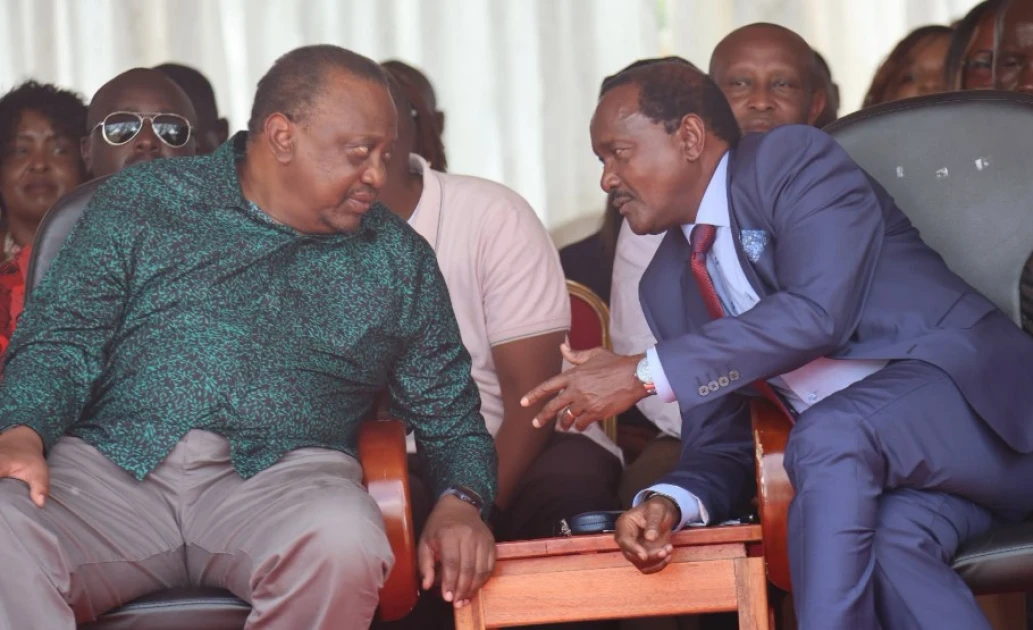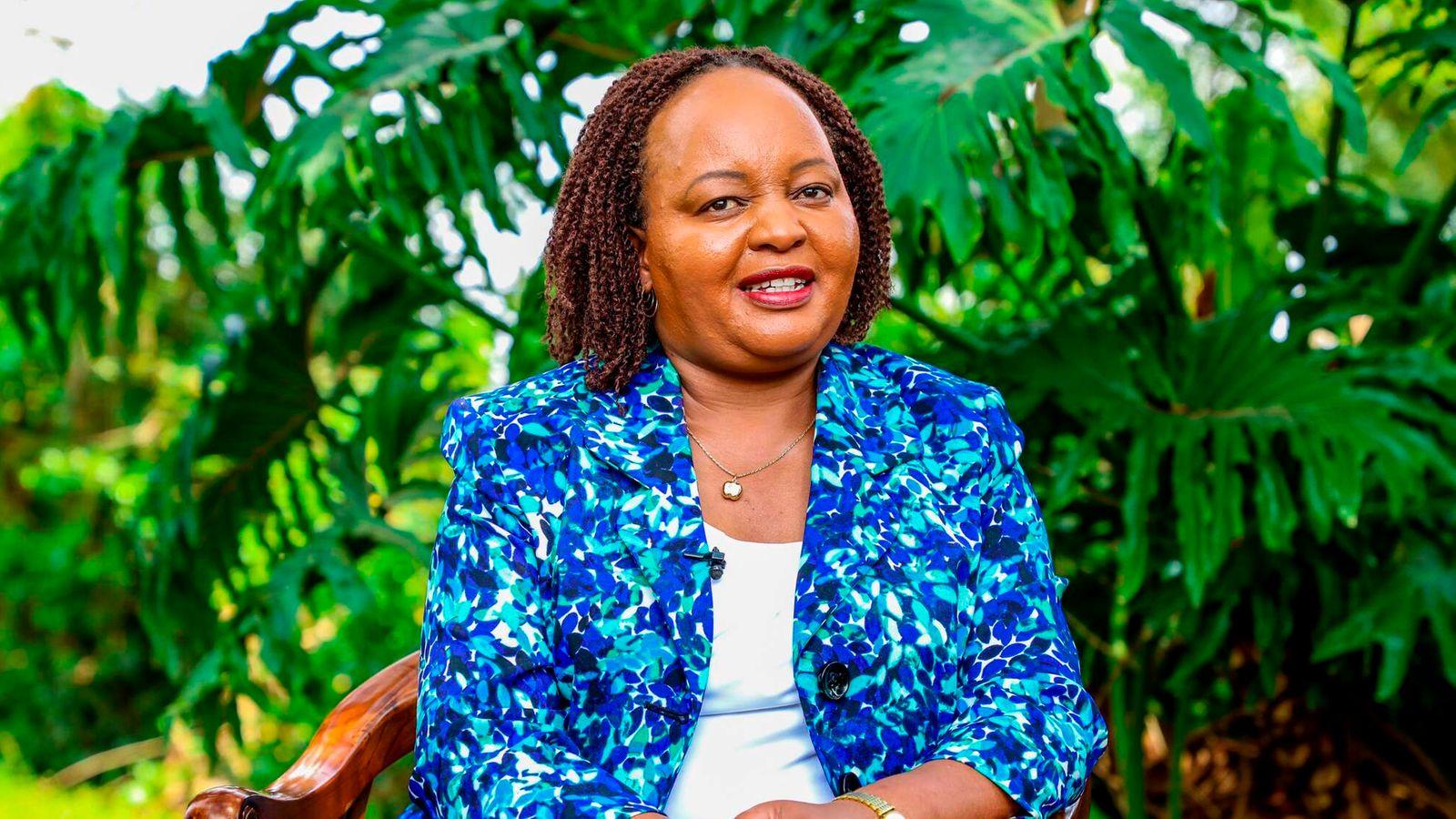
Kirinyaga Governor Anne Waiguru has questioned the opposition’s preparedness for the 2027 General Election, arguing that its leaders lack a clear strategy for challenging President William Ruto.
Waiguru cautioned residents of the Mt Kenya region against assuming that large crowds at opposition rallies would automatically translate into votes, saying presidential campaigns require broad national support and careful planning.
Speaking at a hotel in Sagana during a meeting with rice farmers and local leaders, the governor said she expected divisions to emerge among opposition leaders when they are required to settle on a single presidential candidate.
Waiguru Questions Opposition Unity
Waiguru argued that opposition leaders had yet to demonstrate sufficient unity around a common presidential candidate and a shared national agenda.
“You don’t need to be a scientist to know the opposition will not unite,” she said, claiming that seven presidential hopefuls had yet to agree on a flagbearer.
She urged voters in Mt Kenya to avoid what she described as emotional politics, populism and propaganda when evaluating political leaders ahead of the next election.
The governor also said the region would not field a presidential candidate in 2027, arguing that political ambitions required a national strategy rather than a regional approach.
“We cannot leave government for opposition. For us to go where we want, we must plan. One day I would like to be President of Kenya, it may look easy but it is not, 2027 is not the time,” she said.
Governor Cites National Support and Alliances
Waiguru said presidential candidates must build support across different parts of the country to meet the constitutional threshold for winning the election.
Under Article 138(4) of the Constitution, a presidential candidate must receive more than half of all votes cast and at least 25 per cent of the votes cast in each of more than half of Kenya’s counties.
She pointed to President Ruto’s political tours across Nyanza, the Coast and the Rift Valley as examples of efforts to build support beyond a candidate’s home region.
Waiguru also claimed that Ruto enjoyed support in 35 of Kenya’s 47 counties and had the backing of more than 150 Members of Parliament.
Those figures were presented as part of her argument that political ambitions must be supported by a broad national network.
Waiguru Defends Ruto’s Record
The Kirinyaga governor urged Mt Kenya residents to recognise what she described as the benefits the region had received under the current administration.
She recalled that Ruto had supported former President Uhuru Kenyatta’s administration despite its shortcomings and argued that political commitments should be honoured.
Waiguru also called on rice farmers to support Ruto’s re-election bid, saying they had benefited from his administration’s policies in the agricultural sector.
“I support President William Ruto and we must honour our past political commitments,” she said.
“Let us remember just one good deed that Ruto has done for this country and give him a second term.”
Her remarks underline her continued public support for Ruto as political leaders position themselves ahead of the 2027 General Election.
2027 Campaigns Gather Momentum
The next presidential election is expected to feature competition among candidates seeking support across Kenya’s regions, with political parties and coalitions working to establish their alliances and campaign agendas.
Waiguru’s comments add to the ongoing debate over opposition unity, regional political alignments and the importance of presenting voters with clear policy proposals.
While the governor expressed confidence in Ruto’s political support, the claims about county-level backing and parliamentary numbers remain her assessment and should not be treated as independently verified election projections.