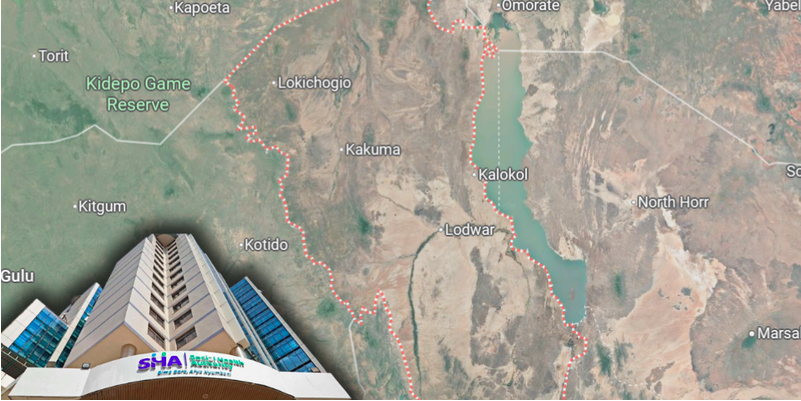
Turkana County is among the lowest-performing counties in the registration of residents under the Social Health Authority (SHA), with only 310,684 people enrolled against a target population of 926,463.
The reported 33.4 per cent coverage places Turkana at position 43 out of Kenya's 47 counties, with authorities attributing the low enrolment largely to population mobility associated with pastoralism, inadequate identity documentation and settlements located far from government services.
In remote communities near the Kenya-South Sudan border, the lack of national identification documents continues to prevent some residents from accessing essential government services, including health insurance registration.
ALSO READ

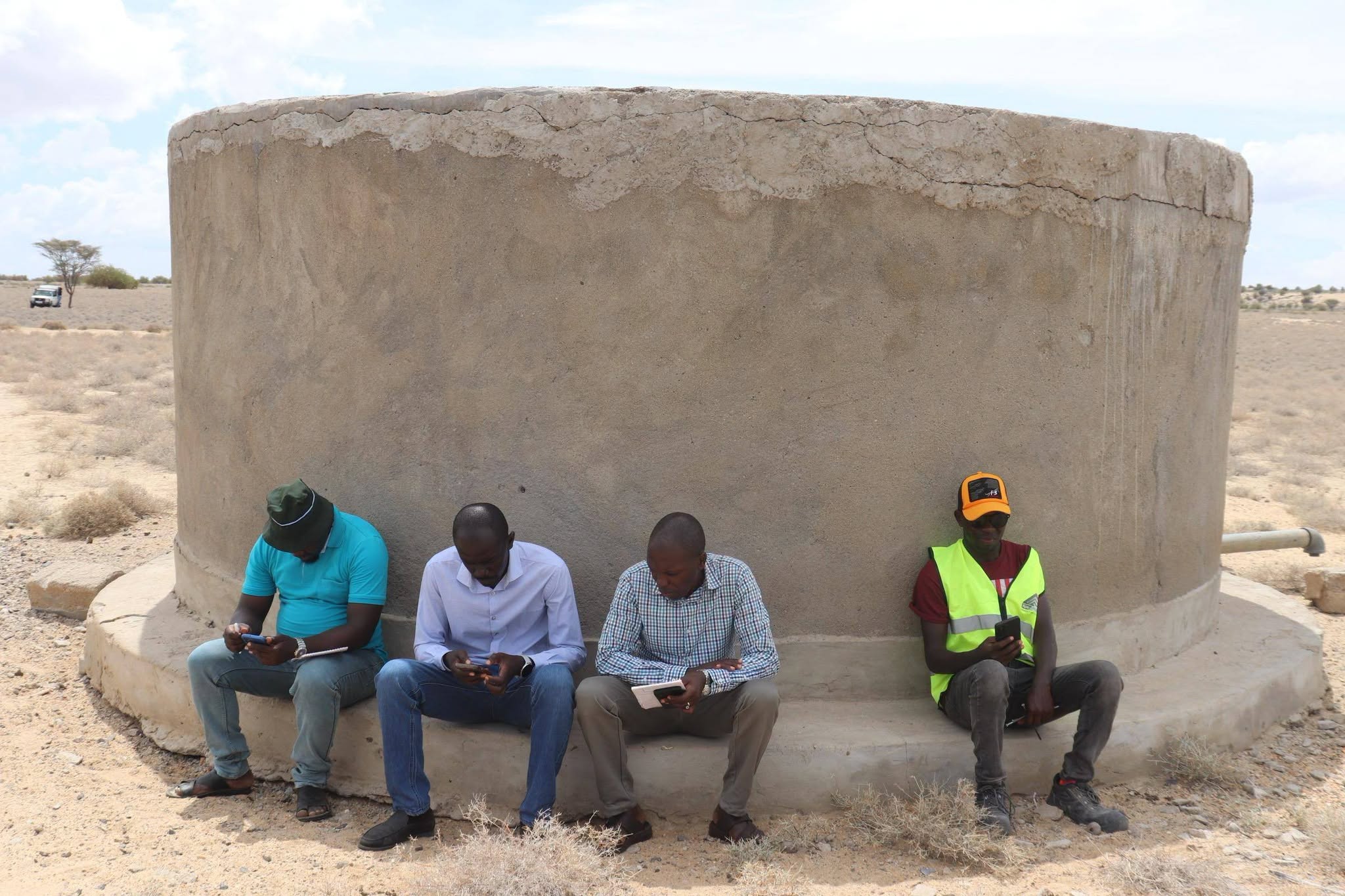
At Ng'eu Village, James Esekon says he has no legal proof of Kenyan citizenship because he does not possess a national identity card.
He explained that the lack of documentation has repeatedly denied him access to essential services, including during occasional visits to Lokichoggio town, more than 60 kilometres away.
“I don't have a mobile phone and I am yet to register for Social Health Authority for medical cover when I fall sick,” Esekon said.
Another resident, Longor Tupur, from neighbouring Long'echen Village, said he had never participated in a General Election because he lacked a national identity card.
“I don't have an ID card just like most of my children who are nomadic pastoralists. I wish that I get the opportunity to register for the national ID and later register as a voter. Our children and grandchildren should also have birth certificates. With such documentations we will be counted as Kenyans and remembered in terms of development as well as easily access health services,” he said.
Governor Calls for Increased ID Registration
Turkana Governor Jeremiah Lomorukai has appealed to the national government to intensify national identity card registration, particularly in remote communities that remain disconnected from essential government services.
He said the county administration, together with elected leaders, would support efforts to reach residents who have been left out of government programmes because they lack identification documents.
Lomorukai noted that national identity cards would enable more residents to enrol in social protection initiatives, including the Inua Jamii programme and SHA.
“With National IDs, many locals enrol on government social protection programs, notably the Inua Jamii Program and SHA, improving their overall quality of life,” he said.
County, Amref Intensify SHA Awareness Campaign
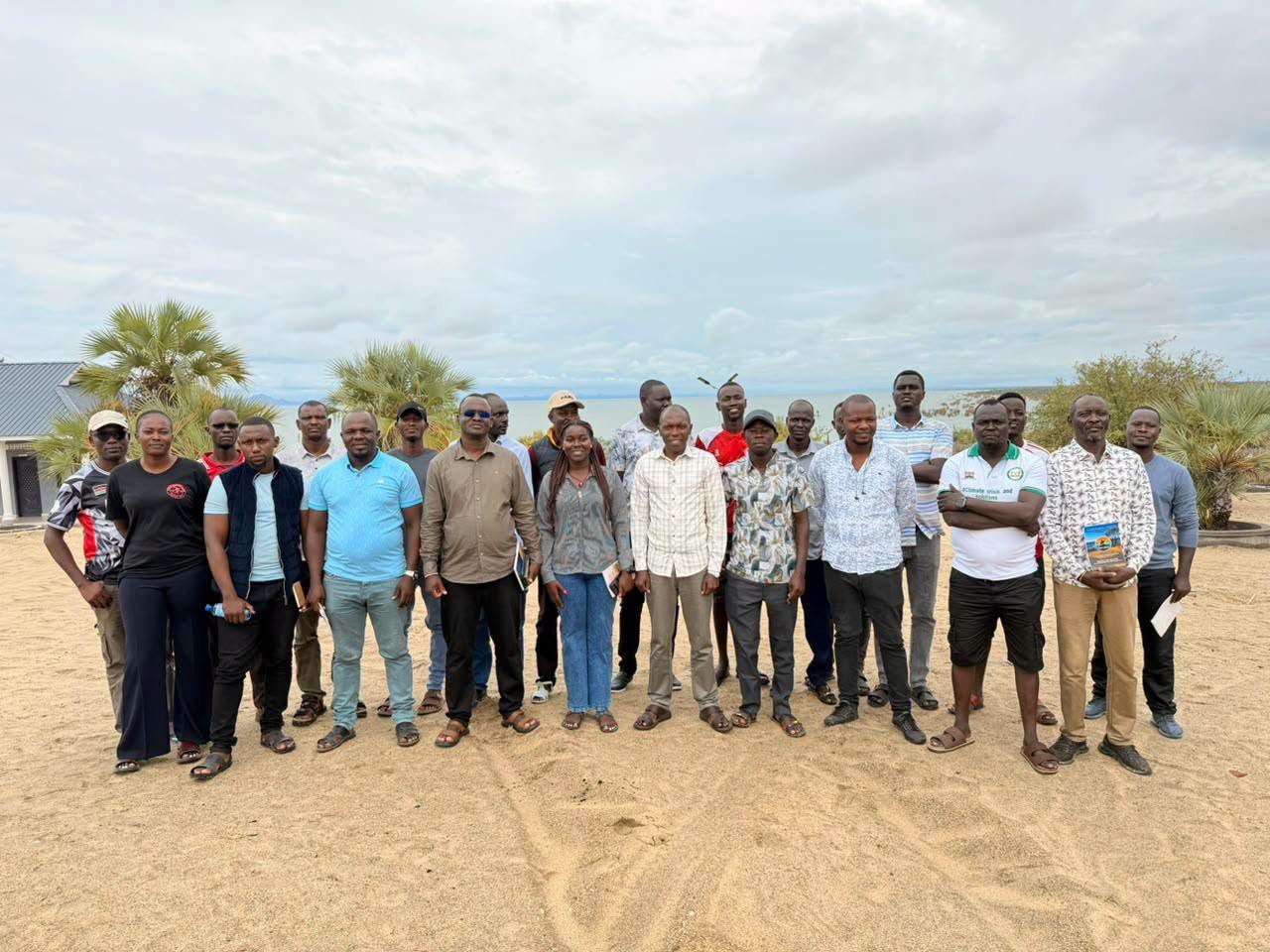
Senior Officer for Registration and Compliance at the SHA office in Lodwar, Edaan Elamach, said the Turkana County Government, in partnership with Amref Health Africa, had completed a four-day campaign aimed at increasing SHA registration and improving access to healthcare under Universal Health Coverage.
The campaign covered Turkana West and Lokichoggio sub-counties.
The sessions focused on equipping stakeholders with information about SHA benefits, registration procedures, access to healthcare services, facility reimbursement requirements and community mobilisation strategies.
Elamach said Community Health Promoters (CHPs) were expected to play a central role in encouraging residents to register and understand the available healthcare benefits.
“We are advocating for increased community mobilisation to ensure more eligible residents enrol for SHA. We are banking on Community Health Promoters (CHPs) in driving registration and community awareness. All stakeholders should champion for SHA implementation and ensure more residents access available healthcare benefits,” he said.
Kimormor Outreach Targets Pastoralist Communities
County Executive for Health Joseph Epem said the county had introduced Kimormor, an integrated one-health outreach programme designed to provide combined health and social development services to nomadic populations.
The initiative seeks to improve access to national identity registration, SHA enrolment and other essential services by reaching communities in their areas of settlement.
Epem explained that the county had encountered challenges in mobilising pastoralists for services such as national identification registration and children's vaccinations because livestock activities often take priority in their daily lives.
He said the county was therefore using livestock treatment and vaccination exercises as opportunities to encourage families to access additional services.
“The approach we are using is to tell herders, especially in remote areas, to bring their livestock for treatment and vaccination. Our community health promoters then insist that the herders should come along with their families to access other services. Those who don't have IDs are also assured of getting them when they are registered for SHA,” he said.
Epem urged residents to register with SHA, citing the Social Health Insurance Act, 2023, and called on local leaders to intensify public awareness about the importance of enrolment.
He also said peace-building efforts by the Turkana County Government, particularly along the Kenya-South Sudan border, had created a more conducive environment for health outreach activities.
Hospital CEO Urges Residents to Keep SHA Membership Active
Lodwar County and Referral Hospital Chief Executive Officer Nancy Kinyonge urged residents who had registered with SHA to ensure their membership remained active so they could access services at the county-level referral facility.
“I urge locals to not only register for SHA but ensure that they actively pay for premium. At the main county hospital, we are banking on SHA to set systems that allow proper access to health services,” Kinyonge said.
County Health Promotions Coordinator Ruth Areman called for clearer communication to address misconceptions surrounding SHA and the healthcare benefits available to registered members.
She urged stakeholders to strengthen advocacy and social behaviour change communication to improve public understanding and encourage more residents to enrol.
The county's efforts are aimed at addressing barriers beyond registration itself, including limited access to identification documents, geographical isolation and the mobility of pastoralist communities.
For residents such as Esekon and Tupur, improved access to identity registration could open the way to healthcare coverage and other government services from which they have remained excluded.