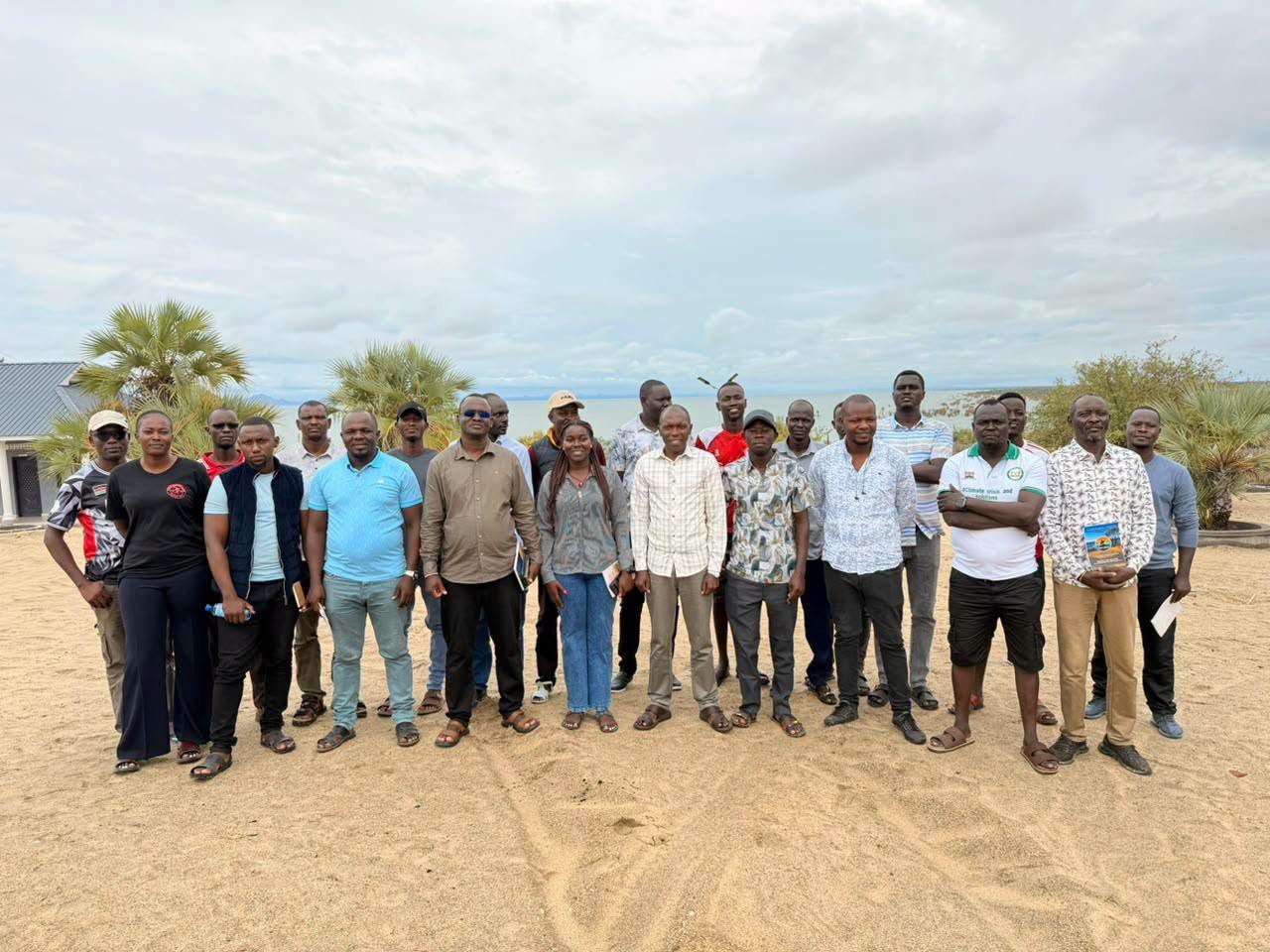
The Turkana County Government has completed preliminary assessments of 11 proposed borehole sites, alongside a water pan, an irrigation scheme and a livestock market, in a major step towards strengthening water access and drought resilience across the county.
The assessments were conducted by a joint technical team comprising engineers, surveyors and hydrogeologists from the State Department for Irrigation and the Turkana County Government.
The 11 boreholes assessed are Kolelewi, Lochor-Emeyen, Lorugum, Lopur (Napeillilim), Lomil, Napetao, Loturerei, Kanyuda, Kakimat, Ekwar and Eliye Springs.
ALSO READ
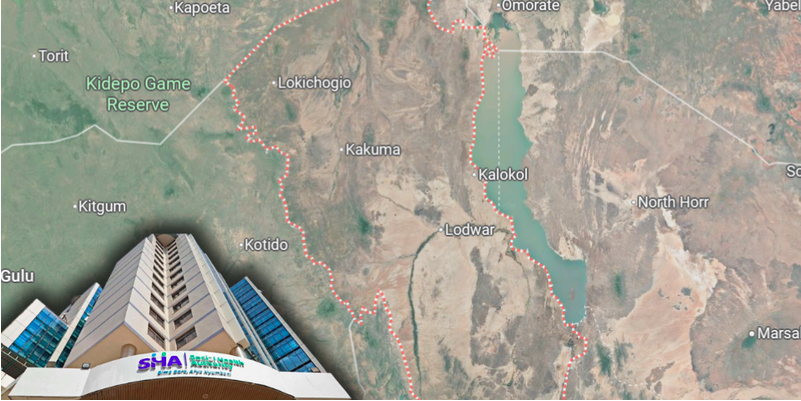

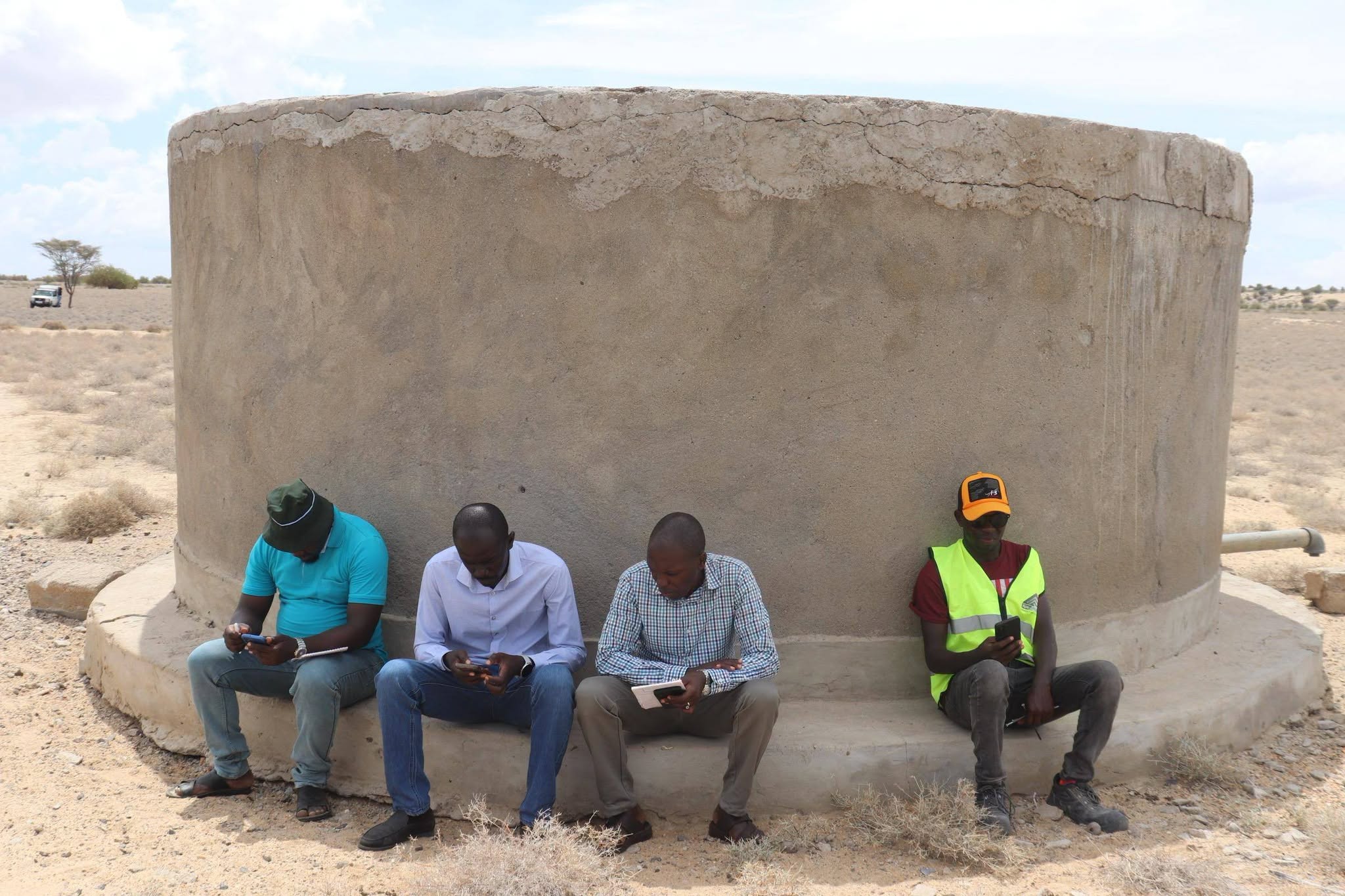
The team also assessed a water pan at Nalet in Kakuma, an irrigation scheme at Kaemase and a livestock market at Nakoret.
According to preliminary findings presented by Solomon Kuria, a hydrogeologist from the State Department for Irrigation, geophysical investigations using modern equipment and methods were conducted at all the sites to examine underground conditions and identify suitable drilling locations.
Kuria said the preliminary hydrogeological and survey reports had produced promising findings, with recommended drilling depths ranging between approximately 110 and 130 metres.
“Hydrogeological and survey reports show promising results from all the boreholes at depths ranging from approximately 110 to 130 metres, which is recommended as the target for drilling,” Kuria said.
Salinity Concerns at Eliye Springs
Despite the promising findings, the technical team identified potential groundwater quality challenges at Eliye Springs, which lies within a lake-margin environment characterised by lacustrine deposits and limestone formations.
Kuria cautioned that these geological conditions could increase the risk of groundwater salinity, although the actual water quality cannot be established through geophysical investigations alone.
He said laboratory testing would be conducted after drilling to determine the suitability of the water for consumption and other uses.
For Napetao, Loturerei and other locations where groundwater may turn out to be saline, the technical team recommended that the Drought Resilience Programme in Northern Kenya (DRPNK) consider reverse osmosis technology to remove excess salts and improve water quality.
The team also emphasised the importance of involving communities and respecting local cultural practices during the drilling and implementation phases.
Early engagement with local leaders and residents, they noted, would improve community acceptance, facilitate access to project sites and promote long-term ownership of the infrastructure.
County Government Welcomes Assessment Findings
Addressing the technical team at the conclusion of the field assessment, County Chief Officer for Agriculture and Land Reclamation David Maraka, who also heads the Drought Resilience Programme, expressed satisfaction with the work completed despite challenges associated with dry and saline boreholes and long distances between assessment sites.
“I lack words to thank all of you involved in the exercise for the exemplary work. With the preliminary reports, I have no doubt our commitment to make water accessible for all residents in the project areas will soon be realised,” Maraka said.
He said the next step would involve receiving and reviewing the field reports to guide implementation of the proposed projects.
Maraka indicated that the reports were expected to be finalised by Friday, December 4, 2026.
He added that the findings would also help the Programme Coordination Unit address gaps identified in the ongoing Investment Plan I and II projects while preparing for the next phase of projects under Investment Plan III in the 2026/2027 financial year.
“With this coordination, the County Government through DRPNK and the State Department for Irrigation aim to combine synergies to create greater impact for realisation of a common project goal,” he said.
DRPNK Targets Completion Before December 2027
DRPNK Coordinator Michael Ekwanga thanked the field team and the County Programme Coordination Unit (CPCU) for their commitment in completing the assessment exercise as planned.
He said the Investment Plan III projects were designed to strengthen drought resilience and the adaptive capacities of pastoral and agropastoral communities.
Ekwanga described the completion of the field assessment as a significant step towards implementation, noting that the technical reports were now ready for review and analysis.
He said the programme was expected to end in December 2027, urging the implementing teams to maintain momentum and ensure the projects were completed within the available timeframe.
“The project is expected to end in December 2027. That timeline should give us more energy to complete all these projects before then, to allow residents to enjoy the full benefits of the projects,” Ekwanga said.
The joint assessment marks an important planning stage for the county's drought resilience investments, with the next phase expected to focus on reviewing technical findings, confirming implementation requirements and translating the proposed infrastructure into improved water access and livelihoods for local communities.