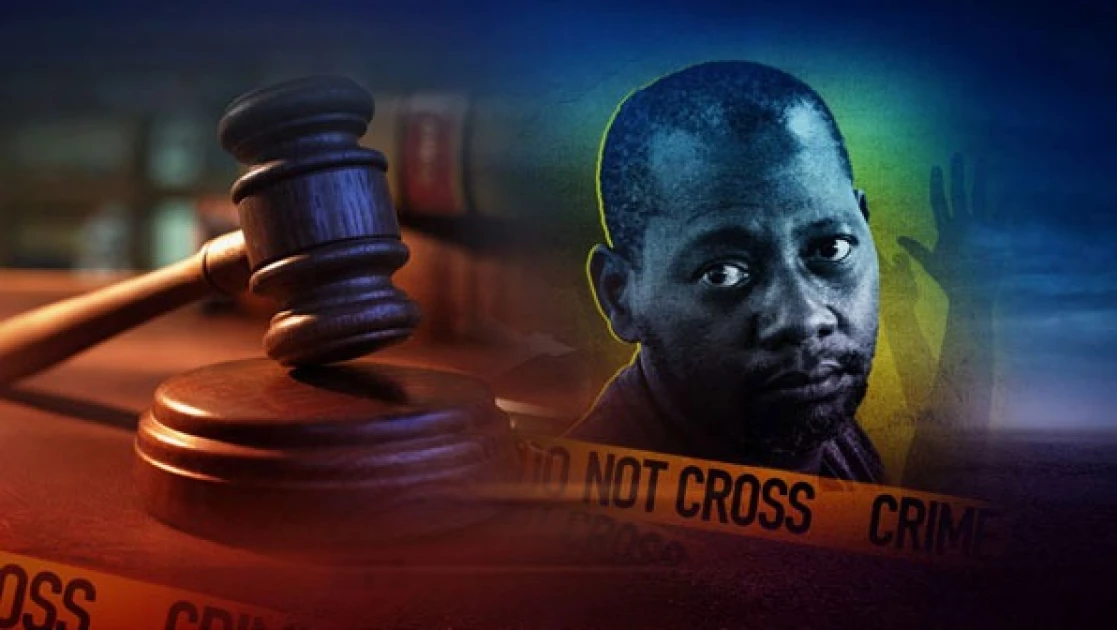
Families affected by the Shakahola tragedy have renewed calls for accountability, compensation and answers over the deaths of their loved ones following the sentencing of controversial preacher Paul Nthenge Mackenzie and his co-accused.
Although some relatives have welcomed the court's decision, others say the punishment does not fully address the scale of the tragedy, insisting that security officers and government agencies that allegedly failed to intervene must also be held accountable.
Mackenzie was sentenced to 200 years in prison on November 6, 2026, after being convicted of the murder of 191 people, including 190 children and one adult, in the Shakahola Forest tragedy in Kilifi County.
The sentencing marked a major development in the case, but for many bereaved families, the struggle for justice remains far from over.
ALSO READ
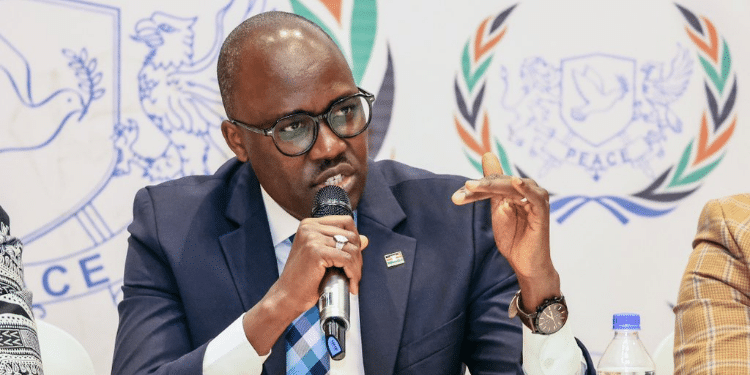
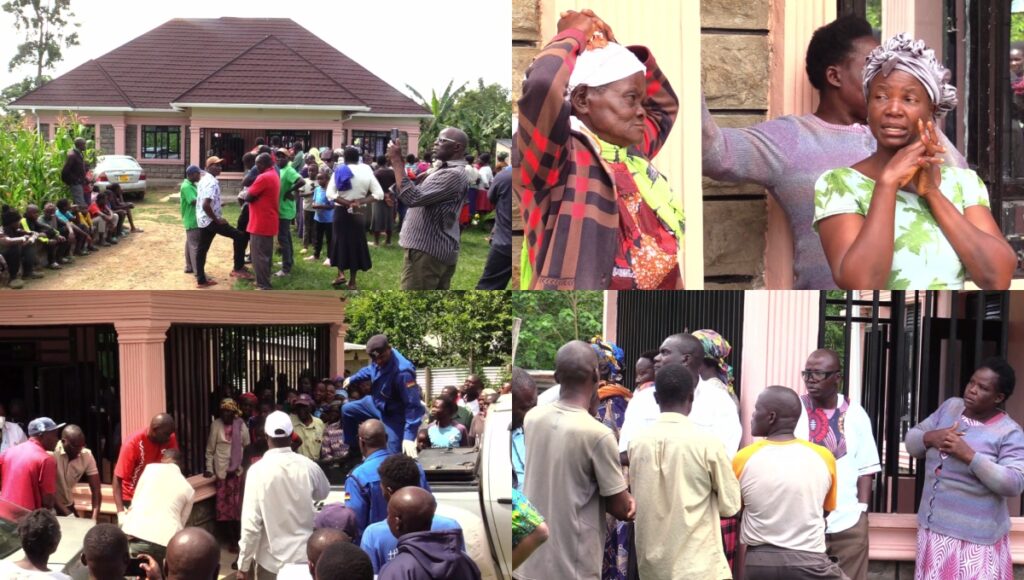
Roseline Asena, who lost her brother, his wife and their five children in the tragedy, said the court's decision had addressed the criminal responsibility of Mackenzie and his co-accused but left unanswered questions about possible failures within government institutions.
She questioned why security officers and local administrators did not intervene despite reports of people being denied food and dying in the forest.
“The sentence is okay but it has only addressed criminality and not institutional justice... kuna maafisa waliona watu wakifa wakinyimwa chakula.. kulikuwa na OCS kulikuwa na OCPD walikuwa wapi haya yakiendelea,” Asena told Citizen TV.
She said the sentencing should mark the beginning of wider discussions about the responsibility of officials who may have witnessed warning signs but failed to act.
“Tunaamini mahakama imefanya hatua ya kwanza tuanze mjadala wa hatua ya pili. Tuangalie waliosimama wakaangalia kile kilikuwa kinatendeka watachukuliwa hatua gani,” she added.
Asena maintained that the families want answers about how such a tragedy could continue without effective intervention from the authorities responsible for protecting lives.
For relatives who lost loved ones, the pain has been compounded by the inability to recover and bury the remains of some victims.
Asena said the tragedy had taken a heavy emotional and psychological toll on her family, adding that watching television reports about Mackenzie and the case continued to reopen painful memories.
“Ukifungulia TV uone Mackenzie is so traumatizing. How I wish tungeelekezwa twende ofisi fulani tupewe majibu,” she said.
Her concerns reflect the continuing uncertainty faced by families who are still seeking information about their missing relatives and the recovery of their remains.
Another bereaved relative, Michael Ruwa, who lost seven family members in the tragedy, said the sentence was not enough to deliver the justice he expected.
He expressed the view that Mackenzie deserved an even harsher punishment, saying the rights of the children who died had not been fully addressed.
“Kivyangu angehukumiwa kinyonga. Haki za watoto haijapatikana kikamilifu,” Ruwa said.
Ruwa and other affected families are also calling for compensation, proposing that Mackenzie's assets, including property and land, be sold and the proceeds used to support those who lost relatives.
“Kuna kanisa kuna mashamba ya Mackenzie ambayo serikali ingeuza na kupewa sisi tuliofiwa,” he added.
The families want the government to consider how assets linked to Mackenzie could be used to provide financial support to those affected by the tragedy.
The November 6 ruling followed the conviction of Mackenzie and 28 co-accused over the deaths of 191 people.
The Mombasa High Court, presided over by Justice Diana Kavedza, sentenced Mackenzie to an aggregate 200 years in prison. The court also handed lengthy prison terms to his co-accused, with sentences varying according to their respective roles.
The prosecution had sought the death penalty for Mackenzie, but the court imposed the lengthy custodial sentence instead.
While the ruling has brought some relief to families who have waited years for justice, relatives say their demands extend beyond the punishment of those convicted.
They want investigations into possible institutional failures, answers about missing loved ones and compensation for the devastating losses they have suffered.
For many families, photographs remain among the few reminders of relatives they lost, as they continue to seek answers, accountability and a chance to find closure.