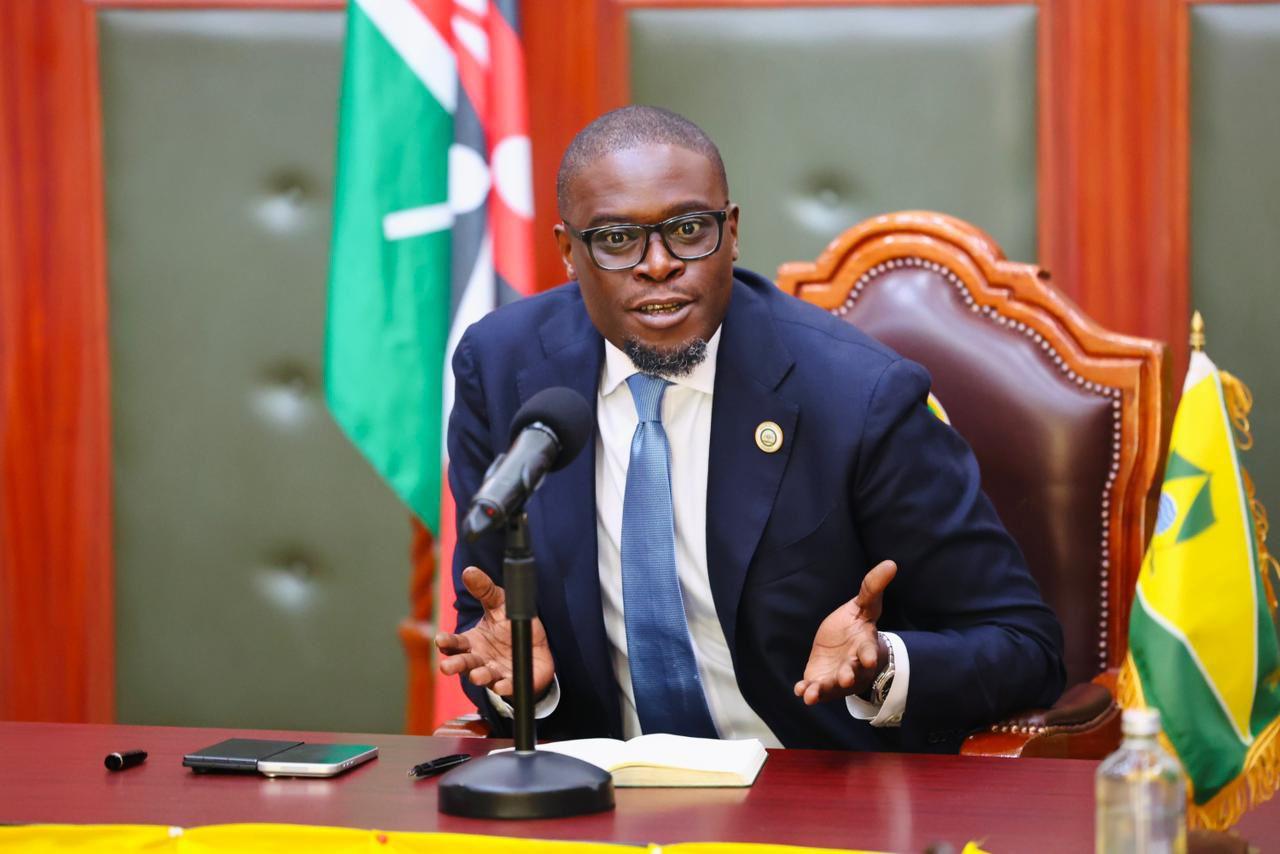
Nairobi Governor Johnson Sakaja has explained his decision to join the Orange Democratic Movement (ODM), describing the move as a natural progression of the political cooperation he has maintained with the party since taking office.
Sakaja said his administration had worked closely with ODM despite being elected on a United Democratic Alliance (UDA) ticket, noting that the party commands a majority in the Nairobi City County Assembly.
He explained that cooperation across political parties had been necessary to secure the passage of county budgets and other critical legislation.
ALSO READ
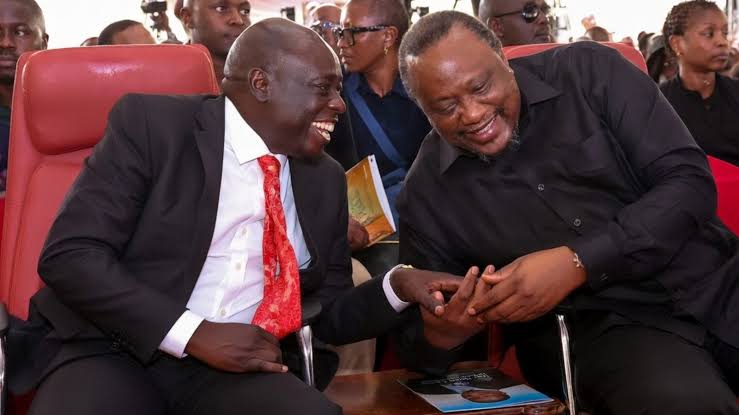
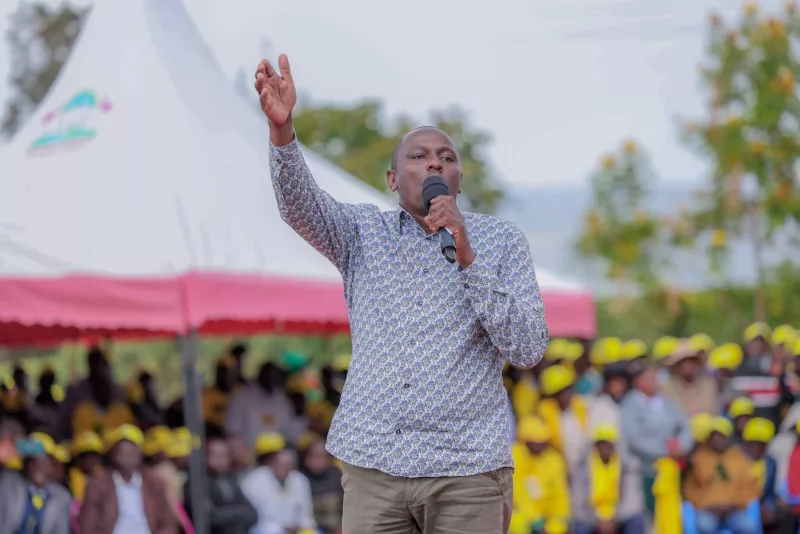
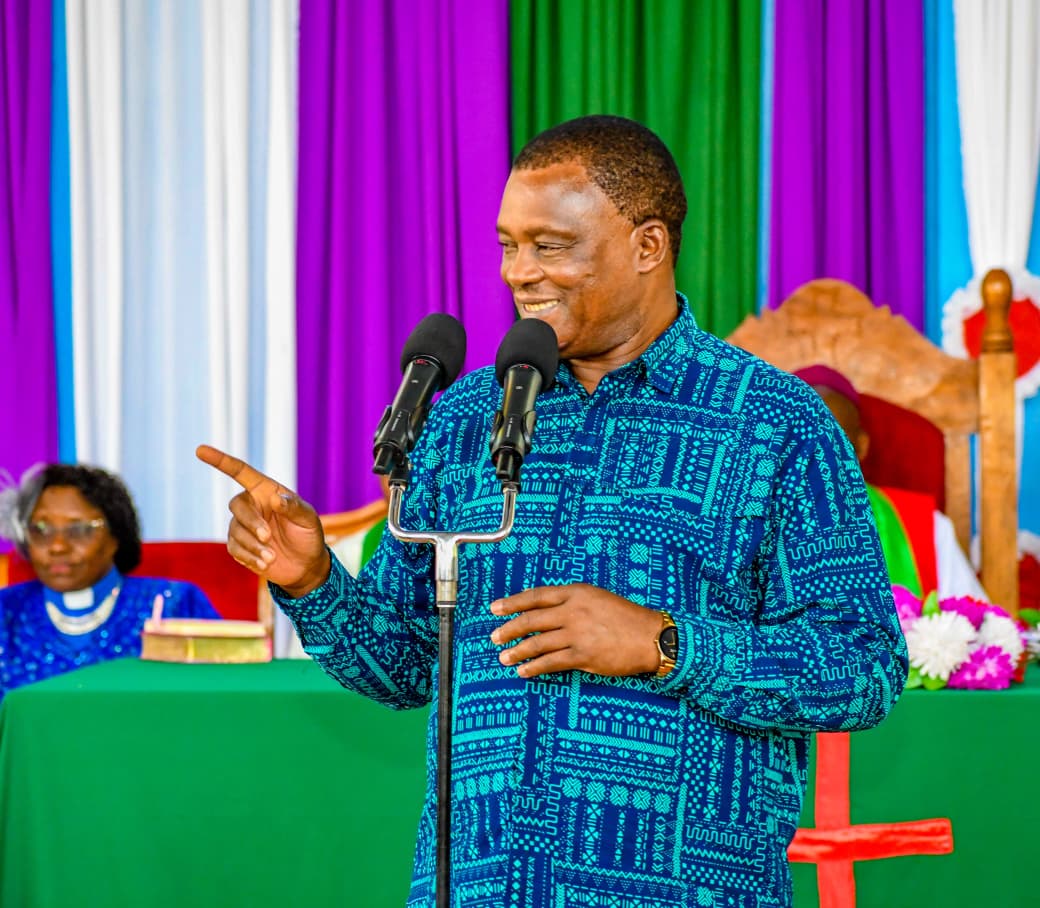
“People used to say that I was an ODM mole, but the reality is that I understood the importance of working with everyone for the benefit of Nairobi residents. It is the ODM leadership, through the Majority Leader, that has helped us pass our administration’s budgets and other critical legislation,” he said.
Sakaja argued that restricting his administration to cooperation with UDA would have made it difficult to secure the support needed to advance Nairobi's development agenda.
He added that his experience in county government had reinforced the importance of working with leaders across political divides to deliver services to residents.
Sakaja Says Ruto Supports ODM Move
The governor said the cooperation between ODM and UDA in Nairobi reflected the broader political arrangement at the national level, where leaders from the two parties are working together under the broad-based government.
He maintained that his decision to join ODM had the blessing of President William Ruto, arguing that political movement between the parties was consistent with their cooperation.
“Now that ODM and UDA are working together under the broad-based government, with President William Ruto as the presidential candidate, there is nothing wrong with leaders moving between the parties within this arrangement,” he said.
“I have the President’s blessing. He has demonstrated his ability to work closely with ODM, and I can tell you that ODM will remain part of the broad-based government as we head towards 2027,” Sakaja added.
The governor also recalled his conversations with the late former Prime Minister Raila Odinga, saying the former ODM leader had consistently expressed a desire to see Nairobi remain stable and continue making progress.
Sakaja described his entry into ODM as the culmination of a relationship built over time rather than a sudden political decision.
He also urged former ODM members who had left the party to consider returning, saying unity would help advance the vision and legacy associated with Raila.
Sakaja Makes Case for Second Term
Sakaja also used the occasion to defend his bid for a second term, arguing that Nairobi needs continuity in leadership to complete ongoing projects and strengthen devolution.
He cited previous disruptions in the city's leadership, including the impeachment of former Governor Mike Sonko after two years in office and the subsequent intervention of the Nairobi Metropolitan Services (NMS).
According to Sakaja, the repeated changes in the city's governance have affected the ability of successive administrations to implement long-term development plans.
“Nairobi has never had the opportunity to experience devolution at its best because no Governor has had the chance to serve two full terms and see through the transformation they started. This stop-start approach to governance has affected continuity in service delivery,” he said.
The governor argued that a second term would give his administration an opportunity to consolidate its achievements and complete projects currently in the pipeline.
Dishi na County, Roads and Healthcare Among Priorities
Among the programmes he identified as priorities were the expansion of the Dishi na County school feeding initiative, improvements to Nairobi's road network and street lighting, and the expansion and equipping of hospitals.
He also outlined plans to transform waste into useful resources, including the development of sports and recreational facilities.
“We want to expand programmes such as Dishi na County, improve our road network and street lighting, expand and equip our hospitals, and transform waste into valuable resources, including sports and recreational facilities,” he said.
Sakaja described the projects as part of a wider plan to position Nairobi as a modern, functional and internationally competitive city.
He maintained that continuity in leadership would be important in completing the initiatives and delivering long-term improvements to residents.
His remarks place his political realignment with ODM alongside his second-term ambitions, as the party and UDA continue their cooperation under the broad-based government ahead of the 2027 General Election.