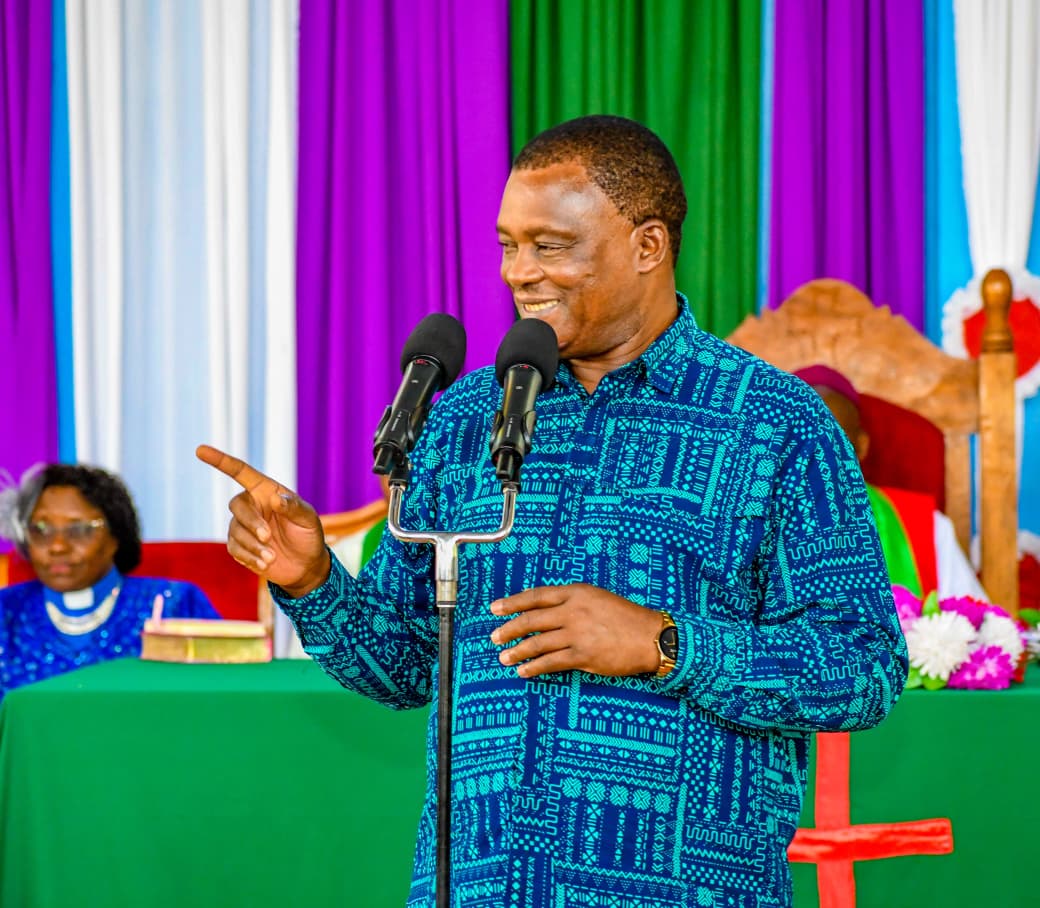
Democratic Party of Kenya leader Justin Muturi has criticised Rigathi Gachagua's approach to opposition coalition-building, warning that political divisions and disagreements over power-sharing could undermine the United Opposition's efforts ahead of the 2027 General Election.
In a statement dated November 2, 2026, Muturi said the presidency could not be secured through the support of one community alone, arguing that national leadership requires broad-based alliances, consensus and the ability to unite Kenyans across ethnic and regional boundaries.
Muturi questioned Gachagua's commitment to the collective presidential ambitions of the Wantam movement, citing what he described as attempts to undermine existing cooperation and promote tripartite political arrangements.
ALSO READ
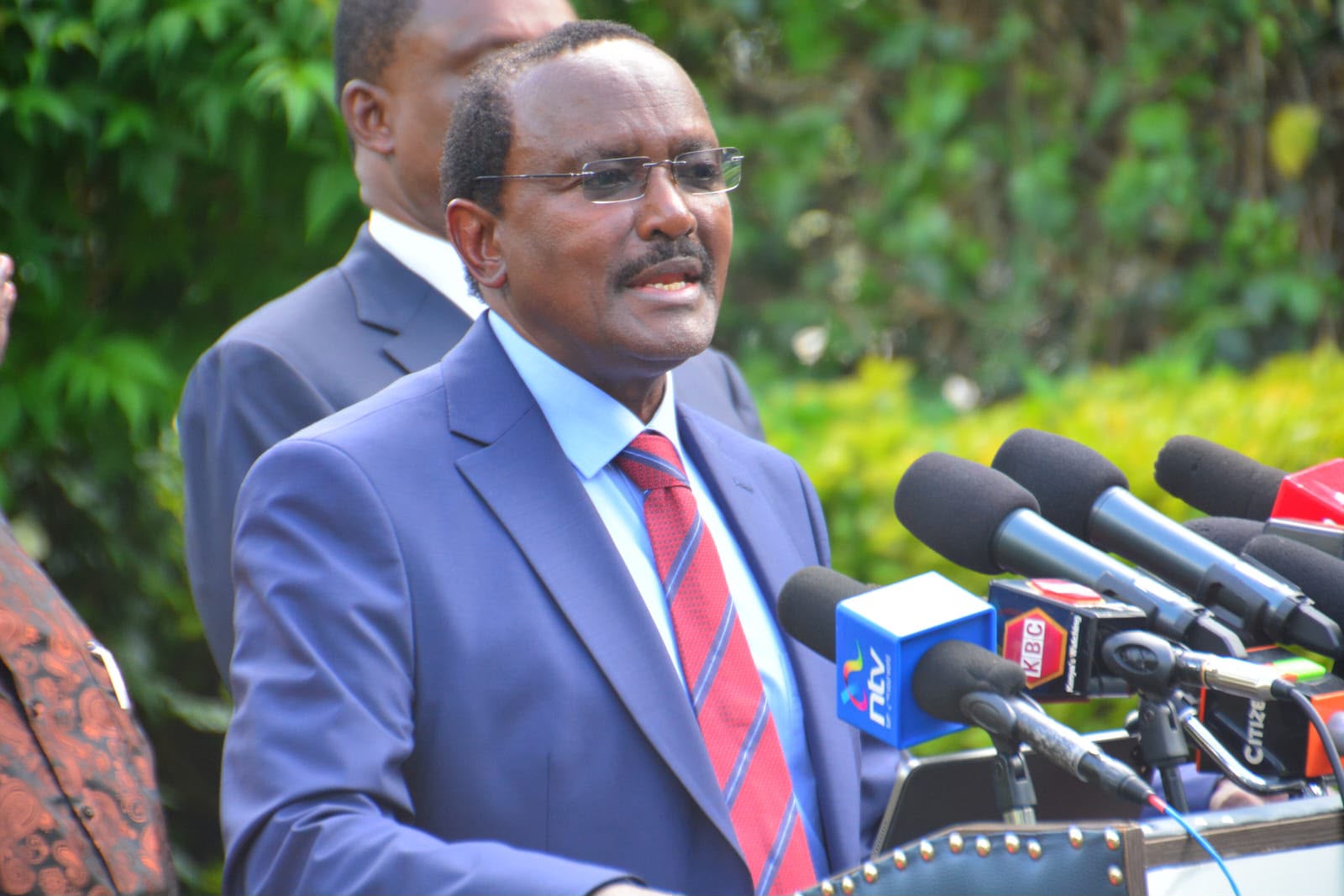

“I wish to put the United Opposition on notice: the current political trajectory being pursued by Mr Gachagua raises serious questions about his commitment to the collective presidential ambition of the Wantam movement,” Muturi said.
He added that disagreements over political arrangements risked shifting attention from the shared objective of securing the presidency to post-election bargaining.
The Democratic Party leader also questioned whether the opposition was focused on winning the presidency or prioritising control of parliamentary seats, legislators and devolved governments.
He argued that building a national coalition requires compromise, political maturity and strategic thinking, adding that a tripartite arrangement was not a guaranteed route to State House.
“Fragmenting an opposition that needs unity raises serious questions about the political direction being pursued. Let it be clear: No individual owns the United Opposition, and no community has a monopoly on Kenya’s presidency. Political partnerships must be built on mutual respect, not ultimatums, political bullying or supremacy contests,” he said.
Muturi maintained that presidential politics should not be reduced to ethnic numbers, regional strongholds or the bargaining power of individual leaders.
He warned that dividing the opposition into separate political formations could weaken the broader movement and undermine the aspirations of Kenyans seeking political change.
In his statement, Muturi also referred to the political history of Gachagua's family, citing the late Nderitu Gachagua's election as governor of Nyeri County.
He said Nderitu's victory against a candidate associated with the TNA political vehicle, which supported former President Uhuru Kenyatta, demonstrated the complexity of political alliances and the fact that no political formation could claim ownership of a community's political support.
Muturi used the example to argue that political partnerships should be based on consultation and mutual respect rather than individual control.
The DP leader insisted that the opposition must decide whether it intends to build one national movement around a shared presidential ambition or allow separate political formations to pursue individual interests.
He said no personal ambition should take precedence over the aspirations of millions of Kenyans.
The Democratic Party, Muturi added, remained willing to engage in dialogue with political leaders committed to constructive discussions and solutions.
“As the Democratic Party, we remain ready and willing to engage in dialogue with all those who are genuinely committed to meaningful talks and constructive solutions. However, let it be clear: we will not capitulate to mischief, intimidation, or any attempts to undermine our principles,” he said.
Muturi's statement comes amid wider debate within opposition circles over how to organise political alliances, regional support bases and the process of identifying a joint presidential candidate for the 2027 election.
Recent public remarks by opposition leaders have exposed differing views on whether coalition-building should begin with regional political blocs or a broader national framework.