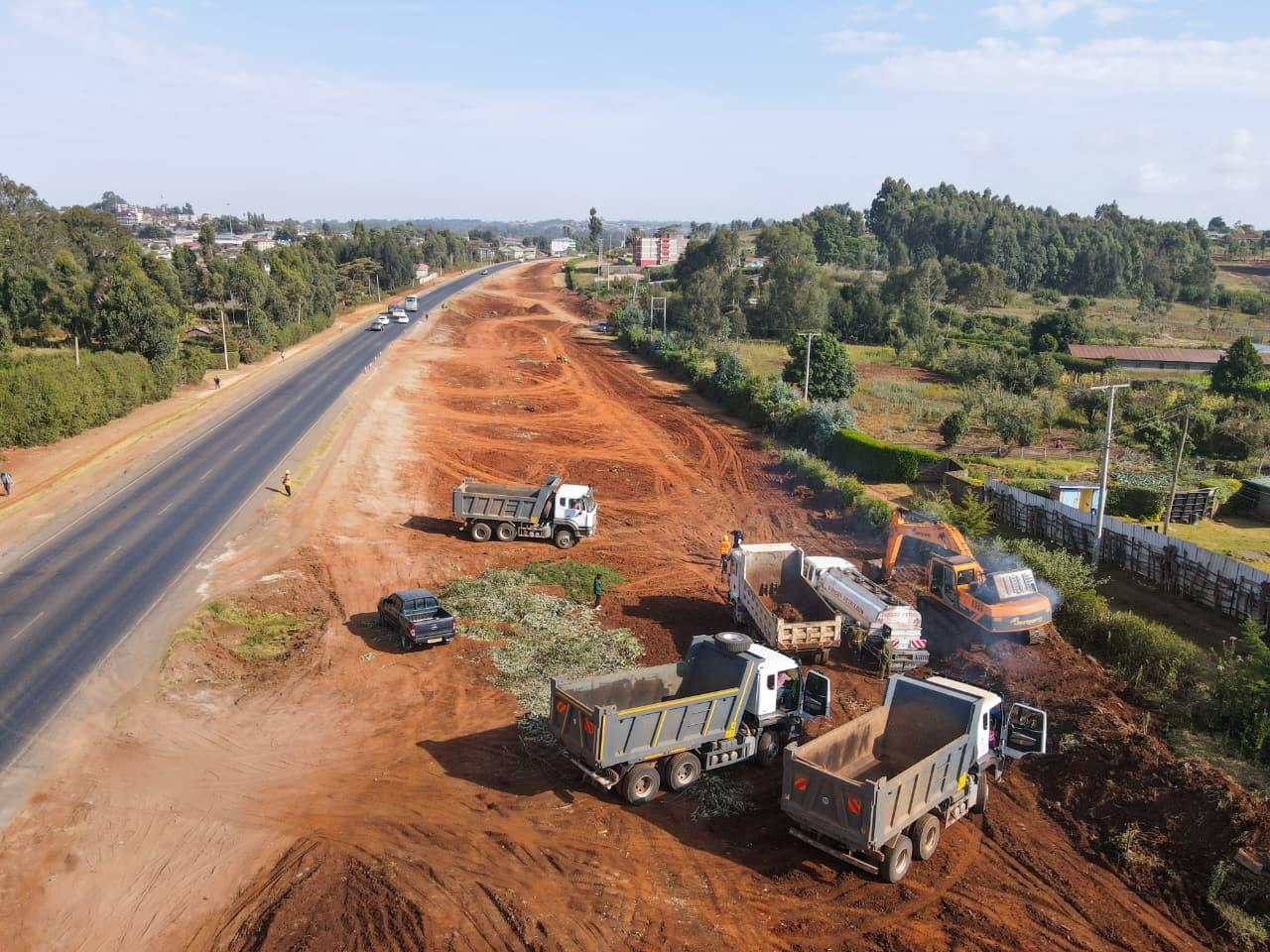
Former Deputy President Rigathi Gachagua has disputed the government's explanation for delays in the construction of the Ksh200 billion Rironi–Mau Summit highway, alleging that disagreements over project financing involving Chinese partners are behind the slow progress.
Gachagua, who leads the Democracy for Citizens Party (DCP), claimed that Chinese officials had declined to release additional funds for the project, citing concerns about the political risks surrounding the 2027 General Election.
Speaking during a church service in Kikuyu, Kiambu County, on Sunday, November 1, Gachagua dismissed claims that shortages of bitumen, a key material used in road construction, were responsible for the delays.
ALSO READ
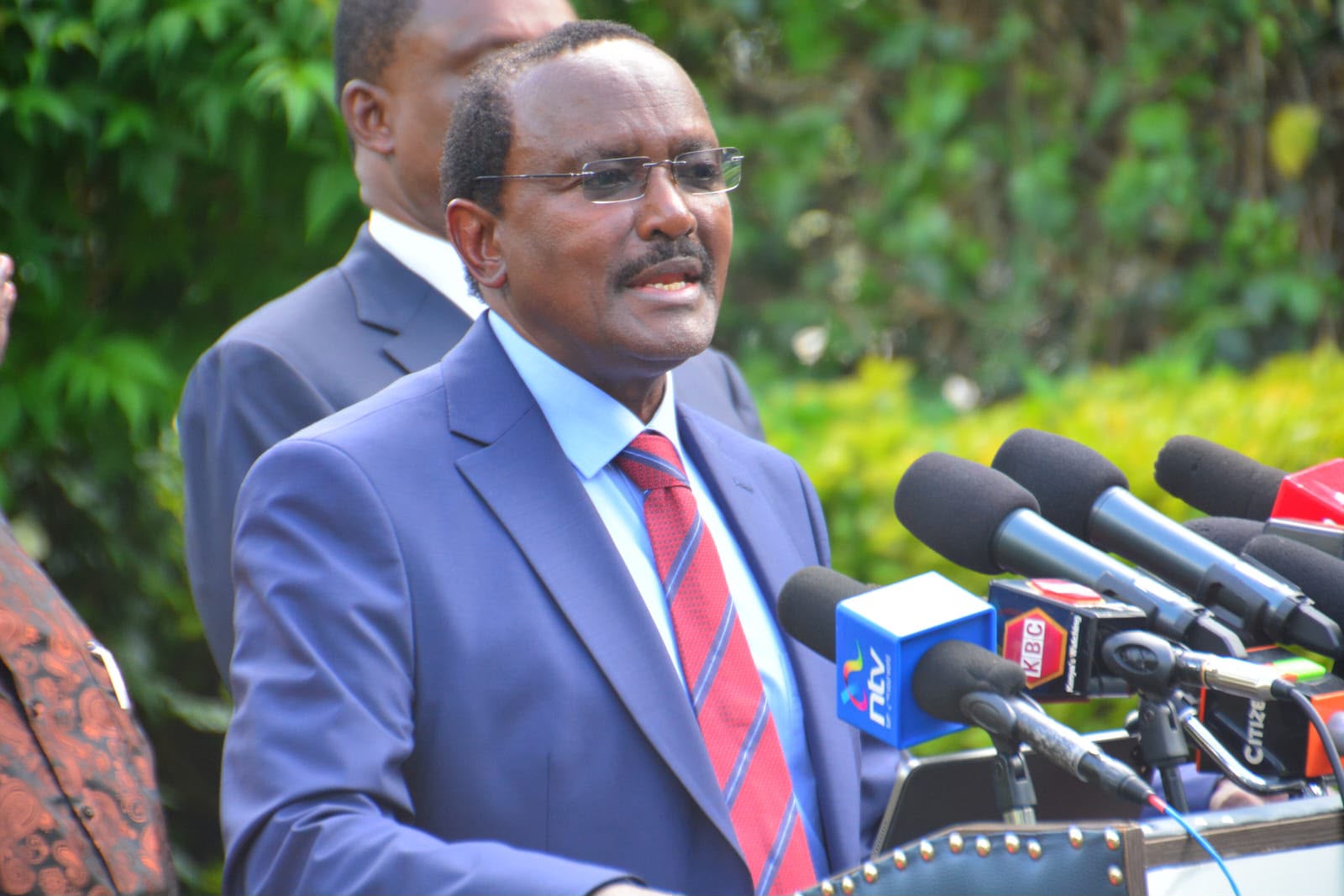
According to the former Deputy President, the contractors lack the funds needed to sustain construction, contrary to the explanation given by Transport Cabinet Secretary Davis Chirchir.
"Now, I have been informed that Chinese government officials have refused to release funds for this road because they view it as a 'political project' and consider it too risky, given that we have an election coming up next year," Gachagua claimed.
His remarks came a day after Chirchir defended the government's handling of the project during an inspection of the ongoing construction works.
On Saturday, October 31, the Transport Cabinet Secretary said disruptions in the supply of bitumen over the previous two months had contributed to unexpected delays.
"Bitumen availability has been a challenge in the last two months due to the current geopolitical issues and supply chain disruptions; this has caused some setbacks and unexpected delays," Chirchir stated.
The Cabinet Secretary also said the government had secured bitumen supplies to support the ongoing works, with construction teams expected to accelerate the laying of road surfaces.
During an earlier appearance before the National Assembly's Transport Committee on Friday, October 30, Chirchir announced that the government was targeting early December 2026 to open the Rironi–Naivasha section of the highway to motorists.
The revised timeline followed the government's failure to meet an earlier commitment to complete the section by October 30.
Chirchir said more than 90 teams had been deployed along the route to accelerate construction, with work progressing at approximately four kilometres per week.
However, Gachagua maintained that the bitumen shortage explanation did not reflect the actual financial challenges facing the project.
"I heard the Minister for Roads, Chirchir, claim that works on the road have stalled due to a lack of bitumen, or perhaps because of the conflict between Iran and the United States. The truth is, the Chinese have simply stated that there is no money," he added.
The former Deputy President further claimed that the Chinese companies involved in the project had been informed that additional funds were unavailable to sustain construction.
He also demanded that the two Chinese companies return the money by October 2027, following the anticipated change of administration after the next General Election.
The Rironi–Mau Summit highway project involves Chinese construction firms, including China Road and Bridge Corporation and Shandong Hi-Speed Road and Bridge International, in partnership with the National Social Security Fund (NSSF).
The project is expected to improve transport links between Nairobi, the Rift Valley and western Kenya, while easing congestion along one of the country's busiest highways.
Neither the Chinese companies nor the Ministry of Roads and Transport had publicly responded to Gachagua's financing allegations by the time of publication.