President William Ruto has directed the government to review school capitation rates, saying current funding levels are no longer adequate to meet the rising cost of providing basic education.
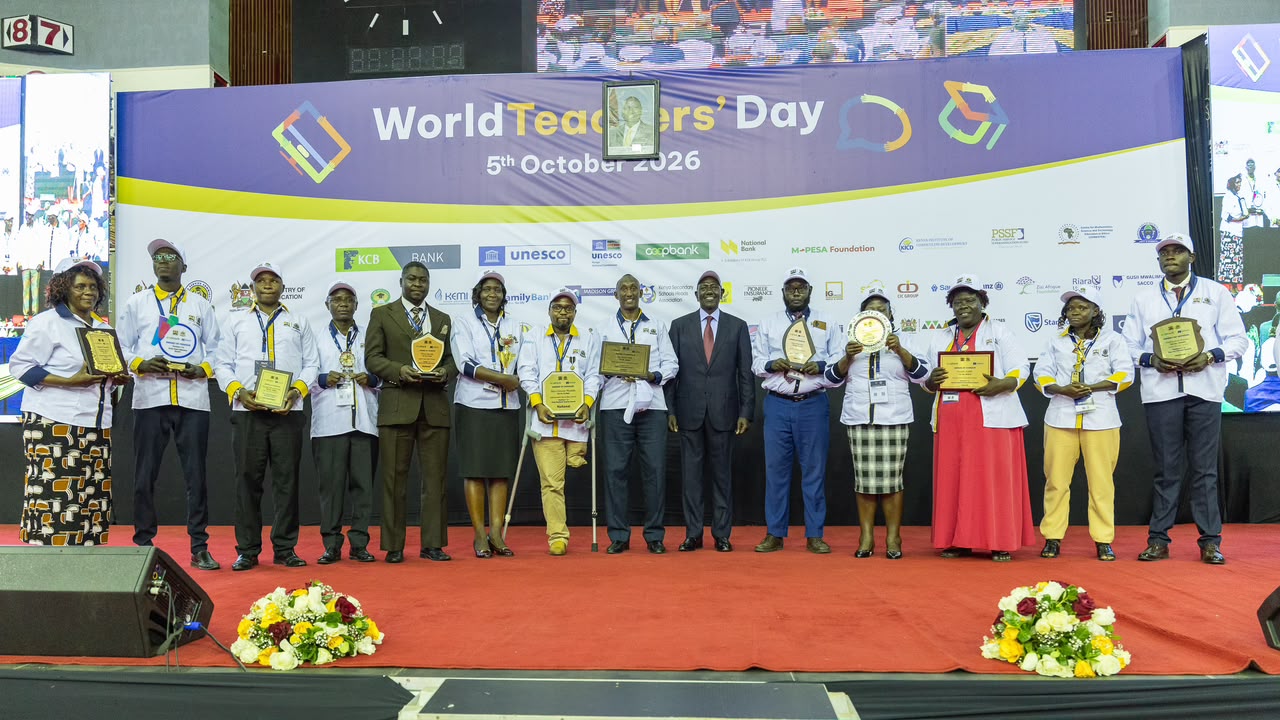
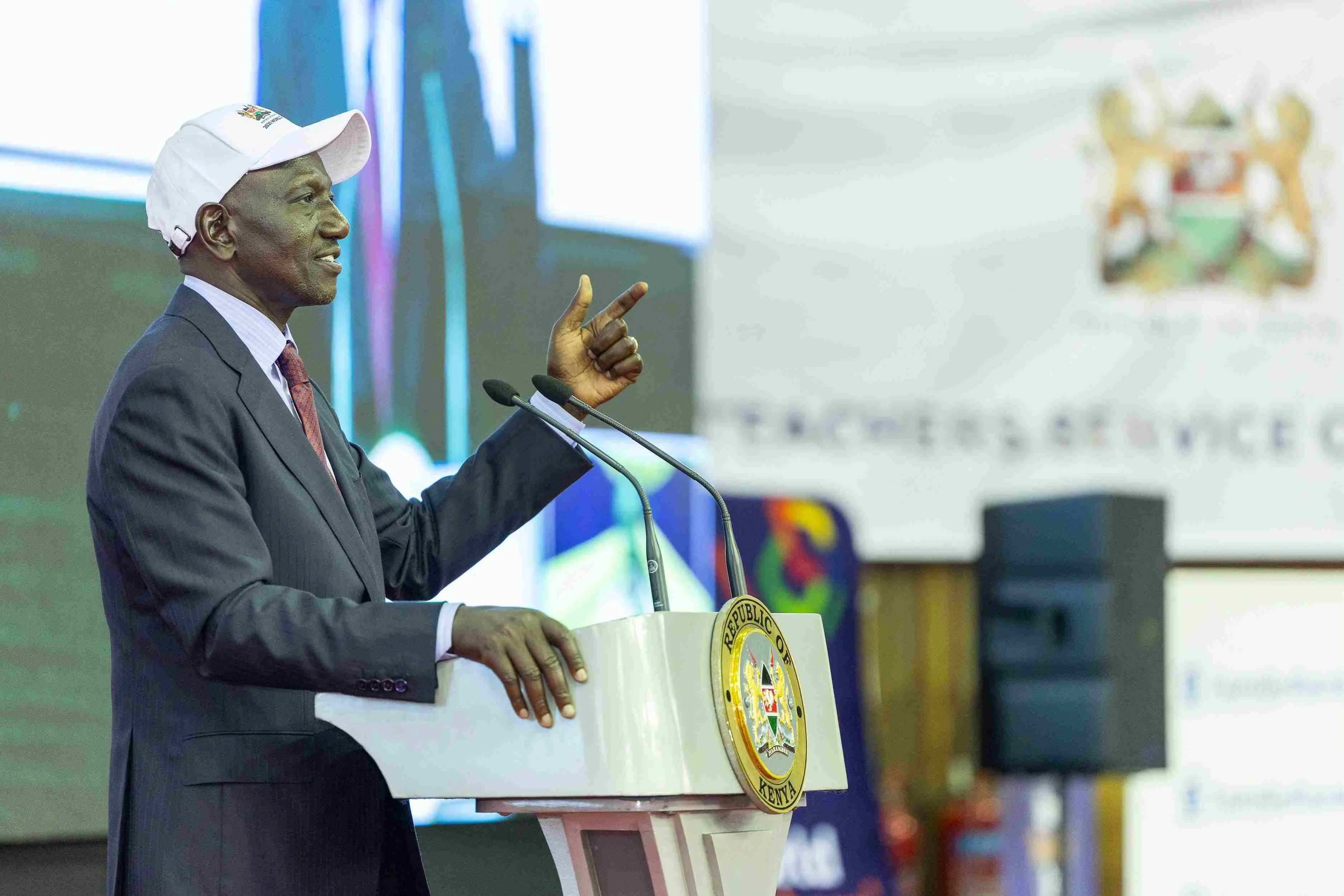
Speaking during the national World Teachers’ Day celebrations at Kasarani in Nairobi on Monday, October 5, 2026, Ruto said capitation rates had not kept pace with changes in the education sector and the wider economy.
The President said the review would cover funding for secondary schools, junior secondary schools and other levels of basic education.
“Since 2015, so much has happened,” Ruto said, directing the Ministry of Education and other stakeholders, including the Teachers Service Commission and teachers, to begin the review after the completion of the Tertiary Placement and Funding Bill process.
Ruto said the government needed to reassess the amounts allocated per learner to ensure schools had adequate resources for teaching and learning.
“I believe we need to review the Sh22,000 upwards. We need to review the Sh14,000 upwards, and we need to review the Sh2,300 upwards to make sure that there are adequate resources to teach our children in school,” he said.
Government considers higher school capitation
The directive comes amid continuing concerns from school administrators over rising operational costs, inflation and delays in the release of government funds.
Government records have previously placed the approved annual capitation for senior secondary and Free Day Secondary Education at Sh22,244 per learner, while the approved JSS rate has been around Sh15,043 per learner.
YOU MAY ALSO READ:
- Ruto announces 20,000 more teachers to be recruited by December
- World Teachers' Day 2026: Global Leaders Call for Greater Support for Teachers
The amounts actually received by schools can be lower depending on government budget allocations and disbursement.
Ruto said the government had continued releasing capitation to schools during the year.
He cited Sh44.2 billion released in January, Sh23.4 billion in May and Sh18.5 billion in August, bringing the total released to Sh86.1 billion.
“In total, Sh86.1 billion has been released to our schools. That is our standing commitment, and we will keep it that way going forward,” Ruto said.
School funding debate intensifies
The proposed review comes against the backdrop of pressure from secondary school heads for changes to the existing school funding and fee structure.
In June, the Kenya Secondary School Heads Association (KESSHA) proposed higher fees, arguing that the cost of running public secondary schools had increased significantly since the existing framework was established.
Under the proposals presented at the association’s annual conference in Mombasa, parents in national schools could pay up to Sh87,781 annually, while parents in extra-county and county boarding schools could pay Sh83,622.
A proposed Sh7,675 annual contribution was also suggested for day-school learners.
KESSHA said the proposed changes were necessary because schools were facing higher costs for food, utilities, learning materials, transport and other operations.
The association also argued that government capitation had not kept pace with the actual cost of educating and accommodating learners.
Parents raise concerns over higher fees
The proposals have, however, attracted opposition from groups representing parents and consumers, who have warned that higher school fees would add pressure to families already dealing with a high cost of living.
The debate over school financing is now expected to continue as the government begins the process of reviewing capitation rates.
The review could determine whether increased government funding will be used to reduce financial pressure on schools without transferring additional costs to parents.
For schools and families, the outcome of the review is expected to be closely watched as the government considers how to align education funding with the rising cost of providing basic education.