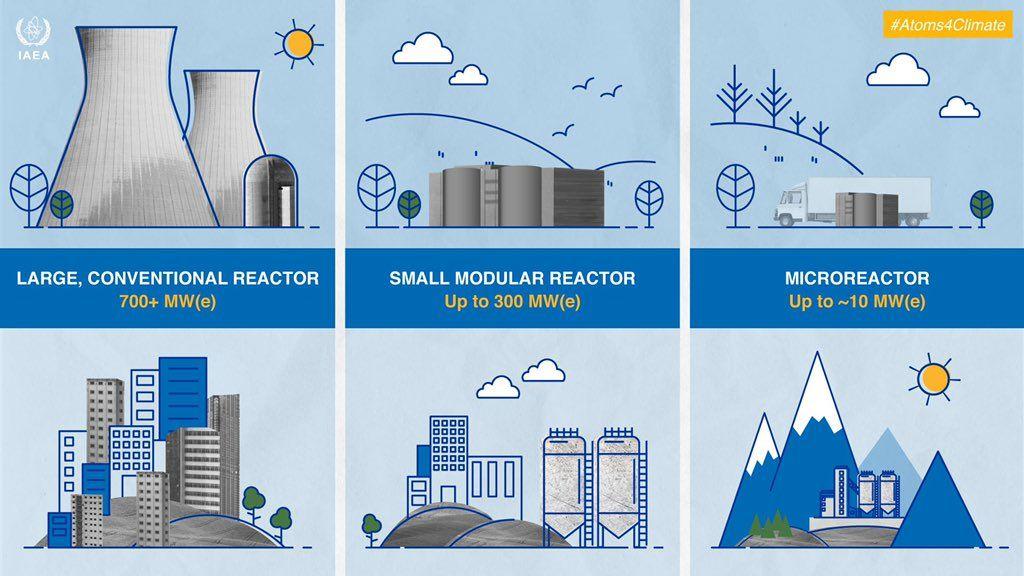
Kenya is preparing to break ground on an KSh80 billion nuclear research facility at Konza City as the country advances plans to develop nuclear technology for peaceful purposes.
The proposed facility is expected to strengthen scientific research, train nuclear specialists and support the country’s long-term nuclear energy programme.
Speaking during the International Atomic Energy Agency (IAEA) Integrated Nuclear Infrastructure Review Mission for a New Research Reactor (INIR-RR) Phase 2 in Nairobi, Science, Research and Innovation Principal Secretary Prof. Shaukat Abdulrazak said the project would help build Kenya’s technical capacity.
ALSO READ

Abdulrazak said Kenya’s progress to Phase 2 of the IAEA review process marked an important step in preparing for the development of a research reactor.
“I am glad that looking at the milestone document of the Atomic Energy Agency, Kenya is now being categorised in the phase two. We have three phases there, and this facility is very critical, very important for us, because we would like to embark on nuclear power programme,” he said.
He added that the facility would support research across different fields and help prepare the country for future nuclear technology applications.
According to Abdulrazak, the proposed reactor would provide a training environment for technicians, engineers and scientists who will be needed as Kenya develops its nuclear programme.
He said the facility would help the country build a pool of skilled professionals rather than relying entirely on training opportunities abroad.
“It’s going to be a facility that will enable us to produce the necessary technicians, engineers, and, of course, experts that will enable us to have a critical mass of Kenyans to be embarking on a nuclear programme in the country,” Abdulrazak said.
He also pointed to Kenya’s growing university sector as a potential source of future researchers and specialists.
The facility’s groundbreaking is expected next year, according to the officials cited in the report. The project is expected to be financed through a public-private partnership, although further details on the financing arrangements were not provided.
The proposed reactor could also support medical research and the production of radioisotopes used in healthcare.
Abdulrazak cited molybdenum-99, an isotope used to produce technetium-99m for medical diagnostic imaging, as an example of a product associated with research reactor applications.
Local production of medical radioisotopes could help Kenya reduce its reliance on imports, including supplies sourced from South Africa, and strengthen access to nuclear medicine.
Officials also see potential for the facility to support the development of specialised medical expertise and related research.
However, the extent to which the project would meet local demand for radioisotopes will depend on the reactor’s eventual design, production capacity, regulatory approvals and operational arrangements.
The research facility is part of wider plans to develop nuclear technology in Kenya.
NuPEA Chief Executive Officer Justus Wabuyabo said the country was preparing for the groundbreaking of a proposed 2,000-megawatt nuclear power plant in Siaya County next year.
The plant is projected to begin supplying electricity to the national grid in 2034, according to Wabuyabo.
“Kenya is going to ground break for the first nuclear power plant of 2,000 megawatts in Siaya next year, with the power going to the grid in 2034,” he said.
Wabuyabo said a nuclear facility could also provide practical training opportunities for engineers and scientists who would eventually work in the country’s nuclear power programme.
The proposed Siaya power plant and the Konza research reactor have different intended roles: the former is planned for electricity generation, while the latter is intended primarily to support research, training and related applications.
Kenya expects to pursue a public-private partnership to finance the KSh80 billion research facility, describing it as a long-term investment in the country’s scientific and technological capacity.
If implemented as planned, the project could expand opportunities for local training and research while supporting the development of expertise needed for nuclear technology applications.
The next stages will involve advancing the project through the required planning, technical assessments, financing arrangements and regulatory processes.
Kenya’s nuclear ambitions will depend on building the necessary skills and infrastructure while ensuring that safety, security and regulatory requirements are met throughout the development process.