MOMBASA, October 10, 2026 — Wiper Patriotic Front leader Kalonzo Musyoka says he has sought the intervention of the United States Embassy in Kenya to help track how American assistance for Ebola preparedness is being used.
Speaking at a rally in Mombasa on Saturday, October 10, Kalonzo questioned the government's handling of the Ebola threat and called for greater transparency in the management of funds allocated to protect Kenyans.
He alleged that the government had failed to adequately protect citizens and demanded accountability for financial assistance provided to strengthen the country's preparedness and response capabilities.
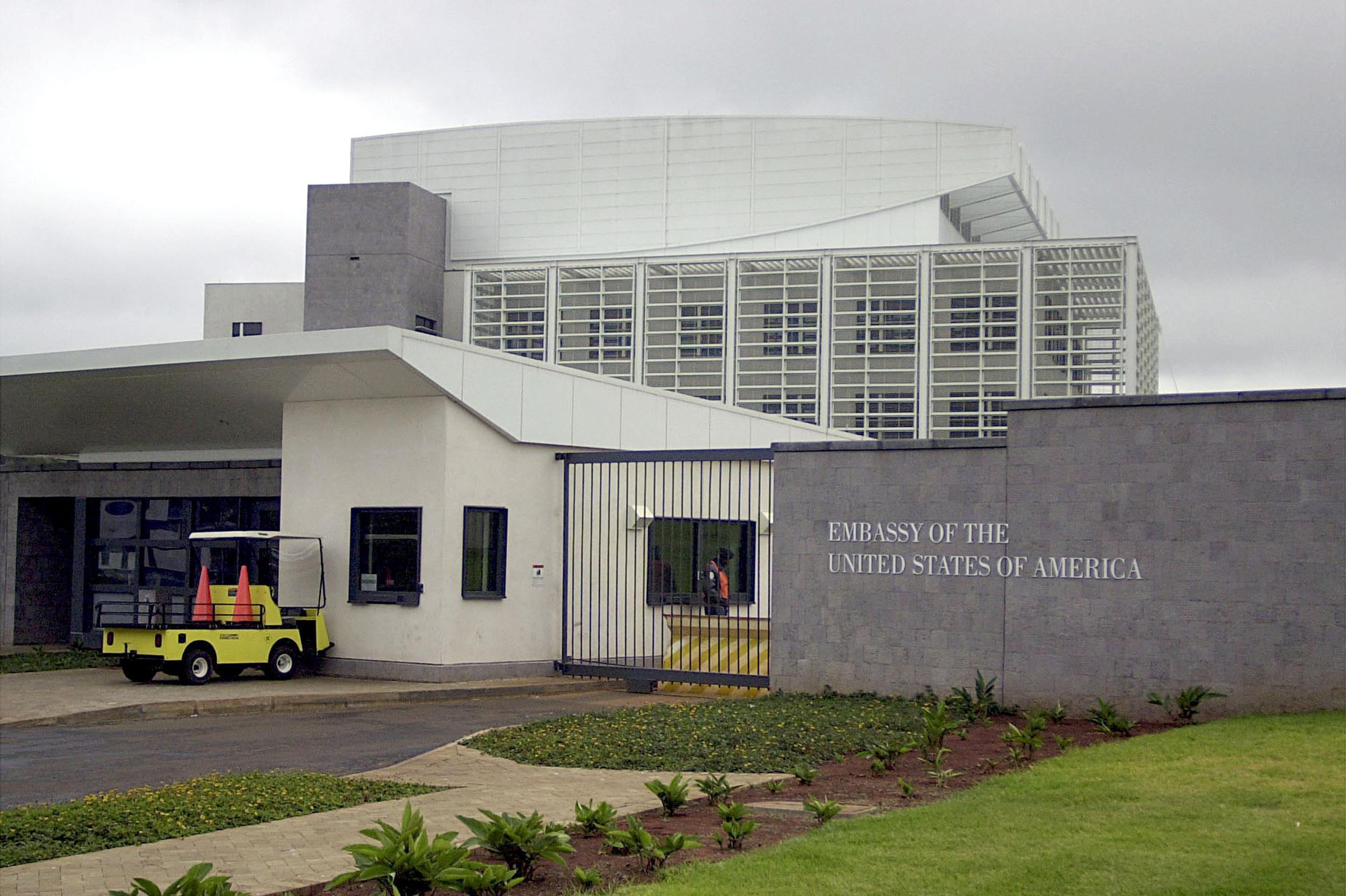
According to Kalonzo, he had spoken to officials at the US Embassy about following up on assistance that the Trump administration had directed towards Kenya's Ministry of Health.
He warned that any misuse of funds, if established, could undermine disease preparedness and put lives at risk.
“Kenyans must not lose their lives because of negligence and corruption,” he said.
The allegations have not, in the information provided for this report, been substantiated by an independent audit or an official finding of financial misconduct.
US Commits KSh1.9 Billion to Ebola Preparedness
The United States announced assistance worth $14.5 million, equivalent to approximately KSh1.9 billion, to strengthen Kenya's Ebola preparedness in July 2026.
The US Embassy said the funding was intended to improve the country's ability to prevent, detect and respond to potential outbreaks.
The support covers disease surveillance, laboratory systems, healthcare worker training, emergency response coordination, risk communication, community engagement and screening at points of entry.
The assistance was announced as Kenya and regional partners strengthened preparedness against the Ebola outbreak in the Democratic Republic of Congo.
The US commitment was intended to support preparedness rather than represent proof that the entire amount had already been disbursed or spent. Details of expenditure would need to be established through official financial records.
Kenya Confirms Imported Ebola Case
Kenya confirmed its first imported case of Bundibugyo Ebola Virus Disease in October 2026, involving a Kenyan citizen who had been living in the Democratic Republic of Congo.
The patient travelled through Uganda before arriving in Nairobi on October 3. The Ministry of Health subsequently confirmed the infection, and the patient died.
The case prompted authorities to strengthen contact tracing, surveillance and preparedness measures.
The government has also received support from international partners as it works to prevent further transmission and improve its capacity to respond to potential cases.
China Provides KSh259 Million Grant
China also provided Kenya with a grant of approximately KSh259 million to support Ebola preparedness and drought mitigation.
The funding was divided between the two priorities, with about KSh130 million allocated to Ebola preparedness and response and a similar amount directed towards drought mitigation.
The assistance was handed over to the National Treasury in October, adding to the international support available for public health preparedness and other emergency needs.
The Chinese grant and the US commitment are separate forms of assistance, with different amounts and stated purposes.
Kalonzo Demands Transparency in Use of Public Funds
Kalonzo's demand for scrutiny comes amid wider questions about how governments account for foreign assistance and ensure that funds reach their intended beneficiaries.
He argued that accountability was essential to ensuring that financial support translated into effective disease surveillance, properly equipped laboratories, trained healthcare workers and stronger emergency response systems.
The US government has previously raised concerns about financial accountability in Kenya's public sector. However, any claim that funds allocated for the current Ebola response were misused would require evidence from audits, investigations or official financial disclosures.
The US commitment announced in July was intended to strengthen Kenya's capacity to prevent, detect and respond to potential outbreaks, making transparent reporting on implementation and expenditure important to public confidence.
Kalonzo's call places renewed attention on the need for authorities to explain how the assistance is being managed and what measures are in place to account for its use.
As Kenya strengthens its Ebola preparedness following the imported case, questions about funding, implementation and oversight are likely to remain part of the public discussion.