Former Deputy President Rigathi has alleged that President William Ruto's sharp response to a journalist at State House Mombasa was linked to a disputed mining project involving niobium and rare-earth minerals at Mrima Hill in Kwale County.
Speaking to Kenyans living in Massachusetts, Boston, on Friday, October 2, 2026, Gachagua claimed that President Ruto had sought to facilitate a mining agreement involving an American investor over the mineral deposits at Mrima Hill.
Gachagua said he intervened over what he described as procedural concerns, including whether adequate public participation had been conducted and whether affected communities in Kwale had been consulted.
He claimed that his intervention contributed to the deal not being concluded.
"He wanted to use an American to steal a mineral called niobium in a place called Mirima Hills. I got him out," Gachagua stated.
Gachagua further alleged that concerns he had raised about public participation were subsequently brought to the attention of the American side, frustrating efforts to conclude the proposed arrangement.
His remarks came a day after President Ruto was questioned by journalists during a roundtable interview at State House, Mombasa, about Gachagua’s allegations concerning the Mrima Hill minerals.
According to reports of the October 1 interview, Ruto declined to engage with the allegation and criticised Gachagua instead, asking the journalist to raise another subject.
Gachagua interpreted the President’s reaction as evidence of frustration over the disputed mining issue.
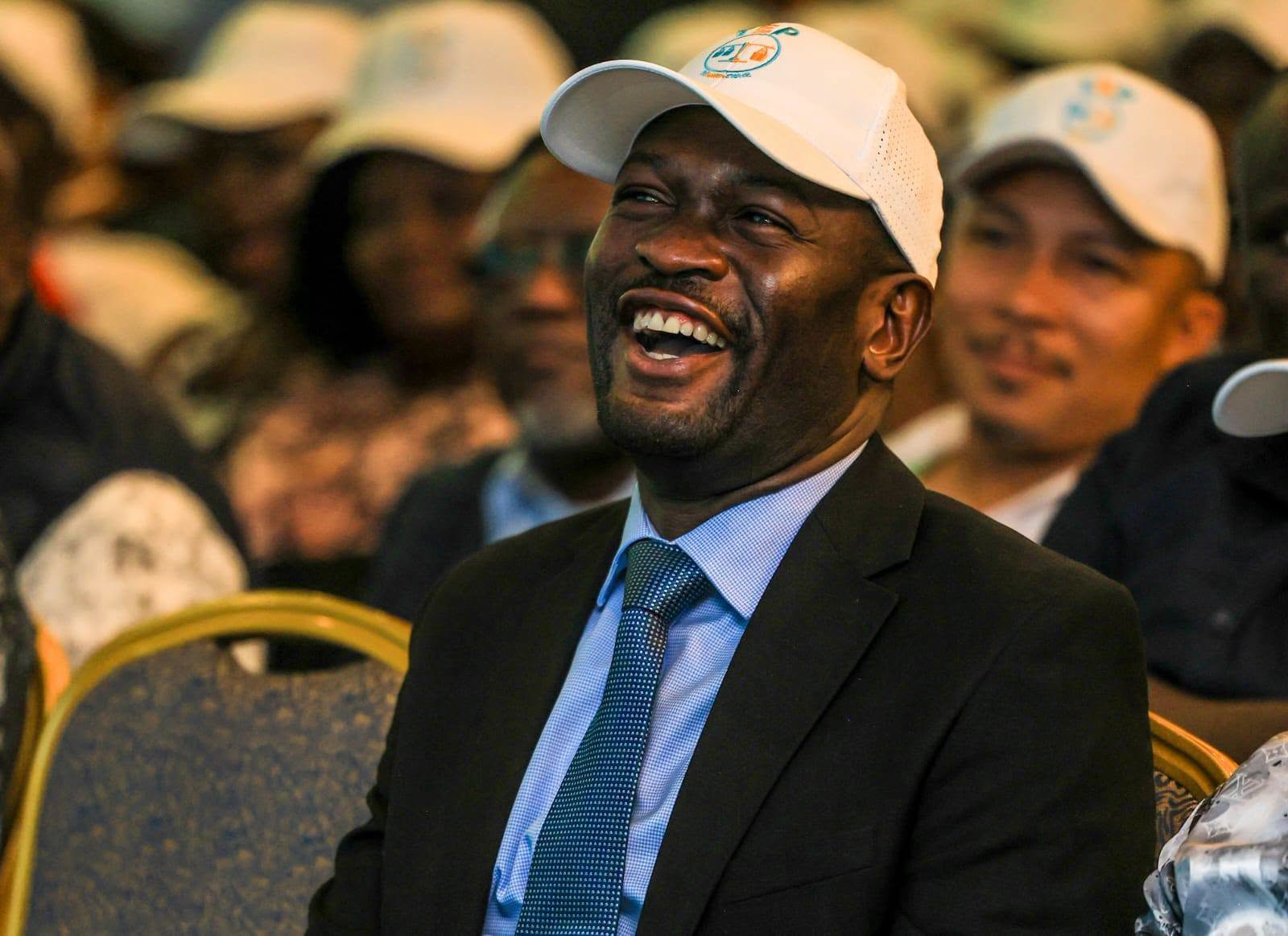
“Everybody knew what I said is true, because you don't shoot the messenger; you deal with the message,” Gachagua said while addressing his supporters in Boston.
The former Deputy President also criticised what he described as President Ruto’s previous warnings against electing unsuitable leaders, using the remarks to attack the President's record and political standing.
What is known about the Mrima Hill project
The controversy surrounding Mrima Hill predates Gachagua’s latest remarks.
Documents from the Ministry of Mining, Blue Economy and Maritime Affairs show that the government initiated a process to commercialise the deposits and invited expressions of interest from qualified mining operators for the Mrima Hill Niobium, Rare Earth Elements and Other Minerals Development Project. The ministry describes niobium and rare-earth elements as strategic minerals and says mineral rights are to be awarded through a public tender process under the Mining Act and related regulations.
The project covers approximately 31.9 square kilometres in Kwale County, according to the ministry's terms of reference. The document identifies niobium and rare-earth elements among the minerals targeted for development.
The proposed project has also attracted scrutiny in Parliament.
In August, a National Assembly debate raised questions about public participation and consultations with the Kwale County Government, Kaya elders, Community Forest Associations and other affected communities. MPs also sought information on environmental and cultural safeguards as well as benefit-sharing arrangements for local communities.
In April, Kwale County MP Fatuma Masito similarly sought clarification over the proposed exploration project, citing concerns among residents about possible displacement, environmental degradation, livelihoods and the sharing of revenues from the minerals.
Gachagua’s latest allegations therefore come amid an already active public debate over how Kenya should develop the Mrima Hill deposits and how local communities should be involved in the process.
Neither Gachagua’s allegation that the President sought to improperly obtain the minerals nor his claim that the alleged mining dispute caused Ruto’s response to the journalist has been independently established by the evidence cited above.
The dispute is likely to remain a subject of public scrutiny as questions continue over the proposed mining process, community participation, environmental safeguards and the eventual allocation of mineral rights.