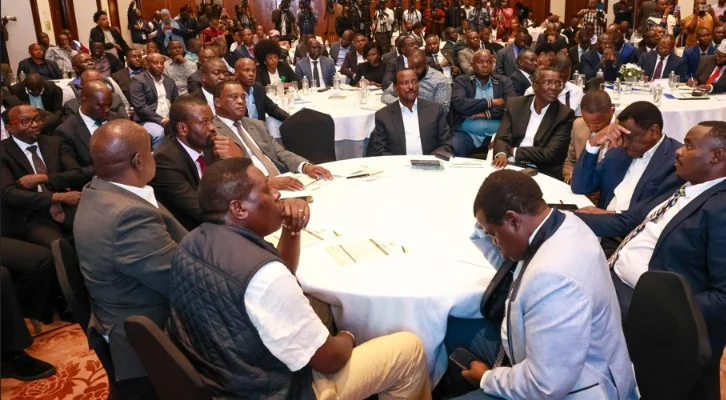
Opposition leaders have walked out of a meeting with the Independent Electoral and Boundaries Commission (IEBC), accusing the electoral agency of failing to address key concerns they consider critical to delivering free, fair and credible elections in 2027.
The confrontation on Thursday exposed growing divisions over the commission's preparedness for the August 10, 2027, General Election, with opposition leaders issuing an ultimatum and demanding four major electoral reforms.
Among their demands is the scrapping of Bomas of Kenya as the final presidential results tallying centre, alongside proposals for electronic voting for Kenyans living abroad, mandatory livestreaming of voting and vote counting, and a comprehensive clean-up of the national voter register.
ALSO READ
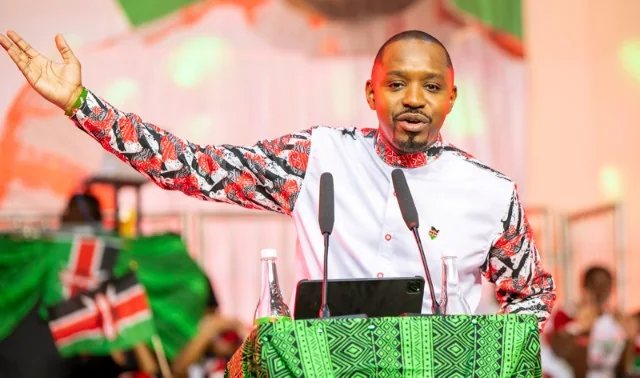
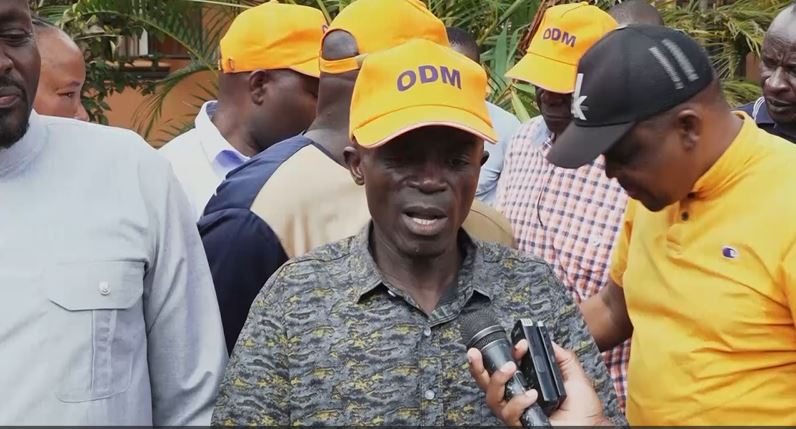
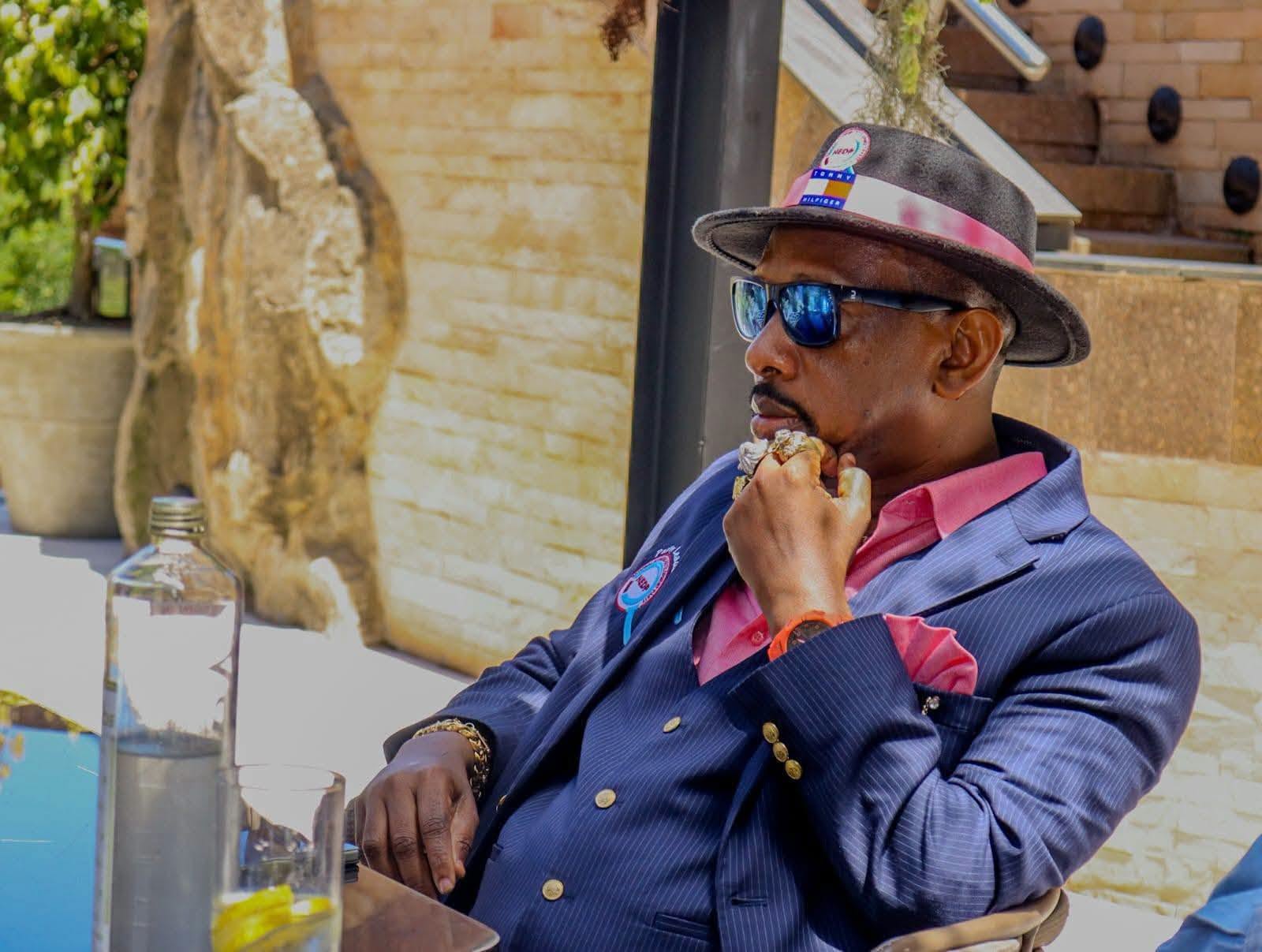
Wiper Patriotic Front leader Kalonzo Musyoka said opposition leaders had attended the meeting in good faith but were disappointed by the commission's response to their concerns.
“We came to the IEBC today in good faith, and we expected the same in return. Good faith is shown in deeds: an independent, impartial and prepared Commission. Today, we did not find it,” Kalonzo said.
He warned that the Opposition would not participate in any process that could legitimise what he described as a predetermined election.
Kalonzo insisted that every vote must be counted at the polling station, verified transparently and declared as cast, warning against any attempts to manipulate the electoral process.
“Kenyans deserve their voices to be heard and every vote counted at the polling station, verified in the open and declared as cast. Not manufactured. Not padded with the names of people who are not on the voter roll. Kenya deserves nothing less,” he said.
Former Deputy President Rigathi Gachagua also accused the IEBC of failing to adequately engage political stakeholders on issues surrounding preparations for the 2027 polls.
Gachagua said opposition leaders had repeatedly sought discussions and clarification on electoral preparedness but had received what he termed non-committal responses from the commission.
“The IEBC must know that election is about the people. We have on several occasions requested engagement and clarification of issues that the people of Kenya wanted addressed ahead of the 10th August 2027 polls, but IEBC has remained non-committal and unresponsive. This is a mockery of democracy and freedoms that the people of Kenya have fought for,” Gachagua said.
He warned that political leaders would resist what he described as public trickery by an electoral agency funded by taxpayers.
The opposition delegation included Dr Fred Matiang'i, Kalonzo Musyoka, Justin Muturi, Senator Edwin Sifuna, Jimmi Wanjigi, Eugene Wamalwa, Martha Karua, Cleophas Malala, Babu Owino, former Chief Justice David Maraga and Siaya Governor James Orengo.
Ruto tells opposition to stop disturbing IEBC
The meeting came amid political exchanges over the commission's preparedness, with President William Ruto criticising opposition leaders while addressing a gathering in Busia.
Ruto accused his political rivals of interfering with the IEBC's work and urged them to organise themselves before questioning the commission's activities.
“The work of the IEBC is to count votes. I want to tell you guys to stop disturbing the IEBC. The IEBC does not have votes,” the President said.
He also took aim at opposition leaders over their political activities, saying they should first settle on a presidential candidate rather than moving from one meeting to another.
Meanwhile, United Democratic Alliance (UDA) chairperson Cecily Mbarire also criticised the commission's handling of the meeting, accusing it of allowing political leaders to be embarrassed and harassed.
“Take charge, IEBC. We are here to register our displeasure. It is only those who are supposed to be in the meeting. When we come here, we are equal as political leaders. Treat us as equals. Don’t expose us to embarrassment and harassment,” Mbarire said.
IEBC chairperson Erastus Ethekon regretted the opposition walkout, maintaining that the information presented during the meeting was intended to demonstrate the commission's level of preparedness.
He said those who remained in the meeting had received information that could help build confidence in the commission's readiness for the elections.
“We hear a lot about the IEBC’s preparedness. Based on the information we have provided today, I believe those of us who have stayed back to listen have at least some 50 per cent level of confidence or comfort ... unfortunately, a section of our party leaders walked out,” Ethekon said.
Four electoral reforms demanded by opposition
At the centre of the disagreement are four proposals that opposition leaders want addressed before the 2027 General Election.
1. Scrapping Bomas as the final presidential tallying centre
The opposition wants Bomas of Kenya removed as the final point for handling presidential election results.
Under their proposed arrangement, presidential results declared at constituency tallying centres would be final, while the national tallying centre would only receive, aggregate and announce results already declared at the constituency level.
The coalition argues that this would strengthen transparency by ensuring that the results are concluded and declared at the constituency level.
2. Electronic voting for Kenyans abroad
The opposition is also pushing for electronic voting for Kenyans living outside the country.
The leaders cite an estimated 1.4 million Kenyans in the diaspora and argue that electronic voting would make it easier for more citizens abroad to participate in the elections.
3. Mandatory livestreaming of voting and counting
The coalition wants livestreaming of voting and vote-counting processes made mandatory to enhance transparency and allow the public to follow electoral activities.
4. Cleaning up the voter register
Opposition leaders have also demanded a comprehensive audit of the national voter register to remove duplicate entries, deceased persons and ineligible voters while ensuring all eligible Kenyans are registered.
The standoff comes as preparations for the 2027 General Election continue, with disagreements over electoral reforms threatening to trigger further political and legal disputes.
Whether the IEBC will adopt the proposals or how the disagreements will be resolved remains a key question as the country moves closer to the next General Election.