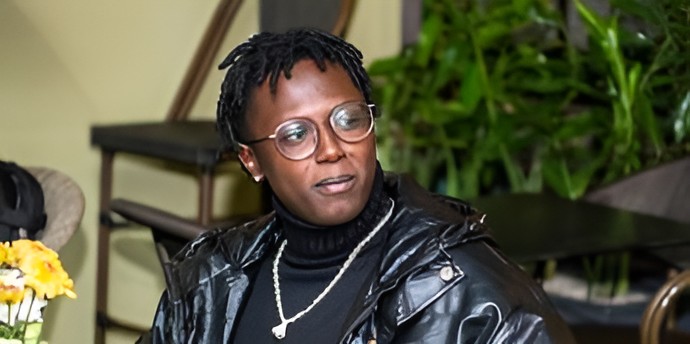
Kenyan Gengetone artiste Fathermoh has secured a legal victory after the High Court lifted orders that had temporarily stopped the Copyright Tribunal from hearing his Sh87 million copyright dispute with former record label Black Market Records.
The ruling, delivered on November 9, 2026, also allows fellow musician Harry Craze to proceed with his separate copyright claim against the US-based record label.
The decision followed a challenge by Black Market Records and its representative, Cedric Singleton, who had questioned the Copyright Tribunal's authority to handle the disputes and sought to have the proceedings stopped.
ALSO READ
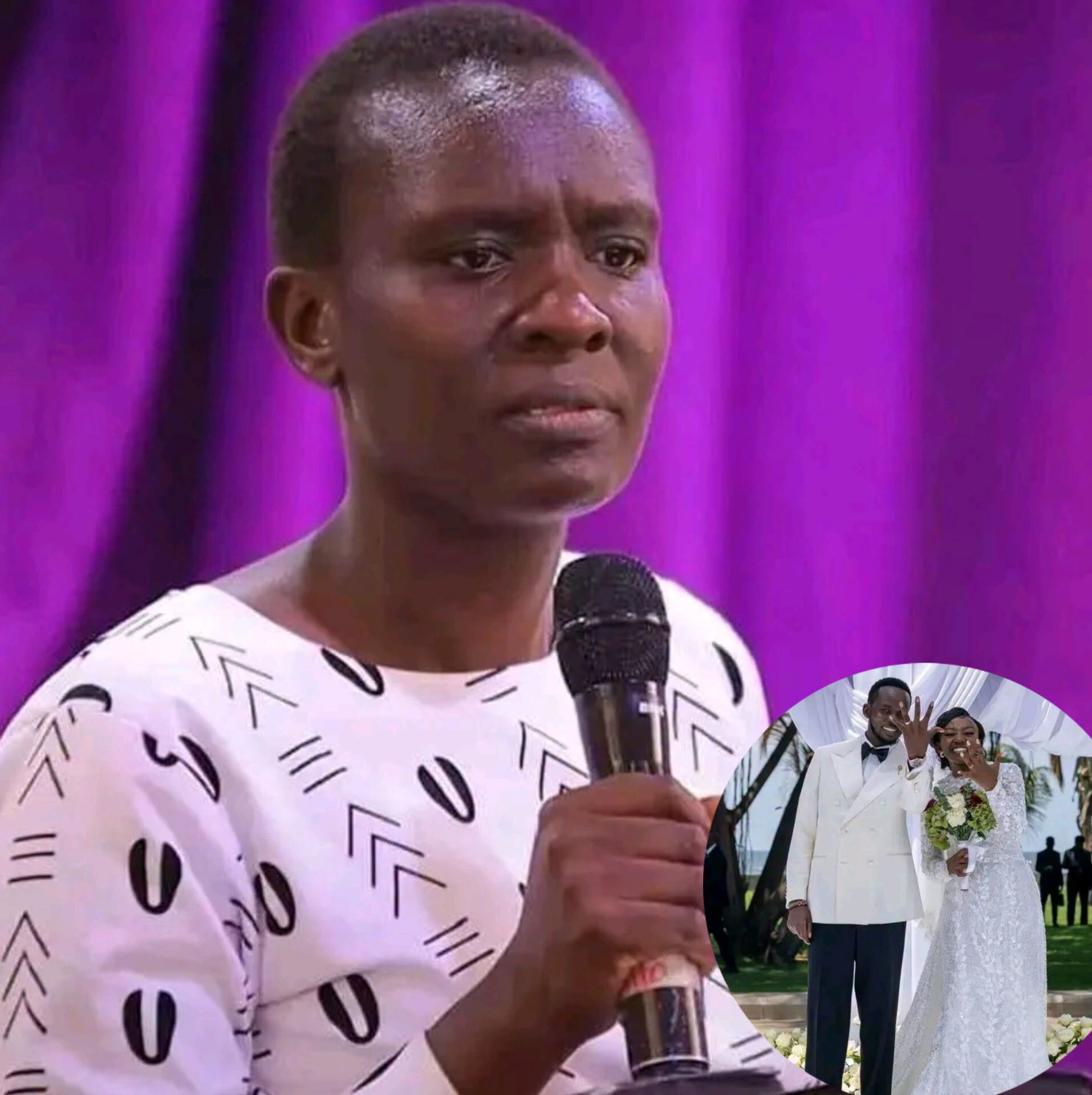


The label had obtained temporary orders on September 29, 2026, effectively halting the tribunal proceedings as it pursued its challenge before the High Court.
However, Fathermoh and Harry Craze opposed the application, arguing that the label had failed to disclose important information when seeking the initial orders.
The High Court subsequently set aside the orders after finding that material information about earlier proceedings and appeals had not been fully disclosed. The court also struck out the label's application seeking to stop the tribunal from handling the cases.
Fathermoh, whose real name is Moses Otieno Ojwang, filed his copyright claim against Black Market Records over alleged unlawful exploitation and monetisation of his music.
The artiste accuses the label of infringing his copyright, interfering with his control over his music catalogue and failing to account for earnings generated from his works.
He is seeking approximately Sh87 million in compensation arising from the dispute.
The disagreement is linked to an agreement signed between the parties on November 9, 2019, and concerns the ownership, commercial exploitation and management of musical works.
Black Market Records, owned by US music executive Cedric Singleton, has disputed the allegations and maintained that it remains operational and in good standing.
Fathermoh is not the only artiste seeking legal redress against the label.
Harry Craze, whose real name is Harry Otieno Adoyo, has filed a separate claim concerning musical works including Matopare, Luku Ni Pyam and Diglo.
The two musicians challenged the label's attempt to stop the Copyright Tribunal from hearing their cases, arguing that the tribunal should be allowed to determine the copyright disputes under its statutory mandate.
The High Court's decision clears the way for both claims to proceed before the specialised tribunal.
The ruling reinforces the role of the Copyright Tribunal in handling disputes involving copyright ownership, infringement, royalties and compensation.
The court's decision also means the label's challenge will no longer prevent the tribunal from hearing the musicians' claims.
However, the ruling does not settle the underlying dispute or establish whether Black Market Records unlawfully exploited the artistes' music.
Those questions, including ownership of the disputed works and any compensation that may be payable, remain for determination by the Copyright Tribunal.
The decision marks an important development in the dispute, giving Fathermoh and Harry Craze an opportunity to pursue their claims through the tribunal process.