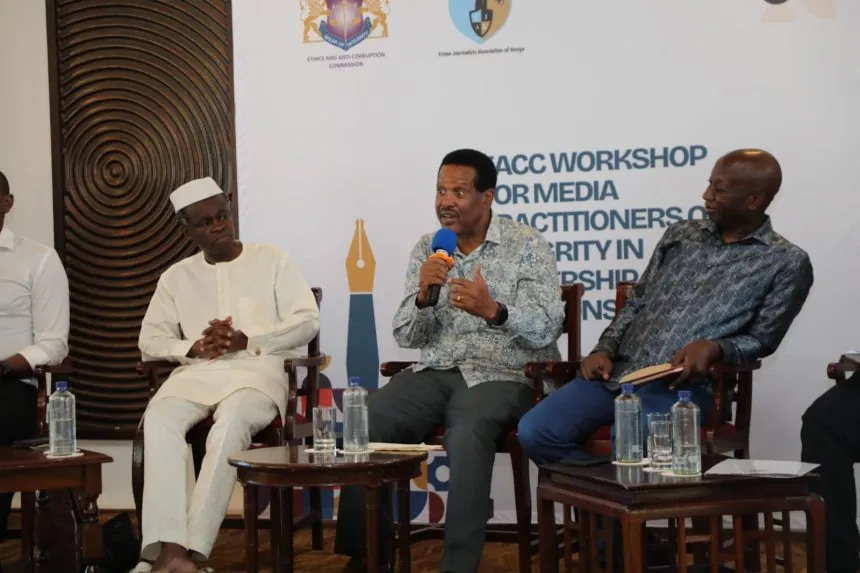
The Ethics and Anti-Corruption Commission (EACC) is preparing to roll out a nationwide public awareness campaign to educate Kenyans on the ethical and moral standards expected of individuals seeking elective positions in the 2027 General Election.
The campaign will focus on promoting integrity in leadership, responsible citizenship and informed voter choices as the country prepares for the next polls.
Speaking during a workshop for media practitioners on integrity in leadership and elections in Mombasa, EACC Chief Executive Officer Abdi Mohamud said the Commission would establish reporting desks to receive complaints relating to ethical violations and electoral malpractice.
ALSO READ
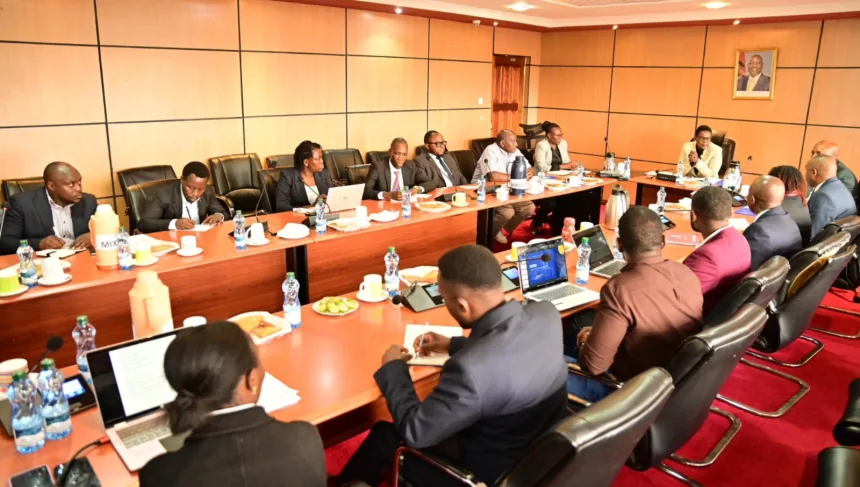
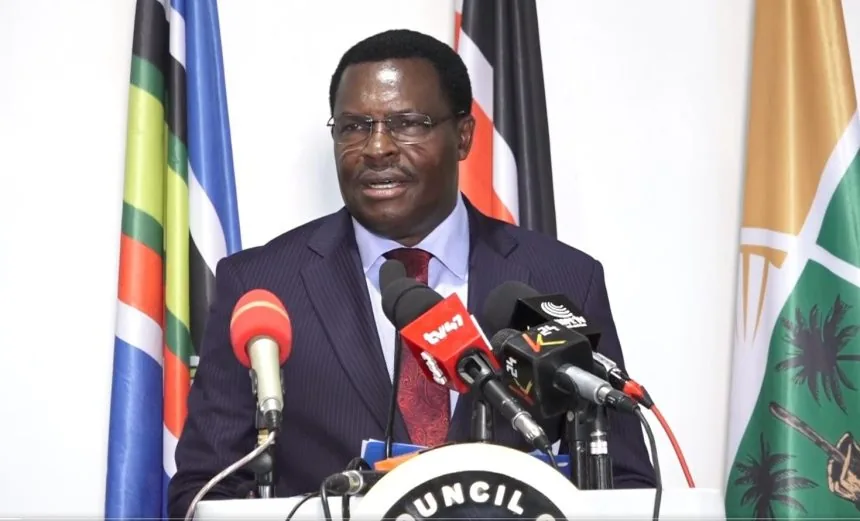

The reporting channels will cover offences such as voter bribery and the participation of public officers in political campaigns in violation of the law.
The Commission said the campaign would empower voters, particularly members of the public, to make informed decisions at the ballot and encourage the enforcement of integrity requirements for those seeking elective office.
“Through this campaign, we intend to promote awareness of the constitutional requirements for leadership, responsible citizenship, peaceful participation in elections and the importance of electing leaders of integrity,” the Commission said.
Mohamud clarified that EACC does not have the mandate to bar candidates with integrity concerns from contesting elections or holding public office.
He explained that the responsibility for determining candidates' eligibility rests with the Independent Electoral and Boundaries Commission (IEBC).
“EACC plays a critical role in the election by virtue of our mandate under Chapter Six of the Constitution. We have, however, observed, judging from public sentiments and court decisions, that our role in elections has neither been properly understood nor appreciated,” he said.
In a speech read on his behalf by EACC Director of Ethics and Leadership Pascal Mweu, Mohamud said the Commission provides recommendations on candidates' suitability based on constitutional requirements and parameters agreed upon with the IEBC.
The Commission raised concerns over challenges in enforcing Chapter Six of the Constitution, which sets integrity, competence and suitability standards for individuals seeking public office.
It cited figures from previous elections, noting that only five out of 241 individuals whose records were submitted to the IEBC were disqualified during the 2022 General Election. During the 2017 elections, 106 names were flagged.
“We receive upwards of 20,000 self-declarations from persons seeking nomination as candidates. We have partnered with the IEBC in developing criteria for integrity verification and have sent reports in the 2017 and 2022 General Elections containing recommendations on persons whom the Commission considers not eligible for election,” Mohamud said.
Mohamud said the Commission would investigate allegations of electoral bribery, gather evidence and pursue prosecution where appropriate.
He added that evidence could also be presented before courts in the event of election petitions.
The EACC chief executive further cautioned public officers against participating in political campaigns in violation of the Conflict of Interest Act, warning that those found culpable could face legal action, including criminal prosecution.
EACC Commissioner Col. (Rtd) Alfred Mshimba said integrity should be assessed more broadly than whether an individual had been arrested, charged or convicted.
“Our position has always been that integrity must be construed more broadly. We cannot reduce the question of suitability for public office to whether someone has been arrested, charged and convicted. Leadership is also about character, honesty, accountability and respect for the law,” Mshimba said.
He challenged political parties to take greater responsibility for ethical leadership by ensuring that constitutional standards on morality, integrity and leadership guide their nomination processes.
Mshimba also questioned whether institutions and the country were doing enough to ensure integrity received adequate attention when electing leaders.
The Commission pledged to work with the IEBC, the National Cohesion and Integration Commission (NCIC) and other investigative agencies to address electoral corruption, violence and other offences within their respective mandates.
It also urged the IEBC to work with relevant institutions and consider credible information relating to the suitability of individuals seeking elective positions, in accordance with the law.
The media was also recognised for its role in shaping public debate, exposing wrongdoing and holding individuals and institutions accountable as the country approaches the 2027 General Election.