Turkana County has extended its Ebola Virus Disease (EVD) preparedness activities to October 31, 2026, following a series of health worker sensitisation and training sessions conducted in Lodwar and Kakuma.
The preparedness programme, which was initially scheduled to run until September 30, has been extended as health authorities continue to strengthen surveillance, infection prevention and community awareness. Further extension remains possible, according to the county government.
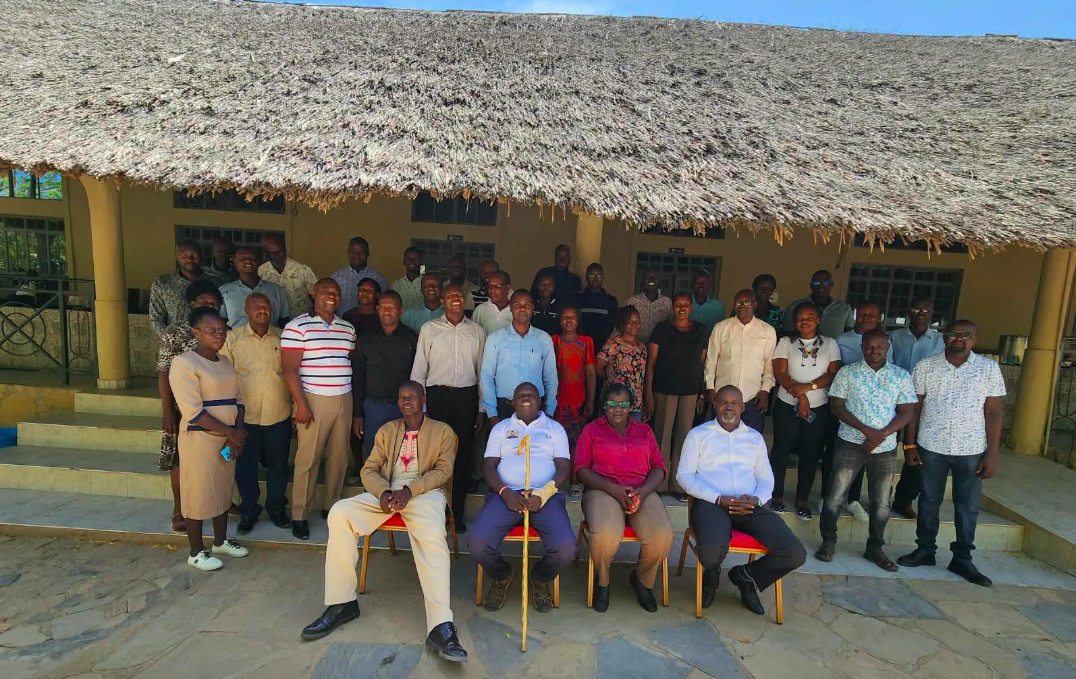
The latest five-day sensitisation trainings brought together county and sub-county health management teams from all 12 sub-counties. Participants included medical officers, health promotion officers, community health strategy focal persons, health records and information officers, public health officers and public health nurses.
The sessions were conducted in collaboration with Amref Health Africa through its Imarisha Jamii programme and the International Rescue Committee’s Core Group Partners Project (CGPP).
Health officials said Uganda being declared Ebola-free does not eliminate the possibility of imported cases, particularly given Turkana’s location along three international borders with Uganda, Ethiopia and South Sudan.
Turkana is among 12 counties classified as very high risk for Ebola Virus Disease, according to the county government. The county also hosts more than 300,000 refugees in Kakuma and Kalobeyei, while a highly mobile pastoralist population and movement across borders create additional challenges for disease surveillance.
Nicholas Kurgat, a Risk Communication and Community Engagement expert at the Kenya National Public Health Institute, said Kenya remains exposed to the possibility of imported cases because of its proximity to the Democratic Republic of Congo and continued travel and trade.
“Despite setting up designated screening centres at the various points of entry in Turkana, the porous nature of our border still exposes Turkana to imported cases,” Kurgat said.
Turkana Chief Officer for Preventive and Promotive Health Services Agnes Mana urged health teams to strengthen prevention measures and ensure communities receive accurate information about Ebola and other health risks.
She called on health workers to build the capacity of Community Health Promoters and strengthen supervision at health facilities.
“We are the agents of change and we need to actively share valuable information through first building the capacities of our community health promoters,” Mana said.
She added that health facilities should remain prepared while taking measures to minimise the possibility of contamination.
Training health workers across Turkana
According to Rotich Kipkorir, Deputy Director for Strategic Health Programs and the county's EVD focal person, the preparedness programme began with national-level training of trainers before the information was cascaded to Turkana.
The county first conducted a virtual session covering all EVD preparedness pillars for 303 health workers from the 12 sub-counties. Risk mapping was then carried out to identify priority areas.
The subsequent training included about 57 members on viral haemorrhagic fevers, 48 rapid response team officers, 48 frontline workers, 45 surge team members and 30 officers involved in safe and dignified burials.
The latest sensitisation sessions brought together 50 county and sub-county health management team members in Lodwar and 52 in Kakuma.
The training covered surveillance, case management, mental health and psychosocial support, laboratory services, infection prevention and control, and risk communication and community engagement.
Strengthening community surveillance
Turkana has also conducted a series of community and stakeholder engagements as part of its preparedness measures.
These have included a governance committee meeting for the county executive management, RCCE forums involving leaders of 75 key vulnerable population groups and 175 special population groups in areas including Lokichoggio, Turkana West, Aroo, Turkana Central and Lokiriama.
Five-day village baraza engagements were also held in priority sub-counties, with each forum bringing together about 60 participants. A cross-border technical session involving 60 frontline healthcare workers was also conducted.
Marcomic Maragia, manager of the County Public Health Emergency Operations Centre, said disease surveillance requires participation from both health workers and communities.
“Together with our communities, we are all surveillance officers,” Maragia said, adding that community participation is important in detecting and responding to health risks and disease outbreaks.
The county is also incorporating a One Health approach into preparedness activities, recognising the links between human, animal and environmental health.
Officials identified factors including ecological changes, international travel and trade, population movement and behaviour, climate change, land use, agricultural practices and environmental changes as issues that can influence health risks.
Amref calls for continued vigilance
Anthony Arasio, Turkana County Focal Person at Amref Health Africa, said Uganda's Ebola-free status should not lead to a reduction in preparedness activities.
He said Turkana's cross-border movement, pastoralist mobility and history of imported infectious diseases meant that continued risk communication and community engagement remained important.
“Turkana County, with its porous borders, high cross-border pastoralist movement, and history of importation of diseases, cannot afford to lower its guard,” Arasio said.
He described continued risk communication and community engagement as a preparedness measure rather than a response to an active outbreak elsewhere.
Health officials also stressed the importance of using verified information and addressing misinformation.
Ruth Areman, the County Health Promotions Coordinator, said risk communication should involve listening to communities, building trust and responding to concerns rather than simply distributing health messages.
She urged health workers to communicate in locally understood languages, work with trusted community leaders and identify vulnerable, mobile and hard-to-reach populations.
Community Health Services Coordinator Maximilla Mana said Community Health Promoters have an important role in early detection and referral.
She said CHPs should be supported to conduct community-based surveillance, raise timely alerts and use rapid referral systems while helping communities understand prevention measures and counter misinformation and stigma.
Emphasis on infection prevention
Infection prevention and control was another major focus of the training.
Turkana County IPC Coordinator Mary Loter said health workers and communities should follow standard infection prevention precautions whether or not there is an active outbreak.
She emphasised hand hygiene, appropriate use of personal protective equipment and environmental disinfection as measures that can help reduce the risk of infection.
Turkana North Medical Officer of Health Joel Lochor said early engagement with communities can help improve understanding of Ebola risks and encourage preventive behaviour.
At the sub-county level, Lokichoggio Health Promotions Officer Trizer Nanok said the training had strengthened her understanding of approaches that can be used to promote preventive behaviour in the community.
The preparedness programme is being supported by Amref Health Africa, the International Rescue Committee, FHI 360 through STRIDES and the Centre for Health Solutions, with funding from the United States Department of State.
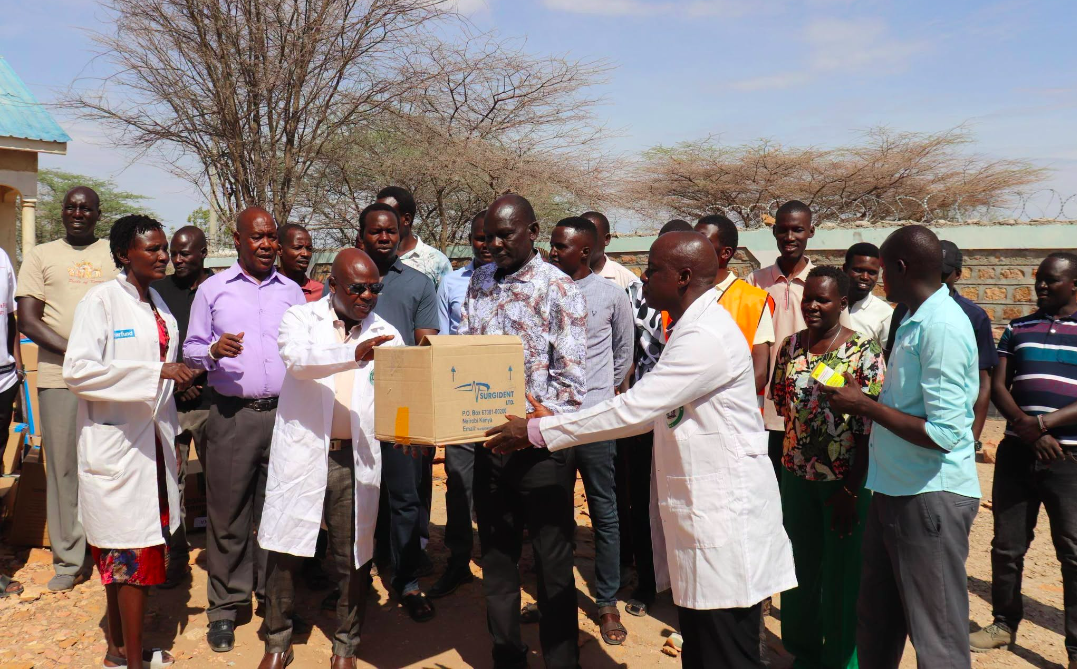
Amref is supporting surge capacity, infection prevention and control, risk communication and community engagement, as well as stakeholder engagement and screening equipment. IRC is supporting capacity building and water and solar installations at the Public Health Emergency Operations Centre.
FHI 360 through STRIDES is supporting the establishment and furnishing of the PHEOC, while the Centre for Health Solutions is supporting sample referral.
The county says the continued preparedness measures are intended to strengthen early detection, infection prevention, community awareness and rapid response should a suspected Ebola case or other public health emergency be identified.