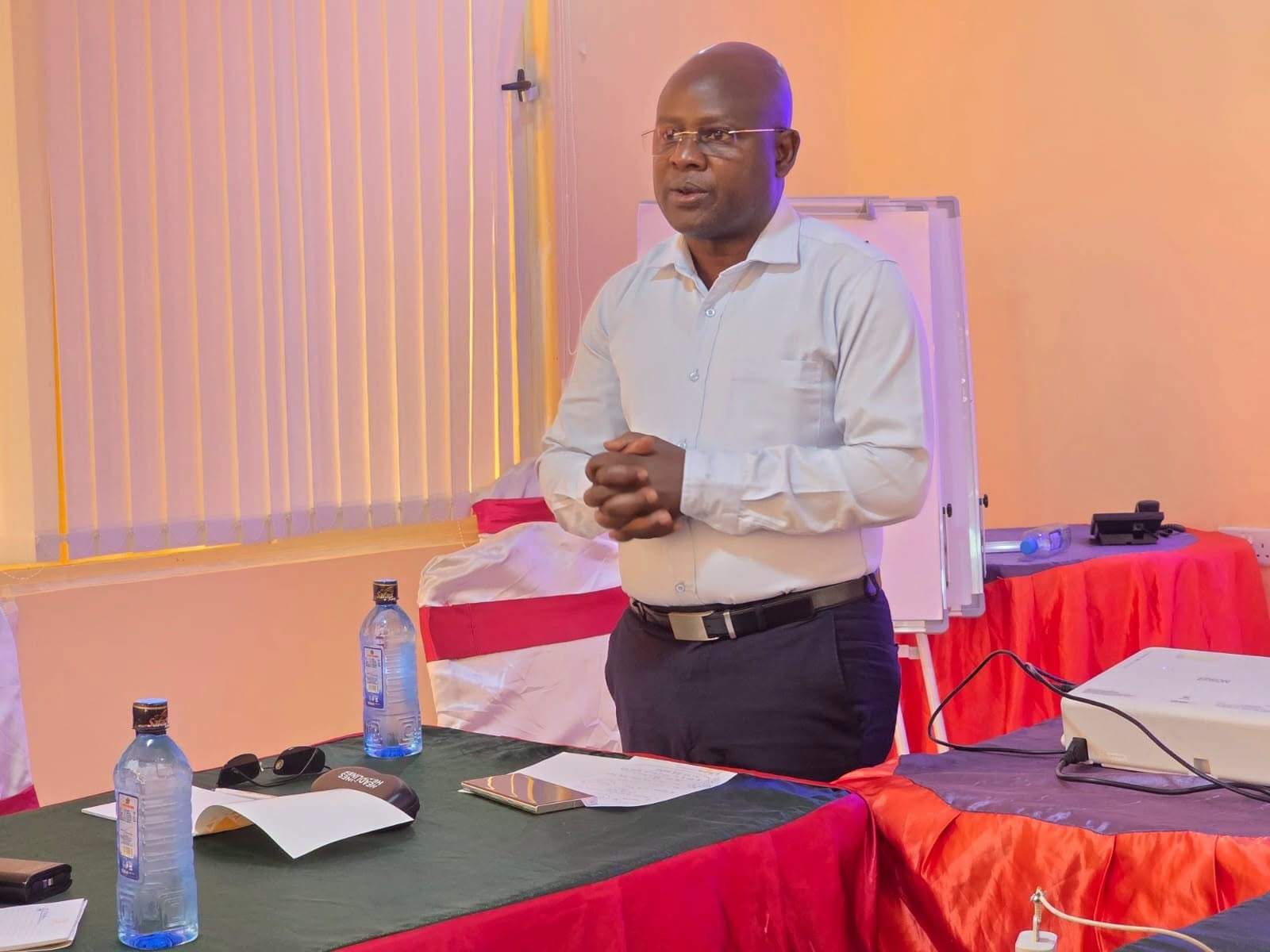
The Turkana County Government has formally commenced the development of its Fourth Generation County Integrated Development Plan (CIDP), which will guide the county's development agenda for the 2028–2032 period.
Deputy Governor Dr John Erus said the new plan would prioritise programmes and interventions aimed at reducing poverty and improving the livelihoods of residents.
Speaking during a workshop attended by state and non-state actors from various sectors, Dr Erus said the upcoming CIDP would build on the achievements and priorities of the Third Generation plan while placing greater emphasis on addressing high poverty levels in the county.
ALSO READ

The Third Generation CIDP, whose implementation period ends in 2027, was guided by the Governor's nine-point agenda.
"The Third Generation CIDP, whose implementation period ends in 2027, was guided by the Governor's nine-point agenda. The upcoming Fourth Generation will incorporate the same and lay emphasis on programs that address the challenge of high poverty levels in Turkana," Dr Erus said.
He noted that the county had identified key value chains that could help residents create wealth, improve their economic circumstances and become more self-reliant.
"As we begin the journey to a new CIDP by the end of 2027, the County Government aims to exploit all avenues to ensure more residents attain higher levels of self-reliance, accompanied by an increase in Own Source Revenue (OSR) for the County," he said.
Lake Turkana's economic potential
Dr Erus cited preliminary findings by UNESCO indicating that Lake Turkana and the wider fisheries value chain could generate up to KSh2.9 billion in annual Own Source Revenue.
He said the potential could increase through investments in the emerging lake transport system, upcoming fish markets and partnerships aimed at developing Turkana's blue economy.
The Deputy Governor also emphasised the importance of using the existing county spatial plan to establish economic zones that would allow residents to benefit from land ownership and access financing for starting or expanding commercial ventures.
Village-level consultations planned
Finance and Economic Planning County Executive Committee Member Roseline Aite said the county had adopted a new approach to preparing the development plan by incorporating village-level consultations.
She said the consultations would provide grassroots communities with an opportunity to contribute their views and ensure that the final document reflects their development priorities.
Aite also appealed to development partners to support the process, citing the significant financial resources required to prepare the plan.
Chief Officer for Economic Planning Ekaale Ekitela echoed the call for stakeholder support, saying the objective was to develop a document that captures the aspirations of grassroots communities while advancing the county's ambition to tackle poverty.
Sh55 million estimated cost
County Economist Jane Malala said the process, from preparation to validation, is expected to take 18 months, running from October 2026 to March 2028.
She put the estimated cost of developing the Fourth Generation CIDP at approximately KSh55 million.
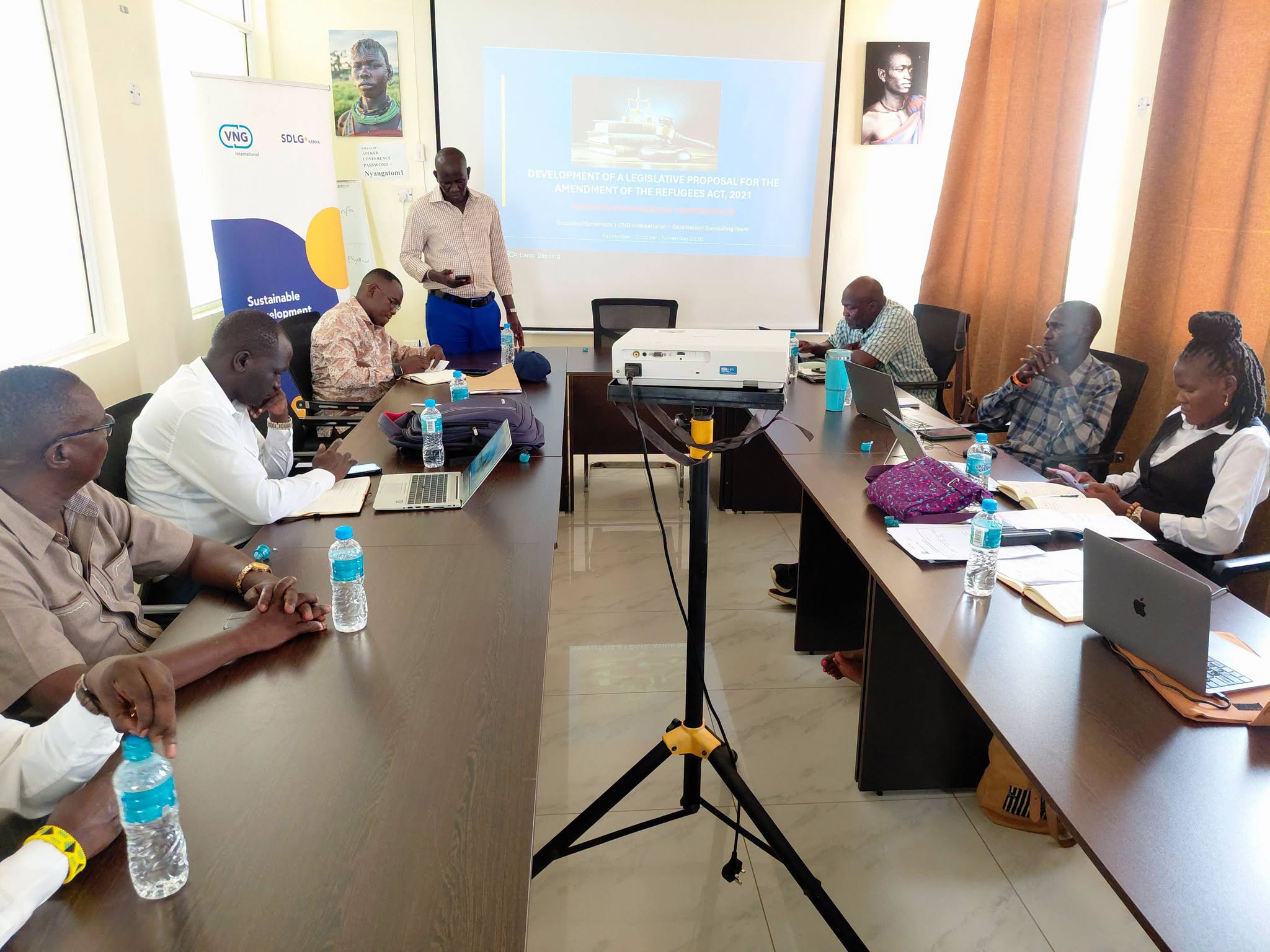
County officials present included Directors Ronald Erukan of Administration, Raphael Logum of Resource Mobilisation, Francis Lokwar of Planning and Francis Abongo of the County Assets Unit. Economists Apenyu Imana and Paul Ipulo also attended.
Representatives from development partners and humanitarian organisations, including ADRA, UNRCO, UNHCR, UNICEF, Save the Children, IOM, WFP, PWS, HI and the Kenya Red Cross Society, participated in the workshop.
The Fourth Generation CIDP is expected to provide the county with a development framework for the 2028–2032 period, setting out priorities for poverty reduction, economic growth, service delivery and increased local revenue.