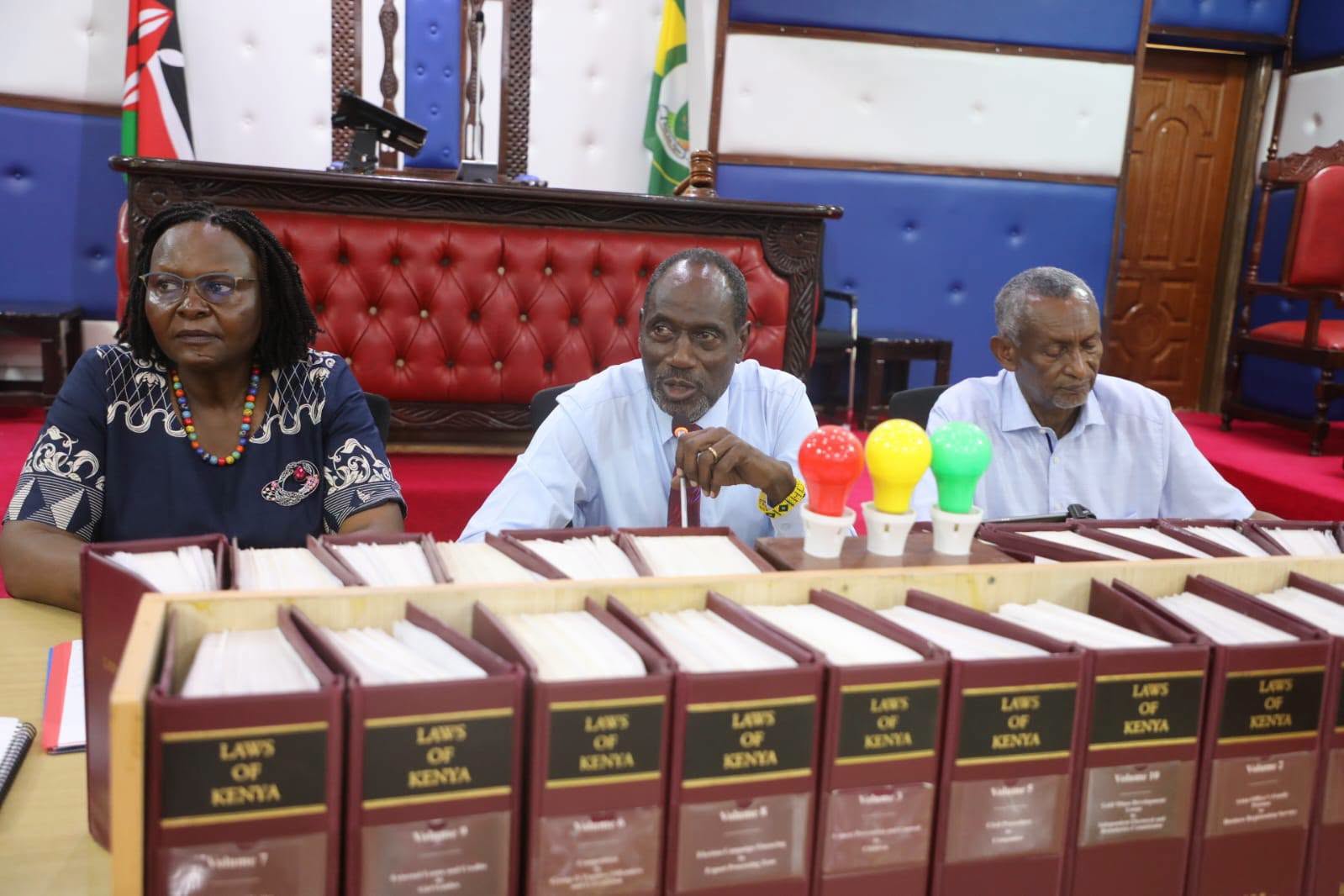
The County Assembly of Turkana has raised concerns over delays in the disbursement of Equalisation Fund resources, saying the delays have affected the implementation of development projects targeting marginalised communities.
The concerns were raised during a meeting between the Assembly, the Commission on Revenue Allocation (CRA) and the Equalisation Fund Advisory Board, which visited the county to review the implementation of the Second Policy on Marginalisation.
The delegation was led by CRA representative CPA Mary Chebukati and accompanied by Equalisation Fund Advisory Board Chairperson Amb. (Eng.) Mahboub M. Maalim. The team was received by Turkana County Assembly Speaker Charles Lokioto Ewoi.
ALSO READ
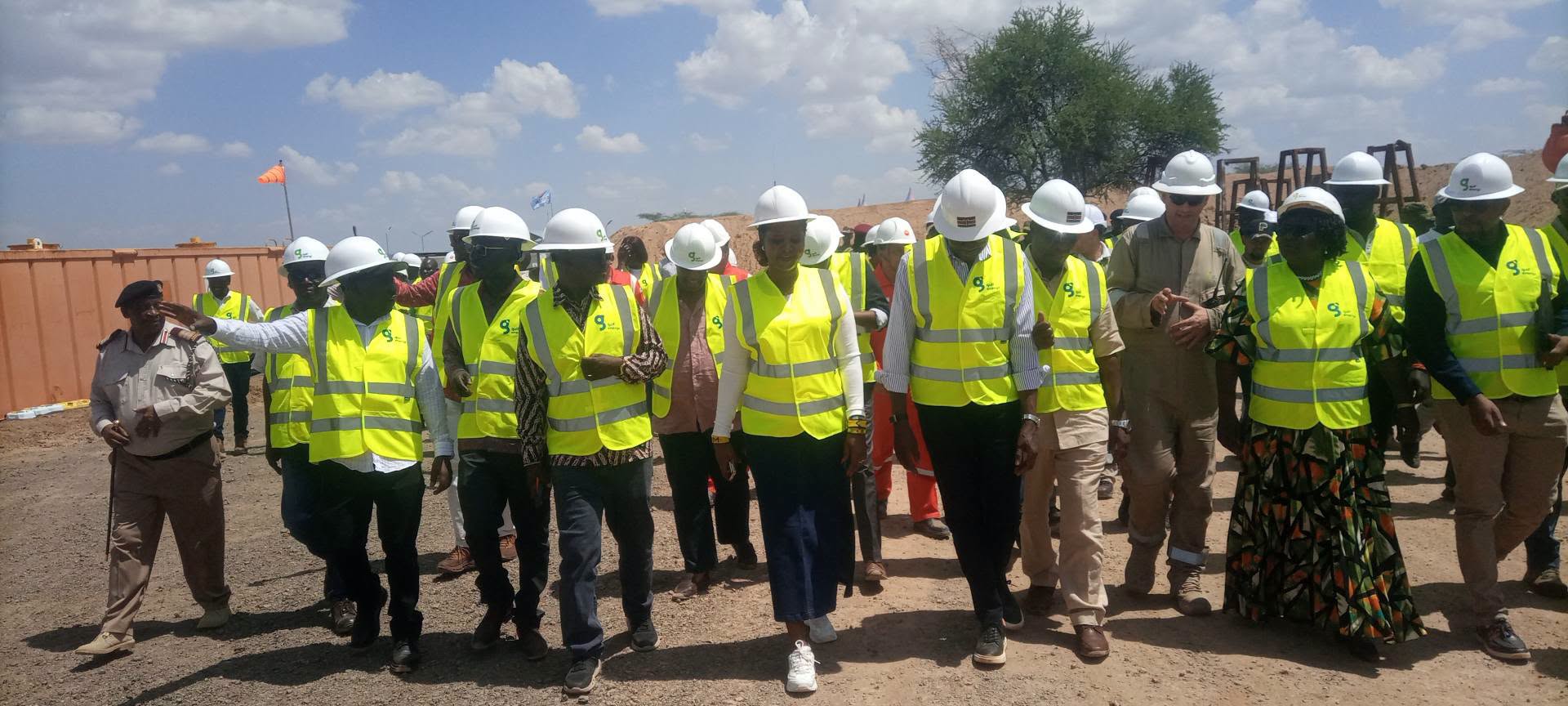
During the discussions, Members of the County Assembly acknowledged ongoing and completed projects funded through the Equalisation Fund under Article 204 of the Constitution of Kenya.
However, they highlighted challenges affecting the implementation of the Fund, particularly delays in the release of money from the National Exchequer, which they said had slowed down the timely execution of planned projects.
Assembly Questions Status of Stalled Projects
The legislators emphasised the need to prioritise sustainable projects capable of delivering long-term benefits to communities in marginalised areas.
They also raised questions about projects that have remained stalled since 2015, seeking clarification on their current status and the measures being considered to address implementation bottlenecks.
The members called for stronger monitoring and evaluation mechanisms, improved accountability and interventions to fast-track the completion of delayed projects.
Speaker Calls for Transformative Investments
In his closing remarks, Speaker Charles Lokioto Ewoi urged the Commission on Revenue Allocation and the Equalisation Fund Advisory Board to prioritise large-scale, transformative projects that could benefit wider populations across targeted sub-counties.
He also proposed the establishment of schools in border counties, saying the investments could improve access to education while promoting peaceful coexistence and stronger relations among neighbouring communities.
The engagement formed part of the Commission's consultations with counties classified as marginalised as it reviews the Second Policy on Marginalisation and gathers views from stakeholders on the implementation of the policy.
The discussions highlighted the importance of timely funding, effective project oversight and prioritising investments that address the long-term development needs of marginalised communities.