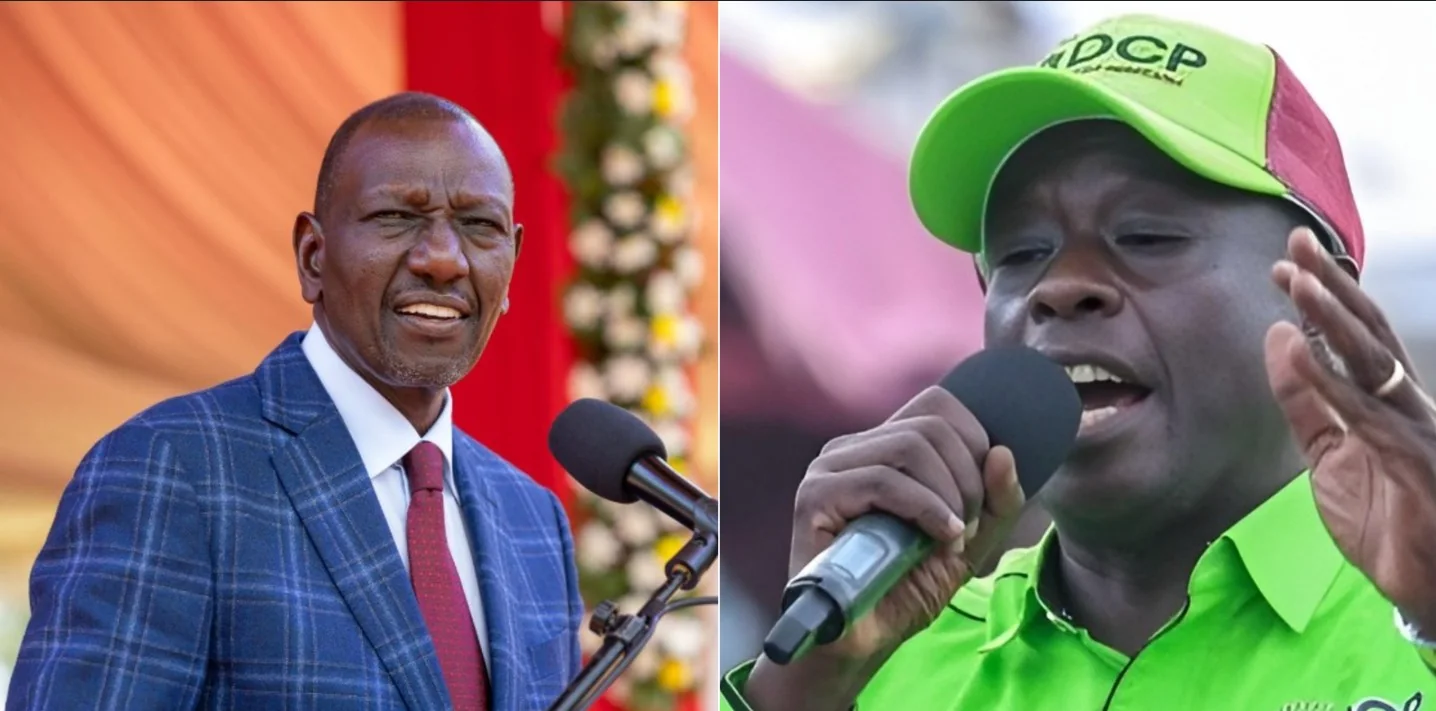
President William Ruto has launched a fresh attack on his former Deputy President Rigathi Gachagua, accusing him of allegedly demanding millions of shillings from politicians seeking elective positions through the Democracy for the Citizens Party (DCP).
Speaking on Monday, November 9, 2026, during the launch of the Riamoni-Nyangori Road and Last Mile Connectivity project in Kitutu Masaba, Nyamira County, Ruto described Gachagua as a “chief extortionist” and claimed that aspirants were being required to pay large sums of money to secure political opportunities within his party.
The President alleged that some politicians, including gubernatorial aspirants, had been asked to part with millions of shillings. He also claimed that individuals seeking an opportunity to speak at Gachagua’s political gatherings were required to pay Sh50,000 to access a microphone.
ALSO READ
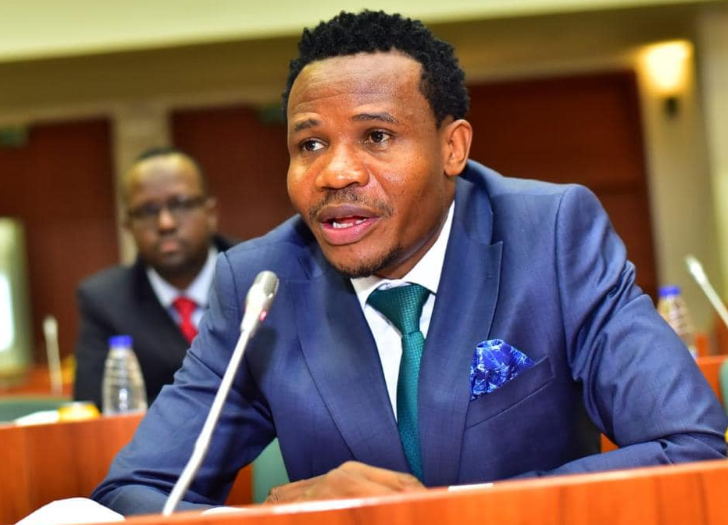
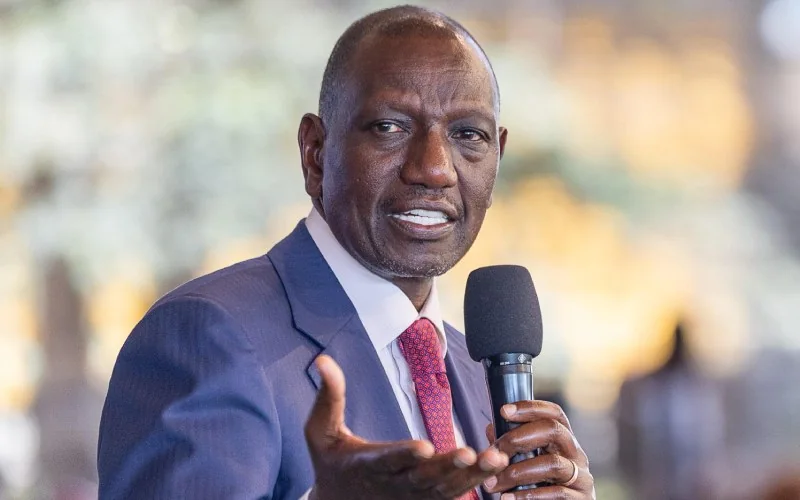
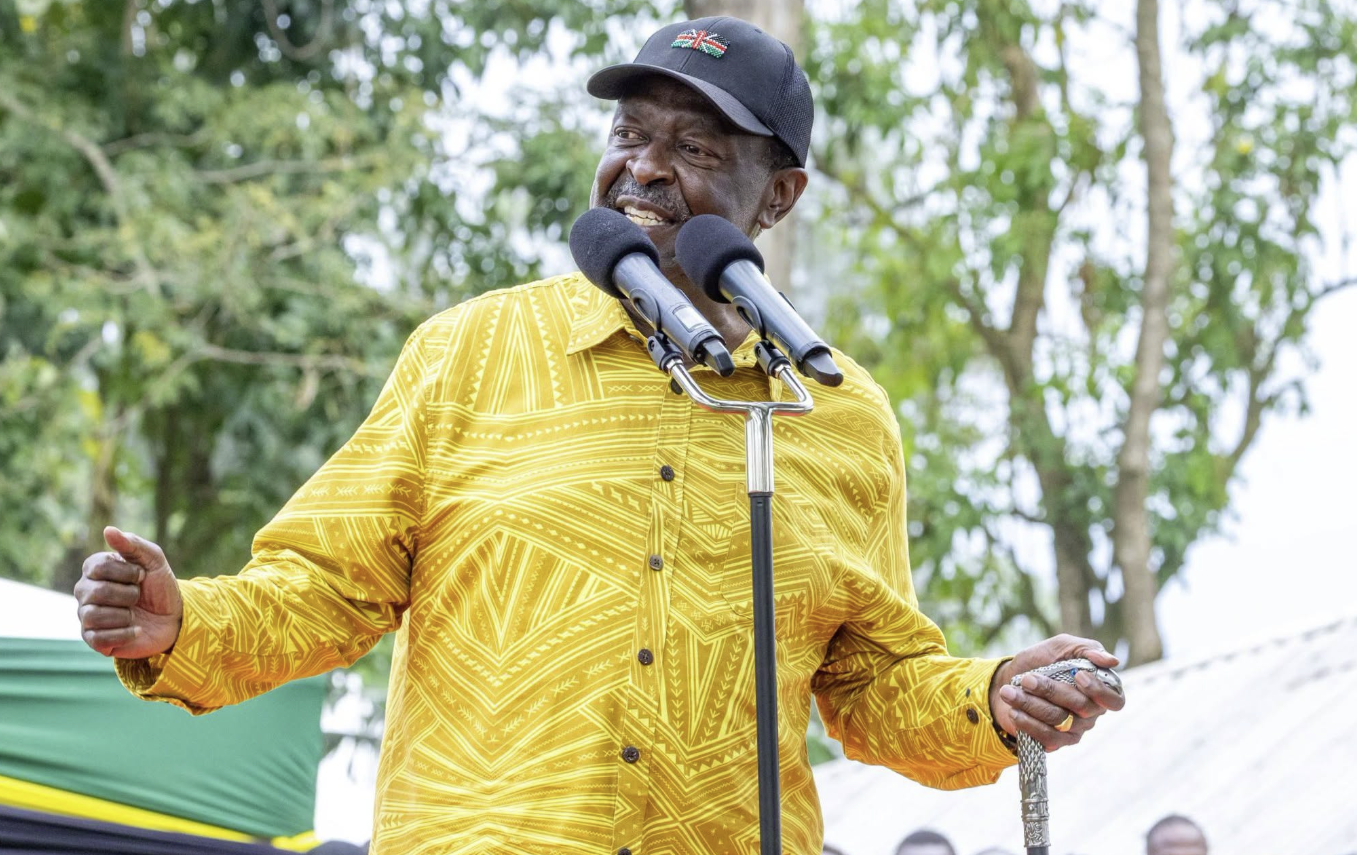
“Mr Texas, you are the chief extortionist. You were fired from work because of extortion. You have troubled business people with extortion. You have troubled candidates of your party with extortion. Every person who comes to you must give money,” Ruto said.
He further alleged that one governor was expected to give Sh10 million while another was required to pay Sh20 million, adding that he did not know how much other political aspirants were being asked to contribute.
The allegations were made during the President’s tour of the Gusii region, where political competition has intensified as leaders position themselves ahead of the August 2027 General Election.
Ruto also dismissed Gachagua’s repeated claims that he played a decisive role in securing his victory in the 2022 presidential election.
The President challenged the former Deputy President to stop taking credit for his election, insisting that he personally campaigned across the country to win the presidency.
“Then he goes around everywhere saying, ‘I am the one who made Ruto president.’ I want to ask you people of Kisii, didn't you welcome me when I stood here and asked for votes?” Ruto posed.
“You did not make me president in 2022. I traversed the entire country, asking Kenyans to vote for me. You are a ‘wantam’ MP, while I have been elected seven times,” he added.
The Head of State also took issue with Gachagua’s remarks concerning Kenyans attending government political meetings.
Ruto accused his former deputy of looking down on citizens by suggesting that residents were being paid to attend government gatherings.
He maintained that Kenyans were capable of making independent political choices and should not be treated as though politicians controlled their decisions.
“Hawa wananchi ni watu wako na akili. Wao ndio wataamua nani kiongozi, nani si kiongozi,” Ruto said, insisting that voters would independently decide who should lead them.
The latest exchange adds to the growing political rivalry between Ruto and Gachagua, who served together after the 2022 General Election before their relationship deteriorated.
Gachagua, who was impeached as Deputy President in October 2024, has since established himself as one of Ruto’s fiercest political opponents and leads the Democracy for the Citizens Party.
In 2025, Gachagua accused Ruto of using money, coercion and intimidation to discourage politicians affiliated with DCP from contesting elective positions. He made the allegations while unveiling candidates associated with his party, claiming that state power was being used to frustrate their political ambitions.
The competing accusations have become part of the wider political contest taking shape ahead of the 2027 polls, with both leaders seeking to consolidate support across the country.
Ruto’s latest claims against Gachagua remain allegations made during a political address and should not be treated as established findings. The exchange underscores the increasingly personal nature of the rivalry between the former allies.