NAKURU, Kenya — Members of Parliament have called on the Kenya Wildlife Service (KWS), county governments and relevant ministries to urgently address flooding and sewage pollution at Lake Nakuru National Park, warning of growing risks to public health, wildlife, infrastructure and displaced families.
The legislators, who sit on the Departmental Committee on Environment, Forestry and Mining, raised the concerns during a site inspection at the KWS headquarters in Lake Nakuru National Park on Saturday.
They warned that further flooding could worsen the situation, particularly with the expected El Niño rains, and urged government agencies to develop a joint response to protect affected communities and wildlife.
“Continued flooding could cause more lake water to mix with sewage stabilisation and oxidation ponds, increasing the risk of contamination and further damage to critical infrastructure,” the MPs said.
MPs Warn of Sewage Pollution and Public Health Risks
The committee raised concerns about the potential effects of sewage contamination on the lake's ecosystem and surrounding communities.
The legislators also questioned reports of pollution affecting tilapia fish and the possible health risks to people who depend on the lake and its surrounding environment.
They warned that continued flooding could increase the risk of contamination if sewage treatment infrastructure remains affected.
The MPs further expressed concern over illegal fishing in the flooded park, citing the danger of electrocution from power lines affected by rising water levels.
More Than 200 Households Reportedly Displaced
During the inspection, the legislators sought explanations from government agencies over the displacement of families, disruption of education, reported loss of lives and livestock, and the need to compensate and resettle affected residents.
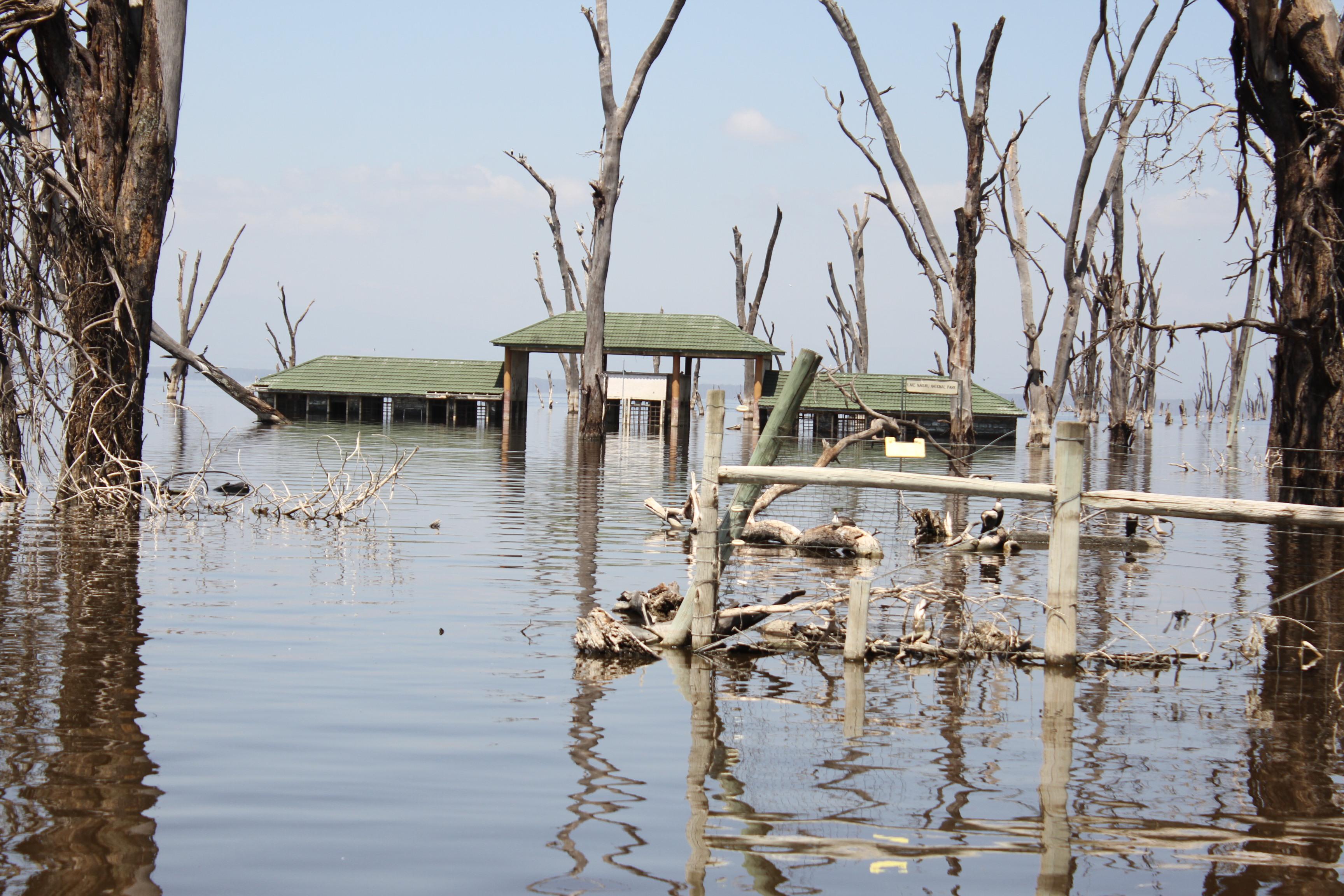
According to information presented during the visit, rising waters have reportedly submerged between 30 and 40 square kilometres of the park, covered more than 24 kilometres of roads and submerged approximately 2,000 acres of park fencing.
More than 200 households have also reportedly been displaced, while KWS staff quarters and wildlife paddocks have been affected.
The rising water levels have forced some animals out of their usual habitats and into neighbouring communities, raising concerns over human-wildlife conflict and the safety of residents.
MPs Seek Support for Women and Displaced Families
Njoro MP Charity Kathambi raised concerns about the reported health effects of water contamination.
Kwale Woman Representative Fatuma Masito and Kilifi Woman Representative Gertrude Mbeyu called for targeted support for women, young people and families displaced by the flooding.
Mbeyu also sought clarification on plans to rebuild schools affected by the rising waters and whether land had been identified for the resettlement of displaced residents.
The legislators said government agencies needed to address the humanitarian consequences of the flooding alongside the environmental damage.
Flooding Raises Concerns Over Endangered Rhinos
The committee also raised concerns about the effects of rising water levels on wildlife habitats, including the sanctuary for endangered rhinos.
According to information provided during the visit, authorities had moved some rhinos to other protected areas to safeguard them from the effects of flooding.
The MPs warned that additional heavy rains could place further pressure on wildlife and surrounding communities, increasing the likelihood of encounters between people and animals.
They called for coordinated measures to protect endangered species while reducing risks to residents living near the park.
Kamuren Calls for Joint Government Action
Committee vice chairperson Charles Kamuren called for an immediate action plan to address problems affecting sewage treatment infrastructure and other critical facilities.
He urged KWS to act swiftly and work with county governments and relevant ministries to develop lasting solutions.
Kamuren also warned against leaving affected residents caught between government institutions as they seek assistance.
“Residents should not be left to bear the burden of disputes over institutional responsibilities,” he said, urging agencies to adopt a joint approach to resolving human-wildlife conflict and addressing community grievances.
The committee said better coordination was necessary to ensure that affected residents received support without unnecessary delays.
KWS Says Sh23 Million Set Aside for Compensation
In response to concerns raised by the committee, KWS said the government had been compensating victims in phases, with Sh23 million set aside for payments during the 2026/2027 financial year.
The Chief Conservator of Forests acknowledged the challenges involved in compensation and said the move towards digital processing was expected to reduce the time victims wait for payments.
However, the MPs stressed that compensation alone would not address the wider effects of the flooding.
They called for action on displacement, damaged infrastructure, disrupted education and reported losses of lives and livestock, alongside measures to restore affected facilities and protect wildlife.
Committee Calls for Lasting Solutions
The legislators urged KWS, county governments and relevant ministries to agree on a coordinated plan to address sewage pollution, protect endangered wildlife and support displaced families.
They warned that further flooding could deepen the environmental and humanitarian challenges facing Lake Nakuru National Park and neighbouring communities.
The committee called for urgent preparedness measures and long-term solutions to reduce the risks posed by rising water levels and ensure that residents and wildlife are better protected.