The Kenya Pipeline Company (KPC) has opened urgent negotiations with the Kenya Petroleum Oil Workers Union (KPOWU) in a bid to resolve labour grievances and avert a threatened strike.
In a statement shared with Turkana Daily News on Friday, October 9, the company confirmed receiving a strike notice from the union, led by Secretary General George Okoth, over several unresolved employment issues.
KPC said discussions were ongoing, including engagements facilitated by the Federation of Kenya Employers (FKE), and expressed hope that the dispute would be resolved within the seven-day notice period.
KPC Seeks Resolution Through Negotiations
The company said it was committed to resolving the dispute through established industrial relations mechanisms, maintaining that negotiations remained ongoing.
“Discussions between Management and the Union remain ongoing, including engagements facilitated by third parties such as the Federation of Kenya Employers (FKE),” KPC stated.
The company added that it intended to honour its agreements with employees and comply with labour laws governing its relationship with unionisable staff.
“KPC is committed to respecting and fully implementing the Collective Bargaining Agreement (CBA) and complying with all applicable labour laws governing its relationship with unionisable employees,” the statement said.
Workers Raise Concerns Over Benefits and Welfare
The dispute centres on several issues raised by KPOWU, including collective bargaining agreements, outstanding allowances and the terms governing employees affected by organisational changes.
The union has also challenged some management decisions concerning staff medical arrangements and restructuring initiatives.
These disagreements have widened concerns over employee welfare and the implementation of existing workplace agreements.
KPC urged the union to address the outstanding matters through formal engagement, arguing that public exchanges would not help resolve the dispute.
“The company values its long-standing relationship with the union and believes that the interests of employees, the company and the public are best served through established industrial relations mechanisms and constructive engagement,” KPC stated.
Possible Strike Raises Fuel Transportation Concerns
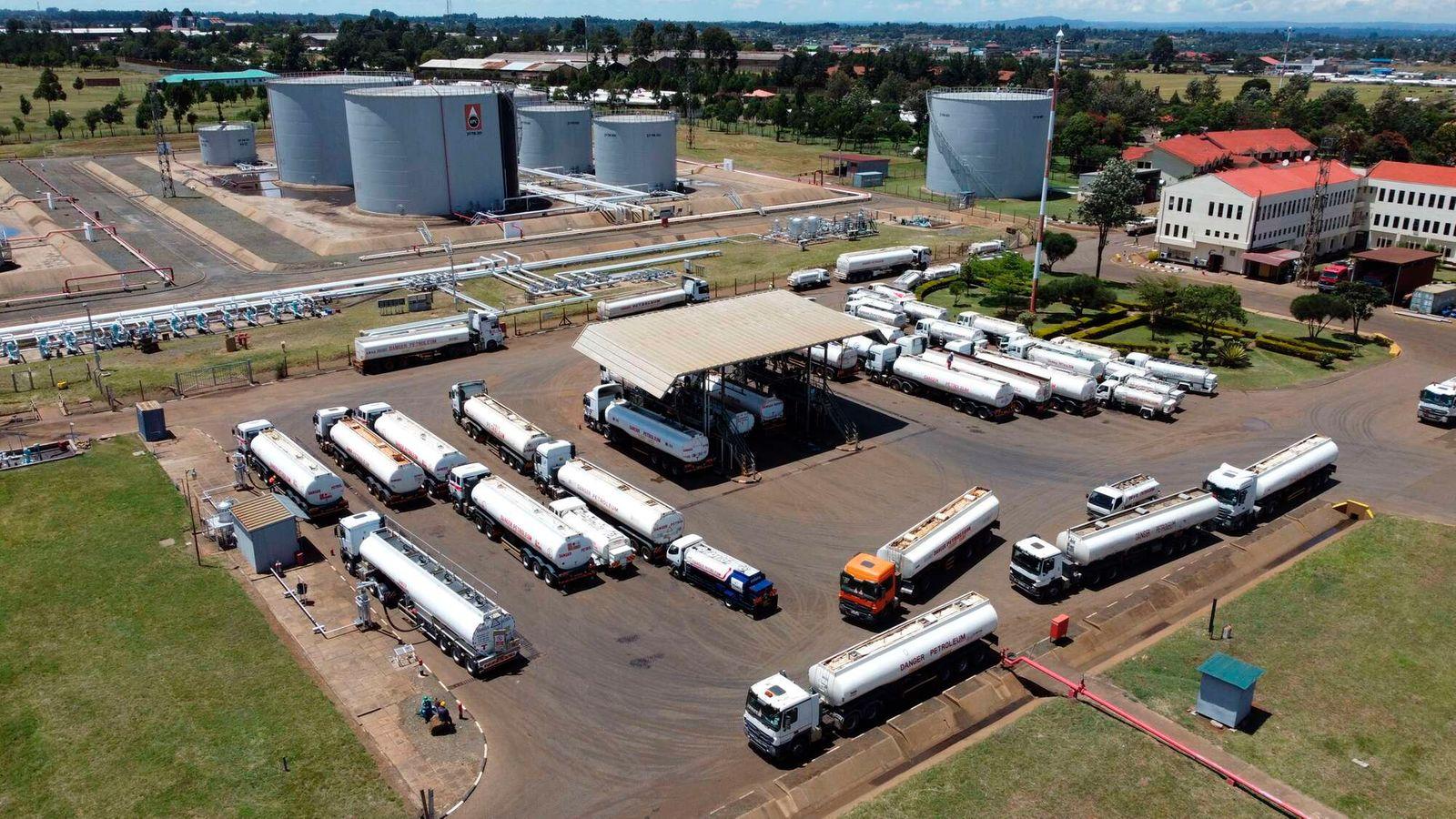
KPC said it would continue prioritising employee welfare and the safe, reliable and uninterrupted transportation of petroleum products in Kenya and the wider region as negotiations continue.
A strike could disrupt the movement of petroleum products to depots and petrol stations if essential transportation operations are affected.
Such disruptions could put pressure on fuel distribution and affect public transport operators, businesses and other sectors that depend on a reliable supply of petroleum products.
However, the reported strike threat does not in itself mean that fuel shortages or supply interruptions have occurred.
Negotiations Could Avert Industrial Action
The seven-day strike notice has placed pressure on both sides to reach an agreement before the deadline expires.
The outcome of the negotiations will determine whether the outstanding labour grievances can be resolved without industrial action.
For now, KPC says discussions are continuing, with the company seeking a settlement that protects workers’ interests while maintaining the reliable transportation of petroleum products across Kenya and the wider region.