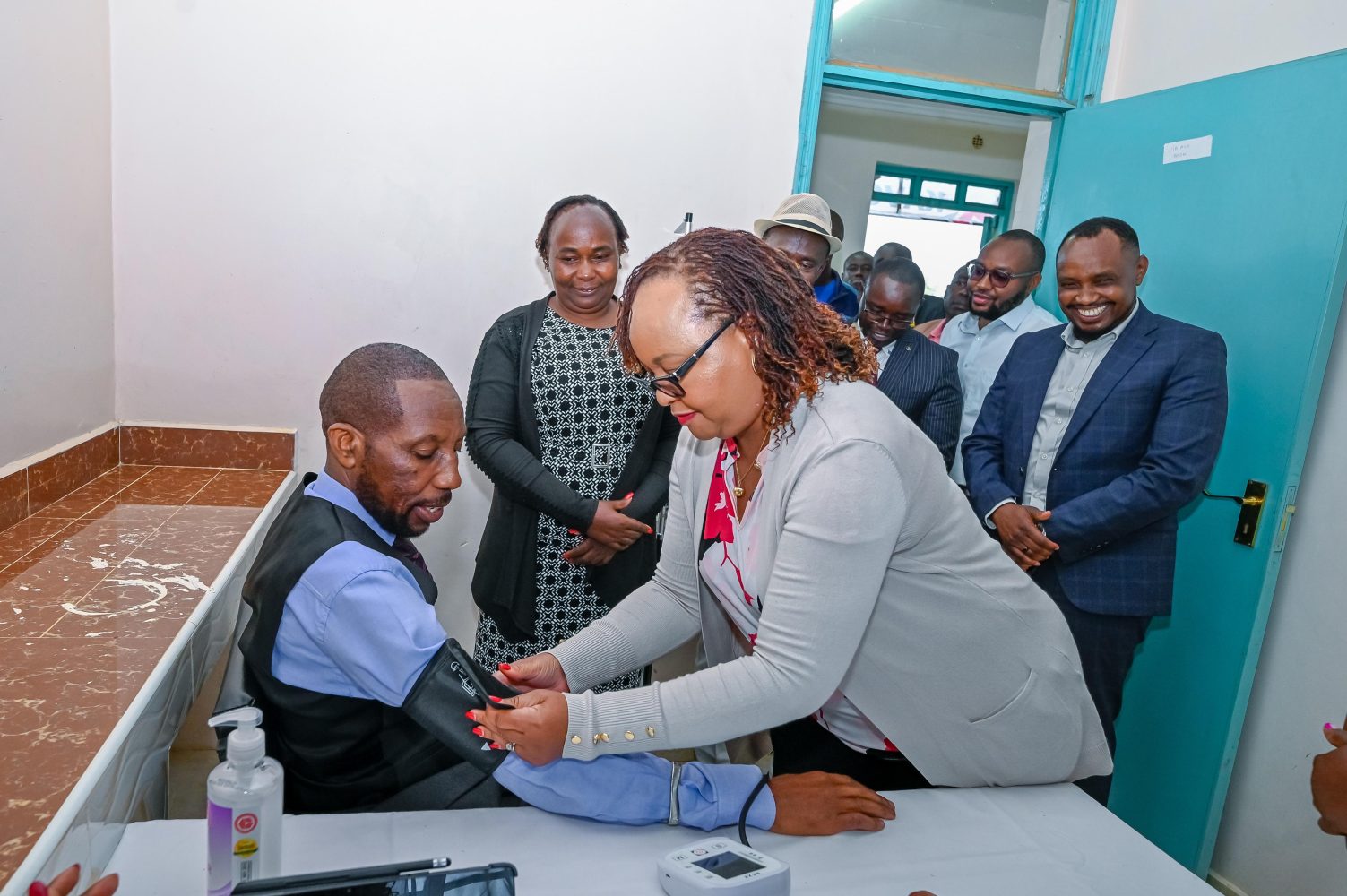
The Kirinyaga County Government has urged residents to embrace regular diabetes screening, healthy eating and physical exercise as part of efforts to prevent and manage the growing burden of non-communicable diseases.
The appeal was made as the county joined the rest of the world in commemorating World Diabetes Day 2026, with health officials raising concern over the number of residents living with diabetes and encouraging those who have not been screened to visit health facilities.
Data from the County Department of Health indicates that 9,460 residents have been diagnosed with diabetes and placed on treatment. Of these, approximately 3,000 also have hypertension.
ALSO READ



The high burden of the diseases in Kirinyaga and the wider Mt. Kenya region has partly been attributed to dietary and lifestyle habits, including the consumption of carbohydrate-rich foods.
Speaking during the commemoration, County Executive Committee Member for Health George Karoki urged residents to pay attention to their diets and maintain regular physical activity.
“Kirinyaga is economically active and among the leading agricultural counties in the country. We produce a lot of rice and maize, which contributes to the widespread consumption of foods such as ugali. Food is not bad, but consuming it in the right quantities is important in managing diabetes,” Karoki said.
He encouraged residents to incorporate adequate physical exercise into their daily routines to reduce the risk of lifestyle-related diseases.
The county's efforts to address diabetes and other non-communicable diseases include expanding preventive healthcare services and bringing screening closer to communities.
During her State of the County address earlier this month, Governor Anne Waiguru said her administration was strengthening community-based healthcare to improve access to health education, early diagnosis and treatment, particularly for conditions such as diabetes and hypertension.
Through the deployment of 1,222 Community Health Promoters (CHPs), the county has expanded household-level health education, disease prevention and basic healthcare services.
Waiguru said the interventions had helped Kirinyaga rank among the country's top five counties in diabetes and hypertension screening and initiation of care.
Karoki said screening, diagnosis and treatment services for non-communicable diseases had been decentralised to health facilities across the county, reducing the need for residents to travel long distances to access care.
He urged residents to take advantage of the free screening services available at county health facilities.
People living with diabetes also used the commemoration to encourage residents to seek early diagnosis and follow medical advice.
Robert Ireri, the County Coordinator of the Kenya Defeat Diabetes Association (KDDA), said he had lived with diabetes for 32 years, noting that the diagnosis did not mean a person could no longer lead a fulfilling life.
“Being diagnosed with diabetes does not mean that you have been handed a death sentence. Through the support of our hospitals and medical personnel at the county, sub-county and community levels, I have been able to manage the condition up to this day,” Ireri said.
He encouraged residents who had not undergone screening to visit health facilities and establish their health status. Those already diagnosed, he added, should seek treatment and learn how to manage the condition.
Another diabetes advocate, Simon Wambu, who has lived with the condition for 17 years, shared his experience of managing the disease despite losing a leg to complications.
Wambu urged residents to take their health seriously by maintaining healthy diets, attending regular medical check-ups, exercising and managing stress.
He also thanked Governor Waiguru's administration and healthcare workers for supporting people living with diabetes, calling for the continuation of the interventions.
The county government says expanding community screening and health education remains central to its efforts to improve early detection and help residents manage diabetes and other non-communicable diseases.