
The Kenyan shilling is facing renewed pressure amid expectations that increased demand for US dollars from oil marketers and importers could weaken the local currency in the coming week.
According to Reuters, currency traders expect the shilling to come under pressure as businesses seek more dollars to pay for imports. Foreign currency inflows from charitable organisations could, however, help limit the decline.
Commercial banks quoted the shilling at between KSh129.75 and KSh129.95 against the US dollar on Thursday, October 15, with the rate unchanged from a week earlier.
ALSO READ

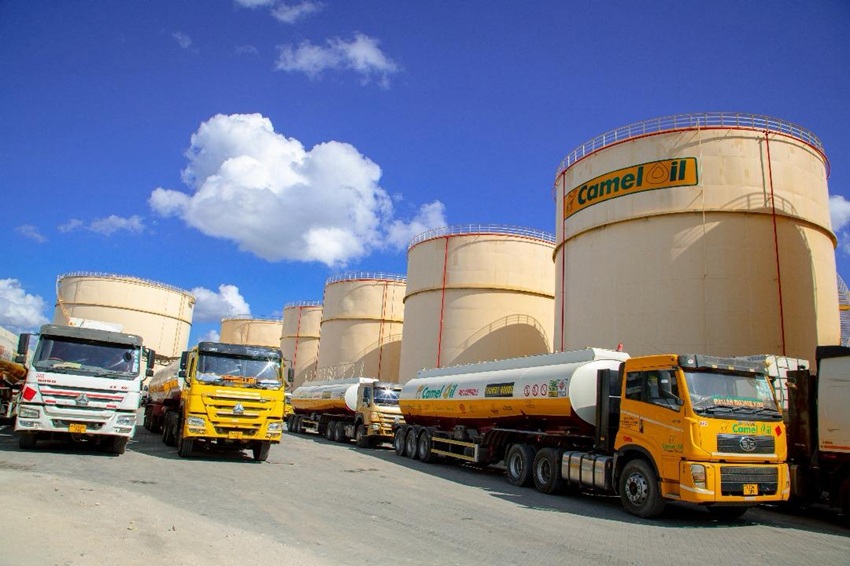

Despite the relative stability, traders warned that rising demand for dollars could put pressure on the exchange rate.
The outlook comes as Kenya grapples with higher petroleum import costs following an increase in international fuel prices.
Oil marketers require US dollars to purchase petroleum products from international markets. When the shilling weakens against the dollar, importers need more local currency to meet the same dollar-denominated payments, potentially increasing their costs.
The concerns follow the latest fuel price review by the Energy and Petroleum Regulatory Authority (EPRA), which raised maximum retail prices for the period running from October 15 to November 14, 2026.
In Nairobi, petrol increased by KSh12.93 per litre, diesel by KSh9.90 and kerosene by KSh28.49.
EPRA attributed the increases to higher costs of imported petroleum products. The average landed cost of imported petrol rose by 11.81 per cent between August and September, while diesel costs increased by 11.32 per cent and kerosene by 9.41 per cent.
“The trade of petroleum products in the international markets is denominated in United States Dollars (USD), and an exchange rate is applied to convert the USD to KShs during the computation of local pump prices,” EPRA stated.
The relationship between the exchange rate and international fuel costs means further shilling weakness could add to the cost pressures facing petroleum importers. However, any impact on future pump prices would depend on several factors, including international prices and subsequent EPRA reviews.
Central Bank of Kenya Governor Kamau Thugge has also highlighted the uncertainty surrounding the inflation outlook as fuel prices rise.
Speaking to Reuters, Thugge said falling food prices could help offset some of the inflationary impact of higher fuel costs.
“Even if there is an increase in the fuel prices, the food prices have actually been trending downward, so one will still need to wait and see what happens to the food prices, and whether the decline in food prices offsets whatever increase there might be on fuel inflation,” Thugge said.
Fuel price increases can affect transport, production and distribution expenses, potentially putting additional pressure on the prices consumers pay for goods and services.
However, the overall effect on inflation will depend on how fuel costs develop and whether lower food prices continue to provide relief to households.
Beyond petroleum products, a weaker shilling could raise the cost of importing machinery, electronics, industrial raw materials and other goods priced in foreign currencies.
Businesses that rely on overseas suppliers may have to spend more shillings to purchase the same quantities of imported products if the exchange rate moves against the local currency.
Whether those additional costs are passed on to consumers would depend on market conditions, competition and businesses’ ability to absorb higher expenses.
For now, currency traders are watching dollar demand from importers alongside foreign currency inflows for signs of how the shilling could perform in the coming week.
The direction of the exchange rate will remain an important factor for businesses managing import bills and for consumers already facing higher fuel prices.