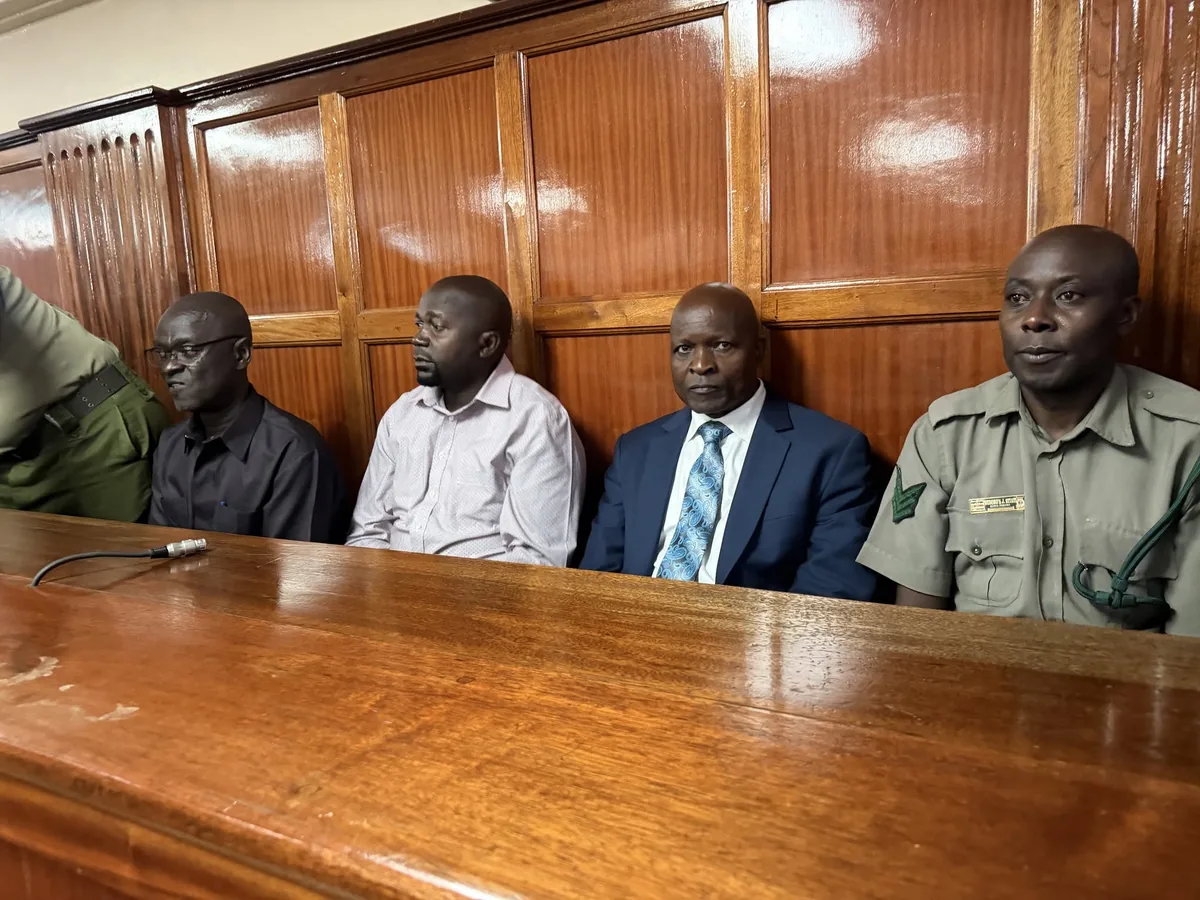
Former Migori Governor Zachariah Okoth Obado has been sentenced to 25 years in prison for the murder of university student Sharon Belyne Otieno, bringing a major development in a case that has drawn national attention since 2018.
Obado's former personal assistant, Michael Oyamo, was also sentenced to 25 years’ imprisonment, while former Migori County clerk Caspal Ojwang’ Obiero received an 18-year jail term.
The sentences were handed down after the three were convicted of Sharon’s murder. She was seven months pregnant when she was killed, and the court established that Obado was the biological father of her unborn child.
ALSO READ
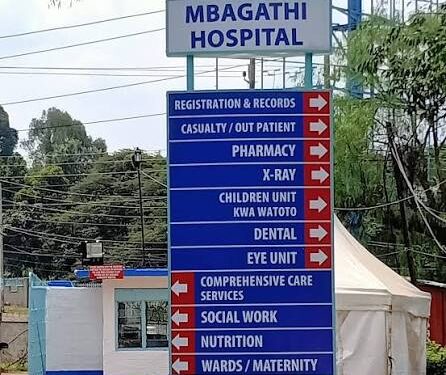
Sharon was murdered between September 3 and 4, 2018, in the Owade area of Rachuonyo Sub-County, Homa Bay County.
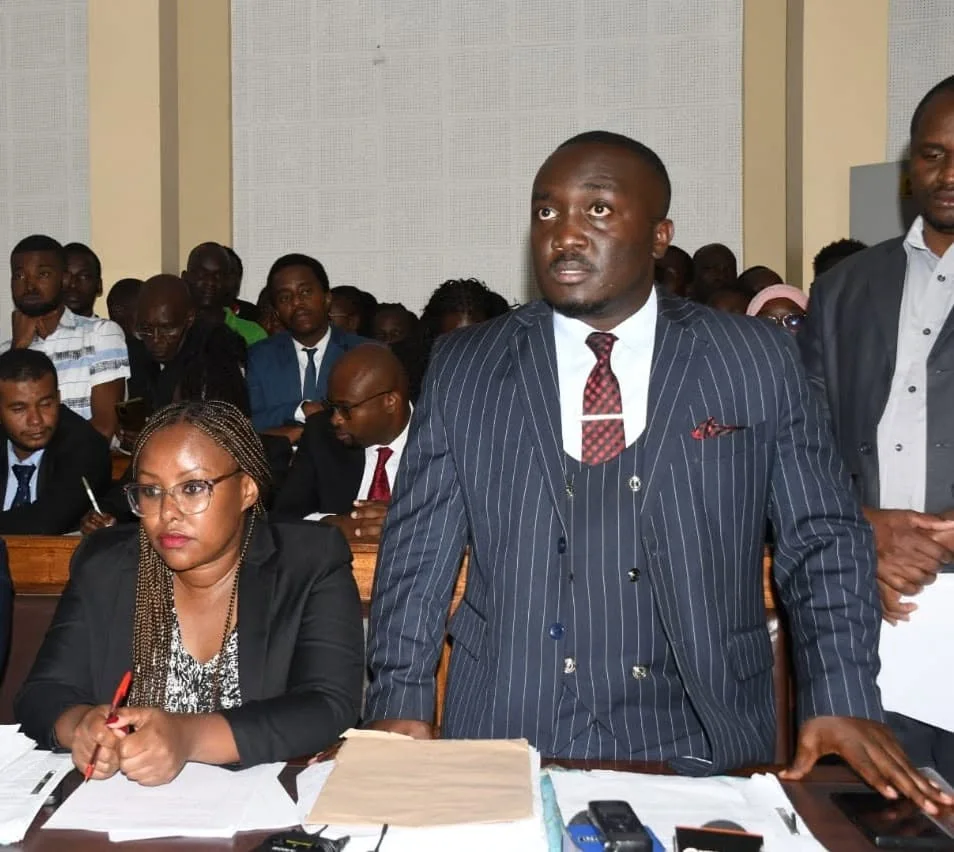
In her judgment, Lady Justice Cecilia Githua found that the three acted jointly with other individuals who were not before the court as part of a common criminal plan.
“Having carefully appraised the evidence on record in its entirety, it is clear to me that the evidence demonstrated that the accused persons acted in concert jointly with others not before the court pursuant to a common design, each performing a distinct role in furtherance of a criminal enterprise that resulted in the death of the deceased,” she ruled.
The court found that Obado provided the motive, instigation and financial resources to facilitate the murder. Oyamo was found to have coordinated its execution, while Obiero provided logistical support and helped conceal the crime.
Justice Githua further ruled that Obado’s absence from Migori at the time of the murder did not absolve him of criminal responsibility, explaining that the doctrine of common intention extended liability to individuals who participated in a joint criminal enterprise.
The prosecution presented 42 witnesses and 81 exhibits in support of its case.
During sentencing, the court considered mitigation submissions from the convicts, probation reports and victim impact statements. It also considered submissions by Sharon’s family, who sought compensation.
However, the court declined to award compensation, citing insufficient evidence to establish the claim.
The three were convicted on July 23, 2026, and remained in custody pending sentencing.