The Energy and Petroleum Regulatory Authority (EPRA) has proposed electricity wheeling charges of up to KSh1.55 per kilowatt-hour (kWh) for businesses seeking to purchase power directly from independent electricity producers.
The proposed charges are contained in a wheeling framework and tariff methodology published by EPRA as Kenya prepares to introduce an open-access electricity market. The framework is intended to allow eligible businesses to purchase electricity from power producers other than Kenya Power while using the existing national transmission and distribution network.
Under the proposal, businesses using the electricity distribution network would pay KSh0.95 per kWh, while those using the transmission network would be charged KSh0.60 per kWh.
ALSO READ



Companies using both networks to transport electricity would pay a combined wheeling charge of KSh1.55 per kWh. The applicable tariff would depend on the infrastructure used to deliver electricity from the producer to the consumer.
The proposed charges are intended to compensate the companies responsible for operating and maintaining the electricity transmission and distribution infrastructure.
Under the proposed arrangement, a business purchasing electricity directly from an independent power producer would not need to construct its own transmission lines or distribution network.
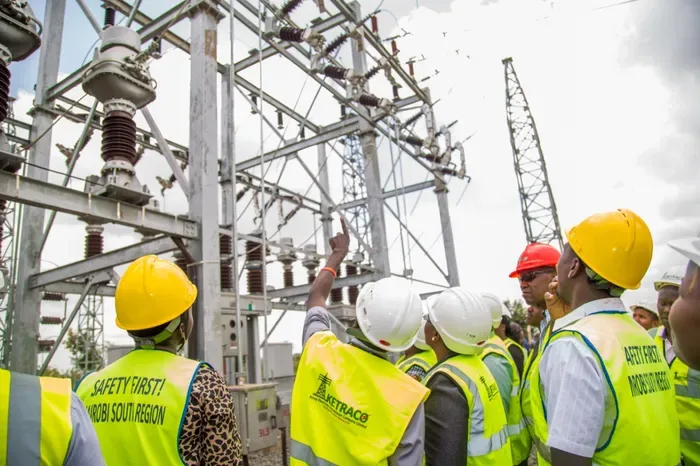
Instead, it would pay to use existing infrastructure operated by the Kenya Electricity Transmission Company (KETRACO) and Kenya Power.
For example, a business transporting 1,000 units of electricity through both networks would pay KSh1,550 in wheeling charges before additional levies are included.
The framework also proposes additional charges, including a Rural Electrification Programme levy equivalent to five per cent of the value of electricity transported through the network and an EPRA levy of KSh0.08 per kWh.
The network service provider or operator would be responsible for collecting and remitting the applicable levies to the respective agencies.
EPRA's proposal also outlines how revenue collected from wheeling charges would be distributed between the two electricity infrastructure operators.
For transmission-only wheeling services, KETRACO would receive 91 per cent of the revenue, while Kenya Power would receive nine per cent.
Where both transmission and distribution networks are used, Kenya Power would receive 57 per cent of the wheeling revenue, while KETRACO would receive 43 per cent.
The framework further proposes a minimum guaranteed network availability of 90 per cent under firm wheeling contracts. Payments would be adjusted where actual network availability falls below the guaranteed level.
The proposed wheeling framework is subject to public consultation, with EPRA scheduled to hold public participation forums from December 7 to 11, 2026.
The regulator is also receiving written submissions from members of the public and other stakeholders as part of the consultation process.
The proposals form part of Kenya's planned transition towards an open-access electricity market, which could give eligible businesses greater flexibility in choosing their electricity suppliers while relying on the country's existing power infrastructure.
The proposed tariffs and related charges should not be treated as final until the regulatory consultation process is completed and the applicable framework is approved.