
The United States has carried out an eighth consecutive night of airstrikes against Iran, further escalating a conflict that is increasingly threatening regional stability and global energy security.
The latest wave of attacks came after Washington announced that two U.S. military personnel were killed in Jordan and another remains missing following an Iranian attack. The incident has intensified tensions between the two countries, whose fragile ceasefire agreement collapsed last week.
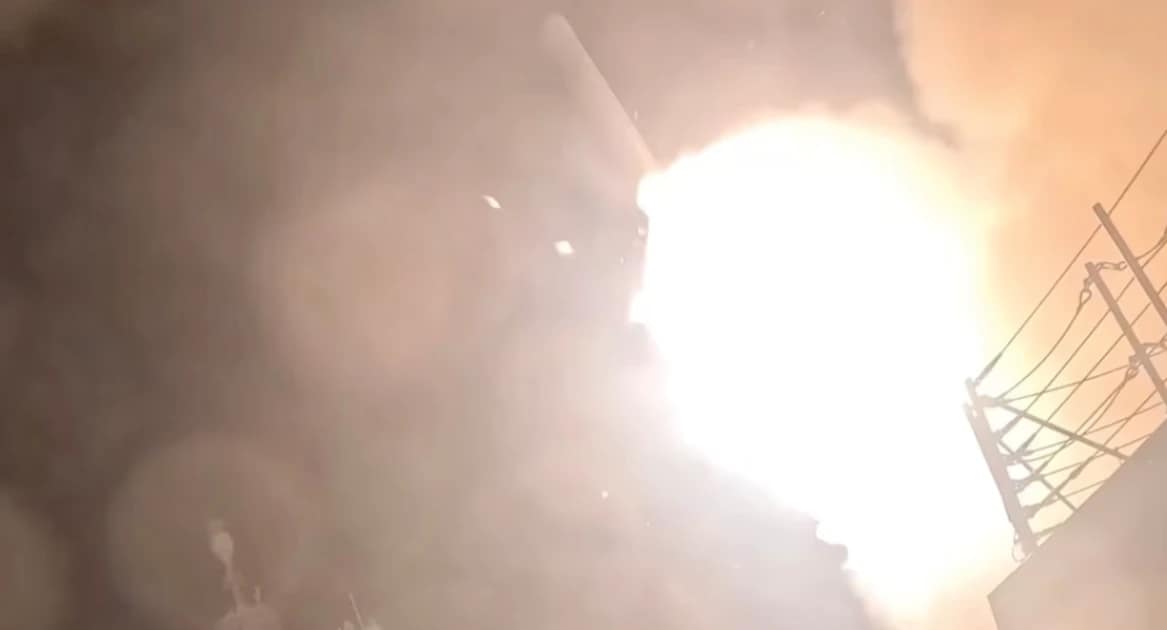
According to U.S. Central Command (CENTCOM), the strikes began at 6 p.m. Eastern Time on Saturday under the direction of President Donald Trump.
“The strikes are designed to further degrade Iran’s ability to threaten commercial shipping in the Strait of Hormuz and swiftly punish Islamic Revolutionary Guard Corps forces who launched attacks against American service members in Jordan last night.”
CENTCOM later confirmed that the operation had concluded, with strikes targeting Iranian military coastal surveillance systems and air defence facilities.
Iranian media reported attacks near Sirik in southern Iran and another location near Shadegan, close to the Iraqi border. Authorities said no casualties or major infrastructure damage had been reported immediately after the strikes.
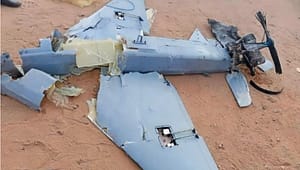
In response, Iran launched drone attacks targeting U.S. military assets in Kuwait, including Al-Adiri Camp and Ali Al Salem Air Base, according to Iranian state television. The attacks form part of a broader campaign by Tehran against U.S. military positions and allies across the Gulf region.
The Pentagon confirmed that the latest casualties raised the number of U.S. service members killed since the conflict began to 16, while more than 420 others have been wounded.
U.S. Defense Secretary Pete Hegseth paid tribute to the fallen personnel, posting on social media: “Their sacrifice only stiffens our resolve.”
The conflict has increasingly spread beyond Iran and the United States, with reports of attacks involving Kuwait, Bahrain, Jordan and Saudi Arabia.
Iran’s Islamic Revolutionary Guard Corps (IRGC) claimed responsibility for strikes on U.S.-linked military facilities in Kuwait and Bahrain, while also alleging it destroyed multiple aircraft during attacks on American positions in Jordan. Independent verification of the claims was not immediately available.
Saudi Arabia also issued emergency alerts in parts of the country after reports of missile threats targeting areas near key military and energy installations. However, Iranian authorities did not officially acknowledge any attack on Saudi territory.
Meanwhile, Iran’s Supreme Leader Ayatollah Mojtaba Khamenei issued a strongly worded statement condemning Washington’s actions.
In a statement carried by Iranian state media, Khamenei said U.S. actions had demonstrated that Trump’s signature was “utterly worthless and devoid of credibility.”
The statement further warned of “even heavier costs and further humiliation” for the United States if hostilities continue.
The conflict, which began after U.S. and Israeli strikes targeting Iran’s nuclear, missile and proxy networks earlier this year, has triggered growing concerns over global oil supplies and international trade.
The Strait of Hormuz remains at the centre of the crisis. The strategic waterway handles nearly 20 per cent of global oil shipments and has become a major flashpoint as both sides seek to assert control over maritime activity in the region.
Iran’s Foreign Ministry accused the United States of attempting to dominate the strait, while Washington maintains that its operations are aimed at safeguarding commercial shipping routes.
According to Iran’s Health Ministry, at least 50 people have been killed and more than 500 injured in U.S. strikes over the past three weeks.
The European Union and Gulf nations have jointly called on Iran to immediately halt attacks affecting maritime navigation and ensure the uninterrupted flow of shipping through the Strait of Hormuz.
As military operations continue and casualties mount on both sides, fears are growing that the conflict could expand into a wider regional war with significant economic and geopolitical consequences.