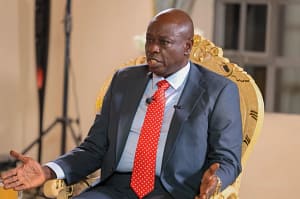
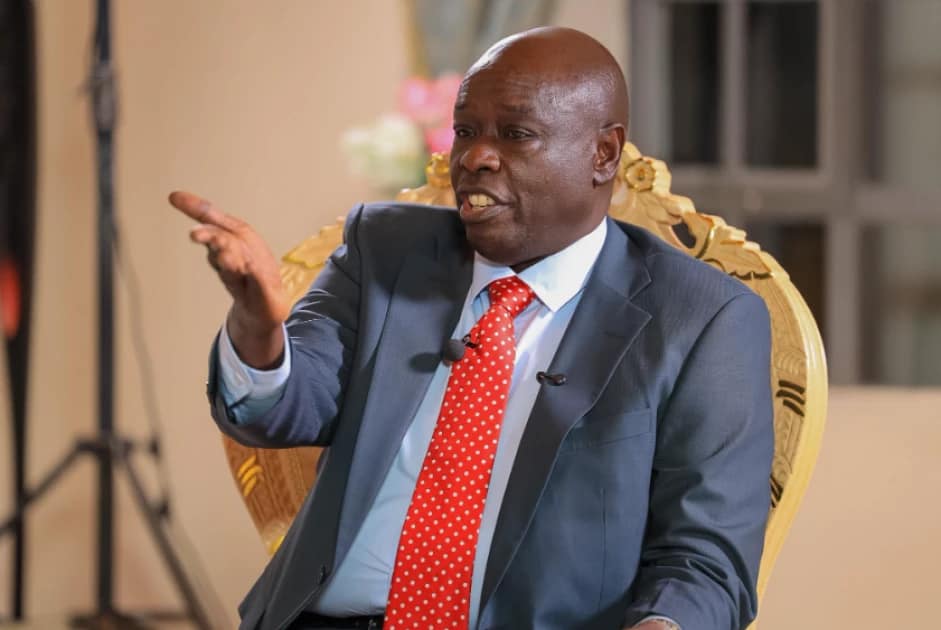

Former Deputy President Rigathi Gachagua has moved to clarify his recent remarks accusing President William Ruto of sidelining parts of the country, insisting his comments were aimed at promoting equitable development rather than targeting any community.
Speaking during an interview on Ramogi TV on Wednesday night, Gachagua said his earlier statements had been taken out of context, stressing that he was advocating for balanced leadership across all regions.
The DCP leader maintained that his criticism was rooted in concerns over unequal distribution of development projects, not ethnic bias.
“I do not regret my remarks because I did not speak wrongly, I said the President was voted for here, and while he goes to Nyanza, he should also come here. Kenya belongs to all of us,” Gachagua said.
He dismissed claims that his comments were directed at the Luo community, noting that political discourse often involves sharp exchanges, especially during competitive periods.
RELATED NEWS:
- Gachagua Reveals Why He Skipped Raila Odinga’s Funeral
- Gachagua Vows to Continue Criticising Ruto, Cites Corruption Concerns
“These are political statements that come with competition. You must promote your side and challenge your opponent, but I have never made remarks to undermine the Luo community,” he added.
Gachagua reiterated that his position was based on the need for inclusive governance, urging the President to ensure no region feels neglected.
“The President should visit everywhere. He cannot abandon the people who voted for him or spend all his time in one region. He must serve all Kenyans equally,” he said.
He explained that his reference to the Nyanza region was situational, particularly during the Christmas period, and not a broader criticism of the area.
The former DP had earlier accused Ruto of prioritising development in certain regions as part of political realignments ahead of the next general election.
In previous remarks, Gachagua claimed the Kalenjin community- despite being a key voting bloc- had been sidelined in government development plans.
He also sought to calm concerns that his political camp would neglect the community if it wins power in 2027, insisting his agenda is grounded in fairness and equal representation.