
A new audit report has revealed that Kenya’s presidency spent hundreds of millions of shillings on fuel within six months, raising fresh questions about government spending despite earlier austerity pledges by William Ruto.
According to data released by the Office of the Controller of Budget, State House and the offices of the President and Deputy President spent a combined KSh298.58 million on fuel during the first half of the 2025/26 Financial Year.
The report shows that the bulk of the expenditure was incurred by State House Nairobi, which alone spent KSh202.96 million on fuel between July and December 2025.
State House Among Top Government Fuel Spenders
The audit indicates that State House recorded the second-highest fuel expenditure among government institutions during the period.
It was only surpassed by the National Police Service, which spent KSh377.65 million on fuel over the same six-month period.
If the current trend continues, State House could end the financial year with an even higher fuel bill than previous years.
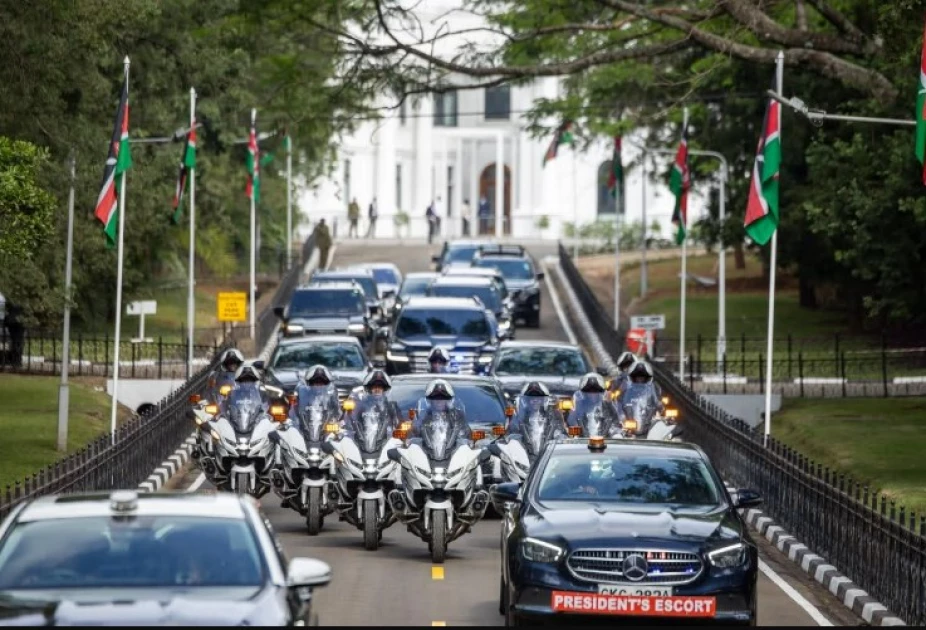
Government officials often travel with large motorcades during official functions such as project launches, development inspections, political engagements, and public events. These movements typically involve dozens of vehicles for security personnel, staff, and logistical support teams.
Presidency Fuel Spending Since 2022
Since President Ruto assumed office in September 2022, State House has spent KSh1.092 billion on fuel, according to government expenditure records.
The figures show a steady rise in fuel spending over the past two financial years:
- 2023/24 Financial Year: KSh407.92 million
- 2024/25 Financial Year: KSh481.39 million
The current financial year could see the figure increase further if spending trends remain unchanged.
The rising expenditure has drawn scrutiny given the Kenya Kwanza administration’s earlier commitment to reduce government spending as part of wider fiscal discipline measures.
Deputy President’s Office Also Among Top Spenders
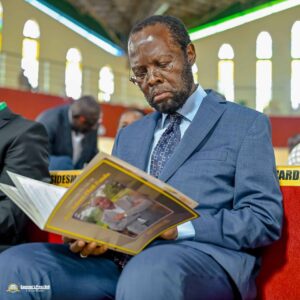
The report further shows that the office of Deputy President Kithure Kindiki spent KSh68.77 million on fuel during the same six-month period.
The office has been actively involved in nationwide activities, including empowerment programmes, development tours, and political mobilisation across the country.
Kindiki has also been campaigning for candidates of the ruling United Democratic Alliance during recent mini-polls.
Observers note that the Deputy President’s frequent travel across the country has contributed to the growing operational costs within the presidency.
President’s Office Records Additional Fuel Costs
The report also indicates that the Office of the President recorded KSh26.85 million in fuel expenditure during the six-month period.
Although the amount is lower than the spending recorded by State House, it contributes to the overall fuel bill incurred by the presidency.
According to the Controller of Budget data, vehicles attached to the presidency consumed approximately 1.7 million litres of fuel, covering an estimated 14 million kilometres during the period under review.
Government Recurrent Spending Also Rising
The audit also highlights broader increases in government recurrent spending.
For the 2025/26 Financial Year, the gross allocation for ministerial recurrent expenditure stands at KSh1.80 trillion, slightly higher than the KSh1.77 trillion allocated in the 2024/25 financial year.
Within the first six months of the current financial year, government expenditure had already reached KSh899.74 billion.
Of this amount, KSh881.50 billion represents about 50 percent of the annual gross recurrent estimates, marking a significant increase compared to the KSh433.89 billion recorded during the same period in the previous financial year.
State House Budget Set to Increase
The revelations come as State House spending is expected to rise further.
Budget projections indicate that the presidency could spend KSh17 billion by the end of the current financial year, nearly double the KSh8.5 billion initially allocated at the start of the year.
In addition, State House has requested KSh20 billion for the next financial year beginning July 1, citing operational expansion as the key reason for the proposed increase.
Part of the anticipated rise in expenditure has been attributed to the addition of four new State lodges, which will require additional staffing, logistics, maintenance, and operational costs.
Questions Over Government Spending Priorities
The latest spending figures are likely to reignite debate about government spending priorities at a time when many Kenyans continue to grapple with economic challenges.
Over the past two years, households have faced higher taxes, increased fuel prices, and a rising cost of living, prompting calls for greater fiscal discipline within government institutions.
Critics argue that the high operational costs within the presidency appear inconsistent with the austerity measures previously promised by the government.
Supporters of the administration, however, say the extensive travel by senior government officials is necessary to coordinate development programmes, oversee projects, and maintain security operations across the country.
Political Activities May Push Costs Higher
Analysts say the figures could increase further as the country gradually enters the political season ahead of the 2027 General Election.
During election cycles, senior political leaders often travel extensively across the country to mobilise support, inspect development projects, and engage with local leaders.
Such activities typically increase the number of government convoys on the road, leading to higher fuel consumption and logistical expenses.
As a result, fuel expenditure within the presidency could rise significantly in the coming months if political activities intensify.
Continued Scrutiny Expected
The Controller of Budget report is expected to trigger continued scrutiny from lawmakers, civil society groups, and the public over how government resources are utilised.
As pressure grows for accountability and prudent spending, the debate over government operational costs is likely to remain a key issue in Kenya’s public finance discussions in the months ahead.