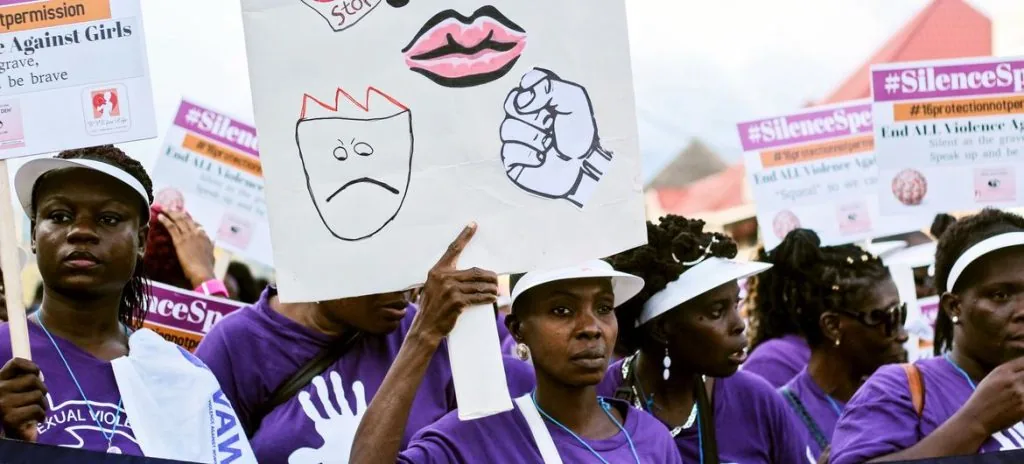
At least 47,000 women and girls were killed by intimate partners or family members worldwide in 2025, equivalent to approximately five deaths every hour, according to new United Nations figures released ahead of the International Day for the Elimination of Violence against Women on November 25.
The findings, published in the 2026 Femicide Brief by the United Nations Office on Drugs and Crime (UNODC) and UN Women, highlight the continued scale of gender-based violence and the challenges women face in accessing justice and protection.
The report found that intimate partners and family members were responsible for 60 per cent of the 78,000 intentional killings of women and girls recorded worldwide last year.
ALSO READ
A separate UN Women report also highlights the widespread nature of violence against women, estimating that nearly one in three women globally have experienced physical or sexual violence during their lifetime.
Despite the scale of the problem, only seven per cent of women who experience violence report it to the police, highlighting significant barriers to seeking justice and protection.
Survivors face barriers to reporting violence
The UN Women report, Access to Justice for Women Survivors of Violence, draws on data from 54 countries and examines the challenges survivors encounter when seeking assistance and navigating justice systems.
It estimates that approximately 840 million women and girls have experienced physical and/or sexual violence during their lifetime.
However, only 23 per cent of survivors seek help from family members, their communities or authorities.
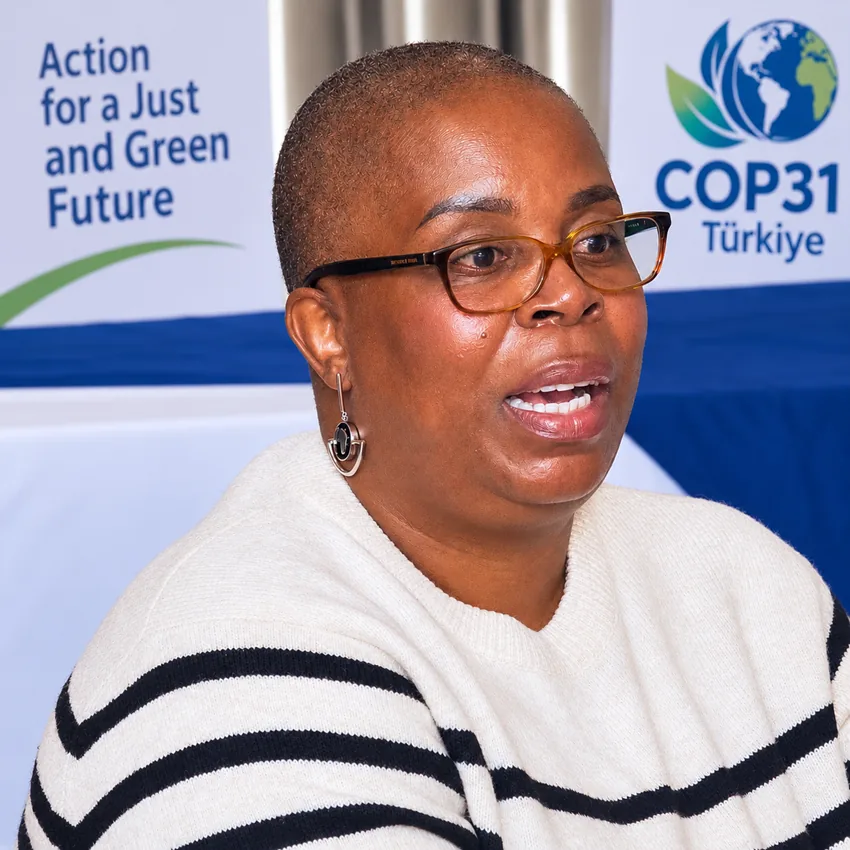
Briefing journalists at UN Headquarters in New York, UN Women Deputy Executive Director Nyaradzayi Gumbonzvanda warned that fewer women were seeking help, suggesting that confidence in protection systems was declining.
“The silence is getting louder in most countries where we have tracked it over time. Fewer women are seeking help today than before. We are going backwards,” she said.
Gumbonzvanda added that justice systems in many countries were failing to provide survivors with the confidence and protection they needed to report abuse.
She urged communities and institutions to believe survivors even when they cannot provide physical evidence or recall every detail of their experiences.
“It costs nothing to believe someone. And it changes everything to believe a survivor, every single time,” she said.
Low conviction rates raise concerns over impunity
According to Kalliopi Mingeirou, Chief of UN Women's Ending Violence Against Women Section, between 63 and 97 per cent of reported cases do not result in a conviction.
She said survivors frequently face repeated questioning, intimidation and other obstacles that prevent cases from progressing through the justice system.
“Cases fall out of the system along the way. Survivors face repeated questioning and intimidation. Perpetrators in positions of power are often never convicted,” she said.
The report also identified fear, stigma, discrimination and inadequate institutional responses as major reasons women and girls do not seek justice.
Funding cuts have further weakened essential services and women's rights organisations that provide support to survivors, particularly those living in underserved communities or facing multiple forms of discrimination.
Africa records highest femicide rate
The UNODC and UN Women findings showed that Africa recorded the highest rate of intimate partner and family-related femicide in 2025, at 2.9 victims per 100,000 female population.
The Americas followed with 1.4 victims per 100,000, Oceania recorded 1.1, Asia 0.6 and Europe 0.5.
The reports also highlighted the growing threat of online violence against women.
UN Women found that 70 per cent of women in public life surveyed, including human rights defenders, activists and journalists, had experienced online violence.
Gumbonzvanda warned that artificial intelligence was making it easier to create deepfake images of women, exposing survivors to further abuse and long-term reputational harm.
UNODC Executive Director Monica Juma said harmful social attitudes and weak institutional safeguards continued to create environments in which violence against women could be tolerated.
UN calls for stronger action ahead of 16 Days of Activism
The findings come ahead of the International Day for the Elimination of Violence against Women on November 25, which marks the beginning of the annual 16 Days of Activism Against Gender-Based Violence campaign.
The campaign runs until December 10, Human Rights Day, under the theme: “UNiTE to End Violence Against Women and Girls: Ensure Justice, Protect Survivors, End Impunity.”
UN Women and UNODC are calling on governments, the private sector, the United Nations, the media, women's organisations and communities to strengthen prevention, protect survivors and ensure perpetrators are held accountable.
The campaign also encourages people around the world to “orange the world” in solidarity with efforts to end violence against women and girls.
Under the call to action, “Speak Out. Believe Survivors. Demand Justice,” individuals and institutions are encouraged to challenge stigma, support survivors and demand accountability.
Gumbonzvanda urged police to receive complaints and investigate cases, courts to treat survivors with dignity, governments to provide essential protection services and technology companies to take action against online abuse.
She also delivered a message to survivors, assuring them that they deserve to be heard, believed and protected.